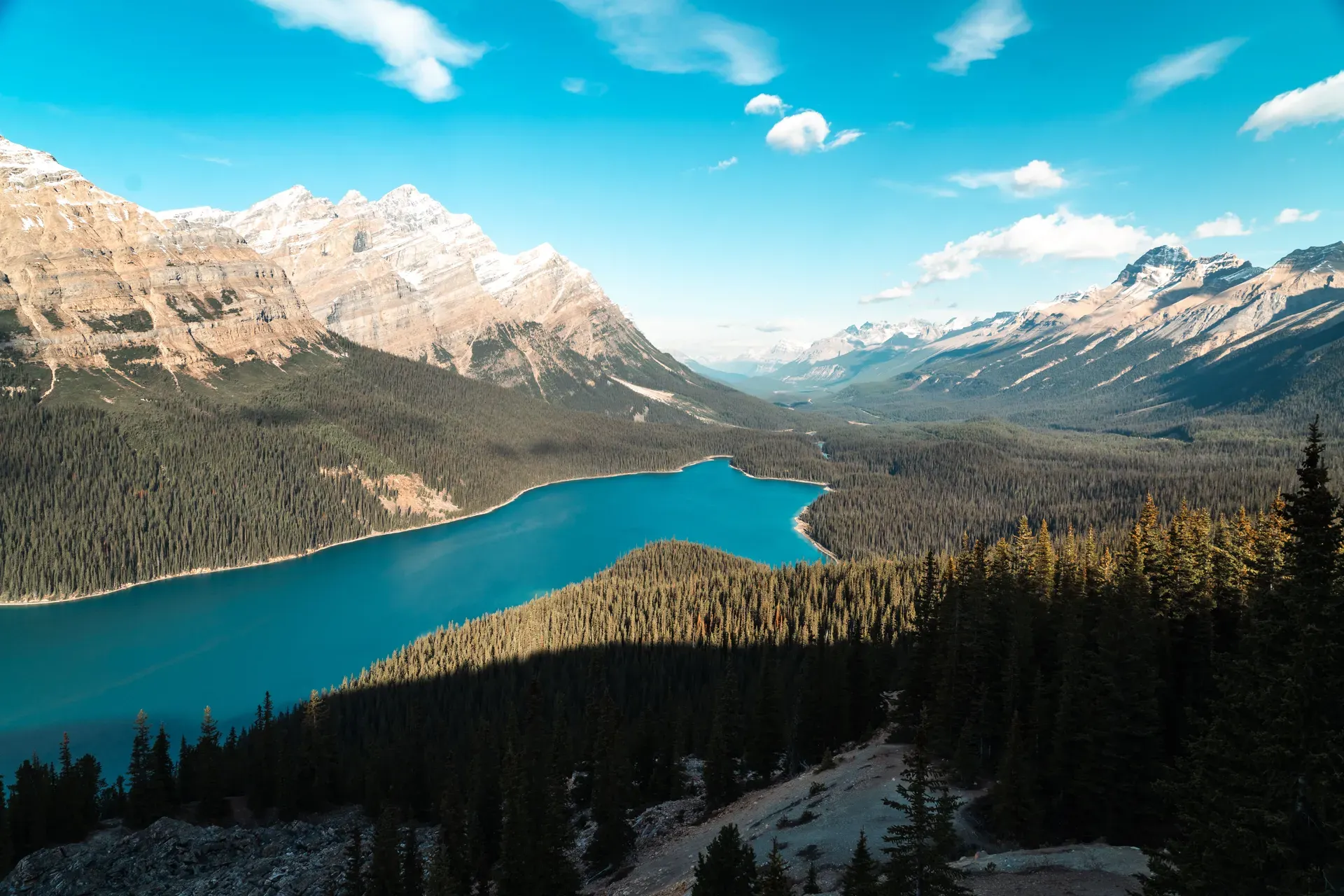
Seven days is the sweet spot for Banff: enough time for Lake Louise, Moraine Lake, and the Icefields Parkway without the sprint pace of a long weekend, and enough slack left over to add Jasper, Yoho, or Kananaskis Country. This guide runs day by day, with two swappable tracks and the shuttle logistics that trip up most first-time planners.
Read it before you book anything. The order you tackle Moraine Lake, Lake Louise, and the Icefields Parkway matters more than most itineraries let on, and a missed shuttle reservation can cost you a full day.
How to Use This 7-Day Banff Itinerary
This plan assumes you're flying into Calgary International Airport and renting a car. Banff's townsite is walkable, but the Icefields Parkway, Moraine Lake, and Jasper aren't. The drive from Calgary to Banff takes about 90 minutes on the Trans-Canada Highway, so most trips start with a Day 1 that's really a half-day.
There are two ways to run this week. Track A stays close: Banff, Lake Louise, and a Yoho or Kananaskis day, no long drives north. Track B adds Jasper, swapping Days 5 and 6 for a push up the Icefields Parkway and a full day around Jasper townsite before looping back. Both tracks share the first four days — the split happens after the parkway drive.
June through September makes this itinerary work as written: Parks Canada shuttles run, Sunshine Meadows and the Mt. Norquay chairlift are open, and the Columbia Icefield's glacier tours and Skywalk operate. Late September trades some crowds for golden larches in the alpine zone. April and November close too many roads to make this plan usable. First-timers, moderate hikers, and families with older kids are the target audience; with fewer than seven days, our 5-day Banff itinerary trims this same structure down.
Before You Go: Passes, Shuttles & Booking Timeline
Every vehicle entering Banff National Park needs a valid pass on the dash. Daily admission is $12.25 CAD for an adult, $10.75 for seniors, and $24.50 for a family or group of up to seven in one car; anyone 17 or under is free. Visiting more than seven days a year across Parks Canada sites? The annual Discovery Pass ($83.50 adult, $167.50 family) pays for itself fast. Check current opening hours and entry fees before you go, since visitor centre hours shift with the season.
Moraine Lake Road is closed to personal vehicles year-round — there's no lot to drive to, full stop. Access is by Parks Canada shuttle from Banff or the Lake Louise Park and Ride, the Roam Transit Lake Connector, or a licensed tour operator. Lake Louise still has a parking lot, but it fills within an hour of sunrise in July and August. Treat it the same way: book a shuttle.
Shuttle reservations open months ahead and sell out within minutes for peak dates, so book the second your travel dates are fixed. Hotels in Banff, Lake Louise, and Canmore should be locked in three to six months out for summer, and so should the Columbia Icefield glacier tour and the Maligne Lake cruise if you're extending to Jasper. A rental car booked late in the season often means a smaller, pricier vehicle — or none at all.
Day 1: Arrive and Explore Banff Townsite
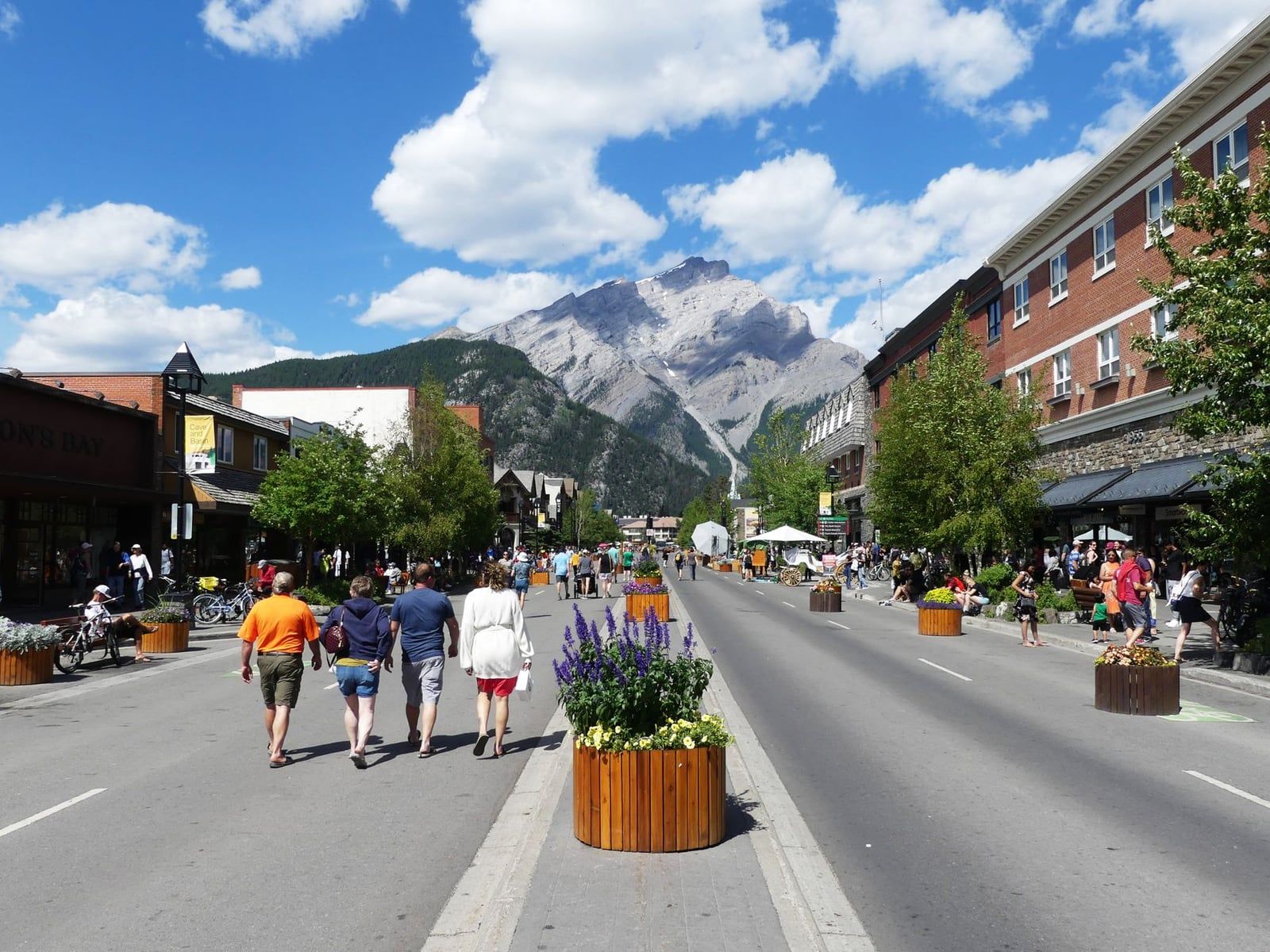
Keep the first day slow. Walk Banff Avenue for an hour, then drop down to the Cascade of Time Gardens behind the Banff Park Museum for a flatter, quieter stroll framed by mountains. From there it's a ten-minute walk to Bow Falls, a modest 9-metre drop over wide limestone ledges with almost no parking on site, so arrive on foot.
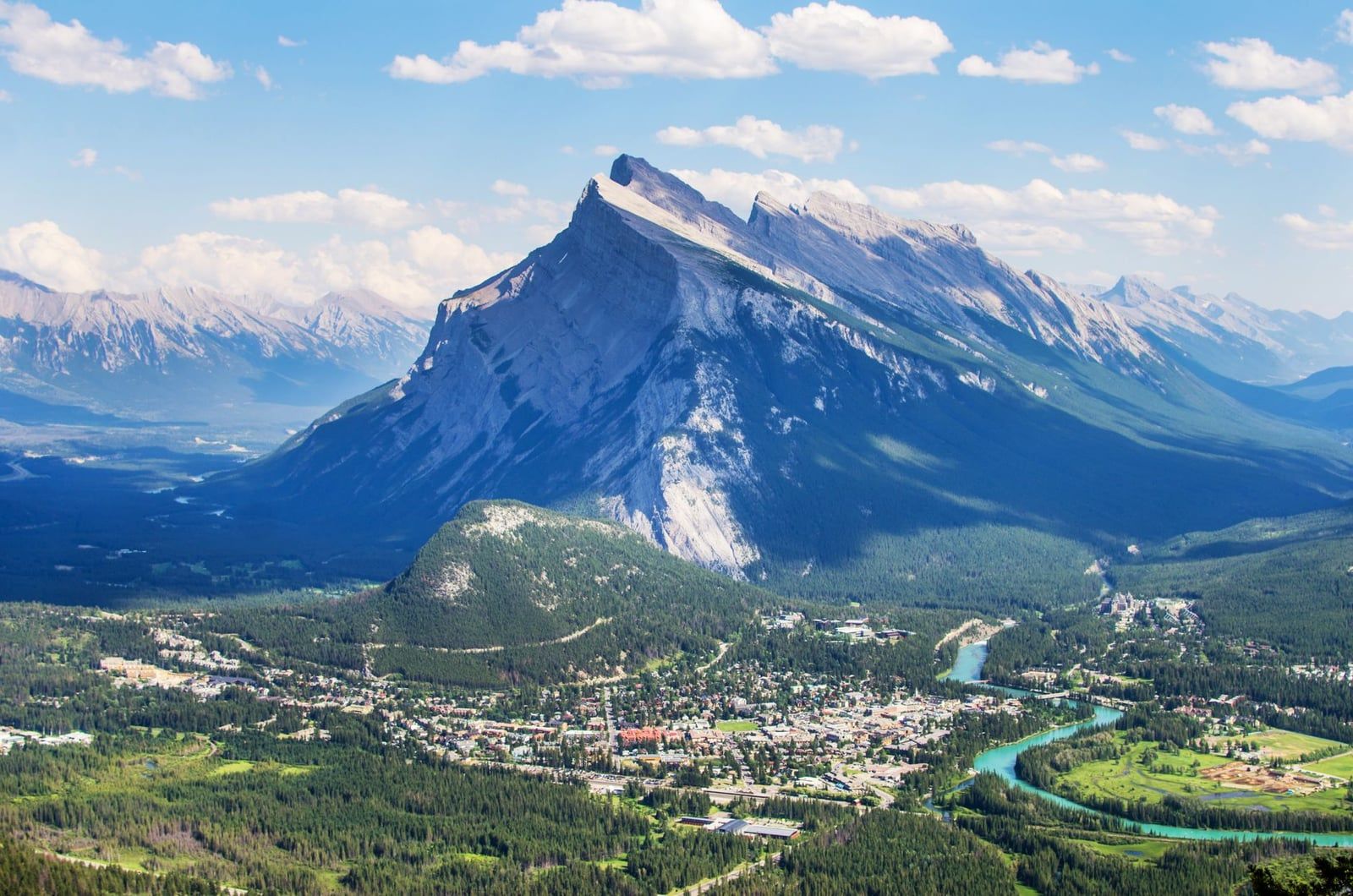
With energy left, drive the Lake Minnewanka loop east of town. The lake is man-made, 21 km long and 142 m deep, built to generate hydroelectric power, and the loop passes Two Jack Lake and Cascade Ponds along the way. Save the last light for Vermilion Lakes or Surprise Corner, both five minutes from downtown, for a view of Mount Rundle turning pink with no hiking required. For more first-day options, see our guide to things to do in Banff.
On lodging: Banff townsite is the easiest base for this exact day, everything reachable on foot. Canmore, 20 minutes southeast, runs a little cheaper if you don't mind a short morning drive. Save Lake Louise for the nights around Day 3, when it actually saves you driving time.
Day 2: Banff Gondola and Local Hikes
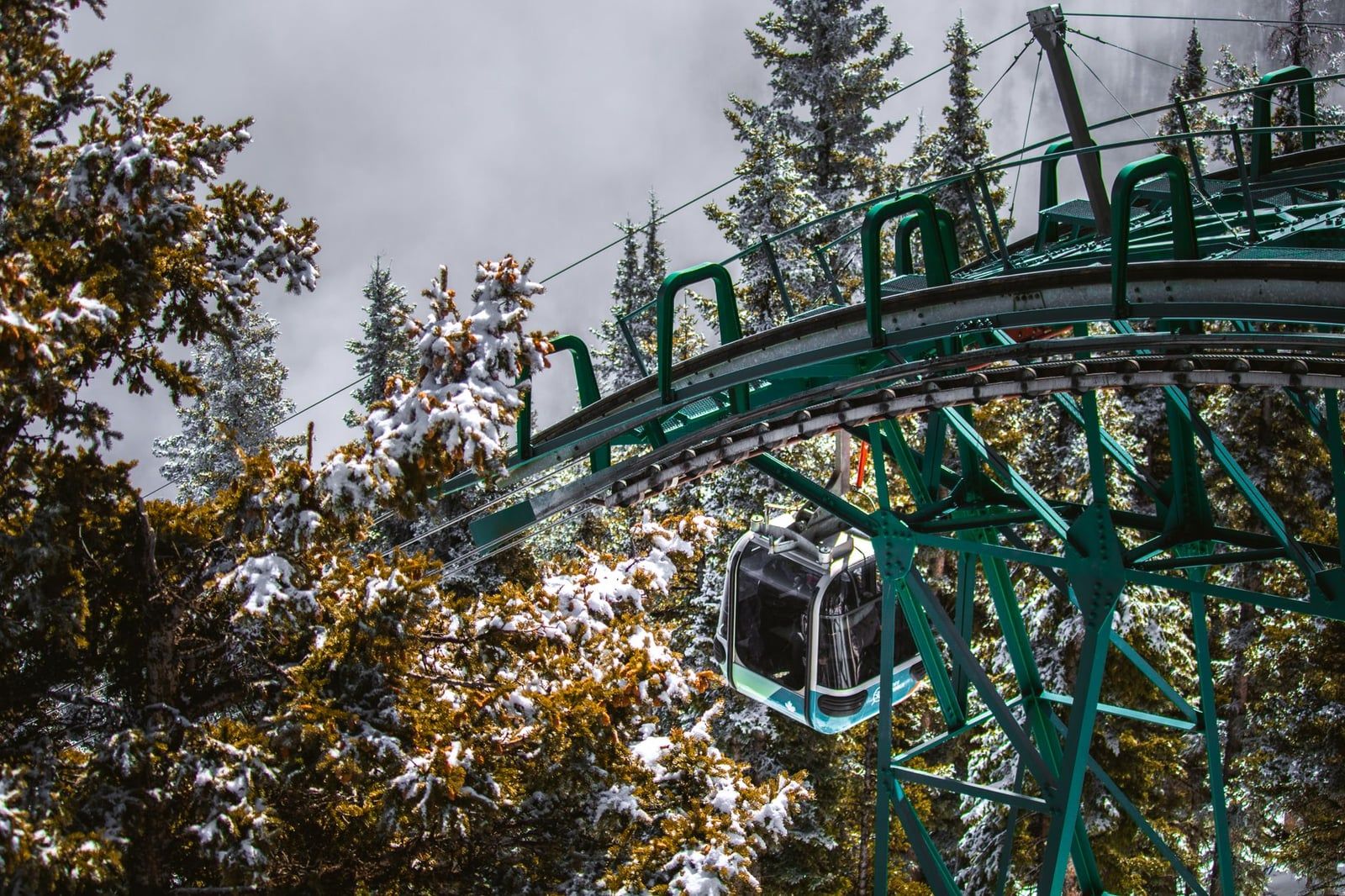
Book the Banff Gondola for an 8 a.m. slot if you can. The cabin climbs 2,292 feet up Sulphur Mountain in about eight minutes, and arriving before 10 a.m. skips the summer rush that backs up the ticket line by mid-morning. At the top, a boardwalk loops past interpretive panels to views over six mountain ranges; Sky Bistro is worth a coffee even if you skip lunch there.
Spend the afternoon on an easy trail instead of a second chairlift. Tunnel Mountain is a 4.3 km round trip climbing steadily through forest to a townsite viewpoint; the Fenland Trail is close to flat, a 2 km wetland loop good for an hour before dinner. The walk from Surprise Corner to the Hoodoos, eroded limestone pillars above the Bow River, is another low-effort option. Our Banff hiking guide breaks down more trails by difficulty and distance.
End the day at the Banff Upper Hot Springs, a mineral pool at the base of Sulphur Mountain open since the springs were discovered in 1883 — warm, low-key, and open into the evening. Prefer the water flat and moving? Rent a canoe and paddle the Bow River instead, or ride the Mt. Norquay chairlift for a second mountain view without the gondola queue.
Day 3: Moraine Lake and Lake Louise
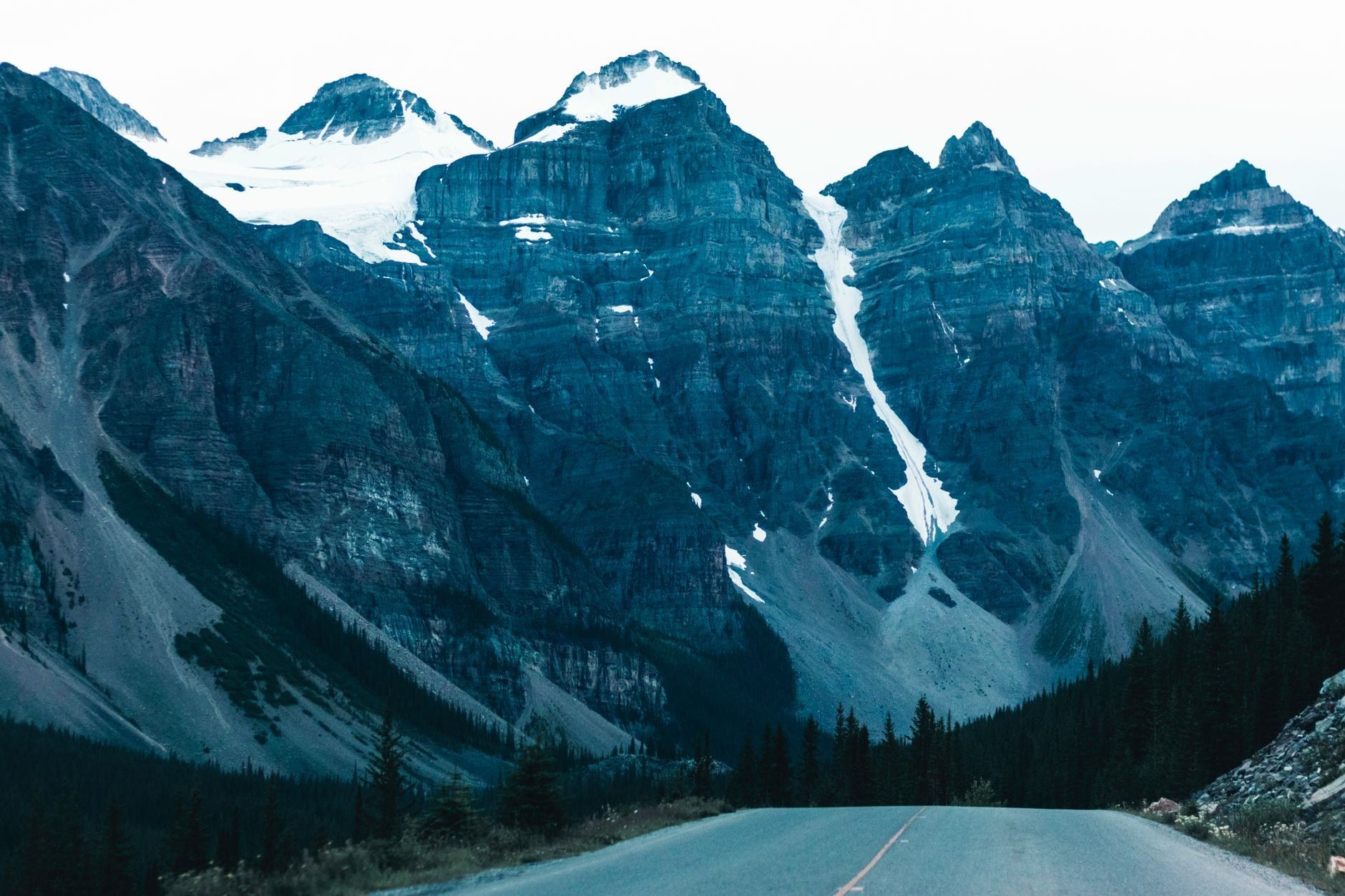
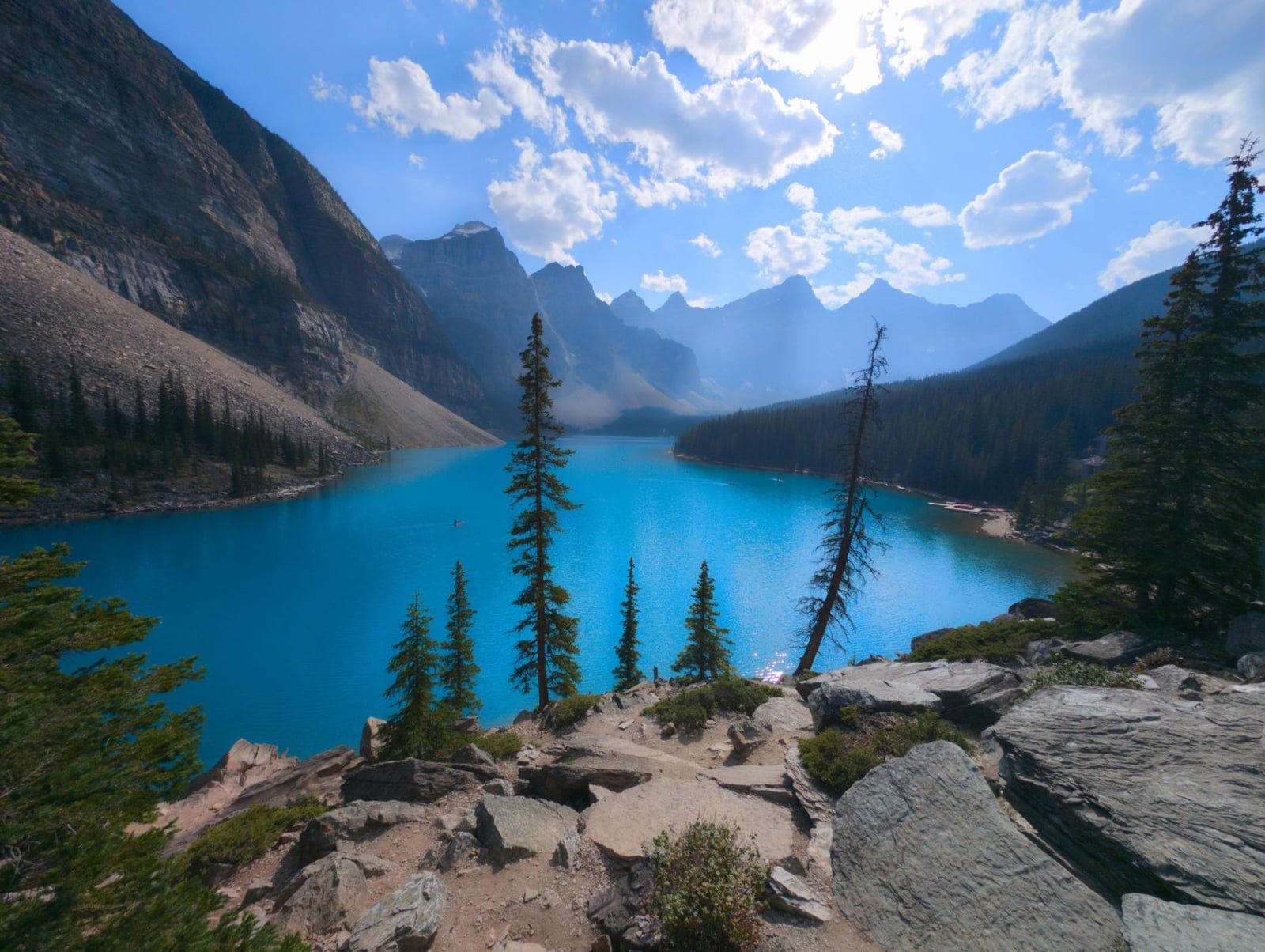
Take the first shuttle of the morning to Moraine Lake. The Rockpile viewpoint, a short, steep climb of stone stairs, delivers the view that used to be printed on the Canadian $20 bill, and it's worth seeing before the boardwalk fills with tour groups by mid-morning. Budget about 90 minutes here if you're not hiking further; add two to three hours for the flat, forested walk out to Consolation Lakes.
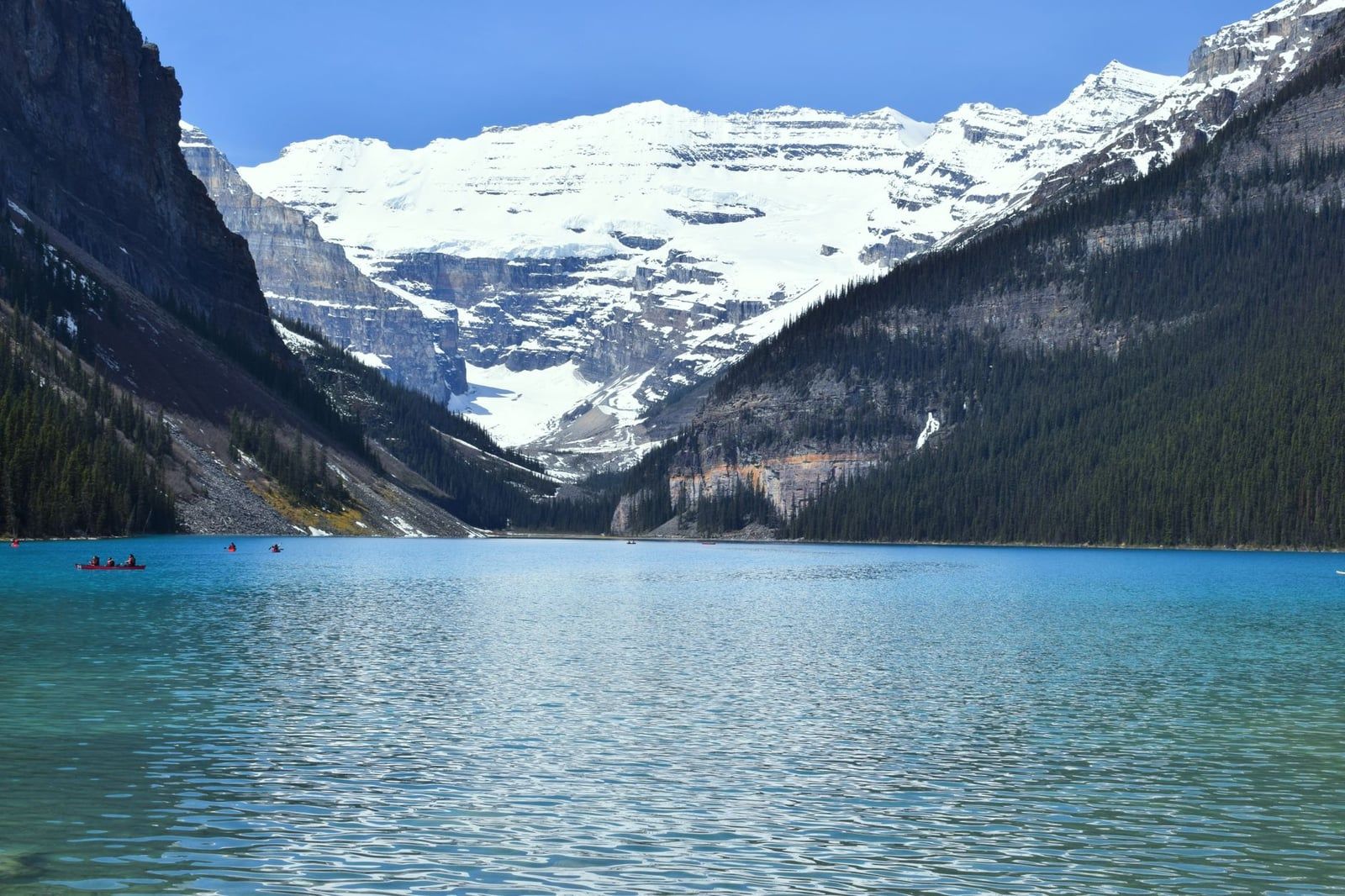
Lake Louise, a short drive or shuttle ride away, deserves half a day at minimum. The lakeshore path is flat and takes 20-30 minutes each way, with Victoria Glacier hanging over the far end of the turquoise water the whole time. Canoe rentals sit right at the boathouse if you'd rather get onto the water than just look at it. Our guide to Banff's lakes compares this one against the rest of the park.
Two historic teahouses turn the lakeshore into a real hike. Lake Agnes Tea House is 4.6 miles round trip with 1,427 feet of elevation gain, a 2-3 hour outing ending in tea and scones on a deck over a hanging lake. Plain of Six Glaciers stretches to 9.1 miles round trip and 1,929 feet of gain, closer to 4.5 hours — both teahouses have run since 1920 and still get supplies by helicopter. Stronger hikers should push on to Larch Valley and Sentinel Pass, especially in late September when the larches turn gold.
Day 4: Drive the Icefields Parkway
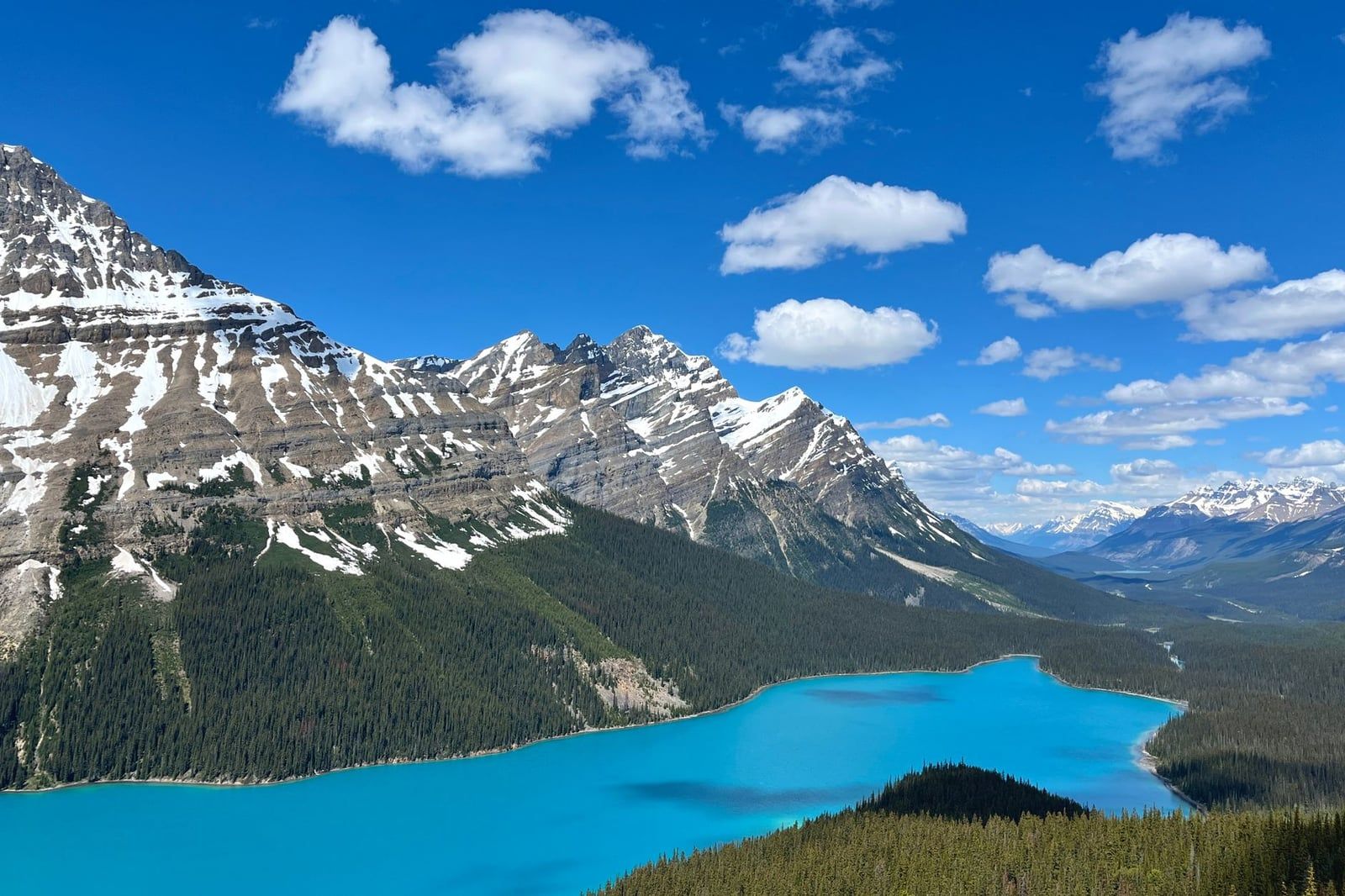
The Icefields Parkway (Highway 93N) runs 232 km from Lake Louise to Jasper, and driving it with stops takes a full day. Leave early: Peyto Lake's fox-head-shaped overlook gets crowded by mid-morning in July and August, so aim to be there before 9 a.m. Bow Lake, right at the parkway's start, and Mistaya Canyon, a slot canyon carved into limestone about an hour north, are both easy five-minute walks from the road.
Waterfowl Lake makes a good lunch stop, Mount Chephren reflected across the water. Athabasca Falls, closer to Jasper, drops 79 feet across a 151-foot-wide gorge and is loud enough to hear before you see it. In between sits the day's main event: the Columbia Icefield. Walk onto the toe of the Athabasca Glacier on a guided ice walk, ride an Ice Explorer vehicle onto the ice, or cross the Glacier Skywalk's glass floor above the valley. The glacier has lost roughly half its volume over the last 125 years and is retreating about 5 metres (16 feet) a year — a guide will point out where the ice sat a decade ago, and it's sobering.
Parker Ridge and Wilcox Pass are both worthwhile if you've got an extra hour and don't mind a steady climb above the treeline. The real decision is whether to turn back toward Lake Louise or push on and sleep in Jasper. Track B in this itinerary overnights in Jasper, turning a rushed day trip into two relaxed ones.
Day 5: Jasper National Park Highlights
Jasper townsite is smaller and quieter than Banff, with the same railway-era feel around its train station and totem pole. Spend the morning there before heading to Maligne Canyon, where a network of footbridges crosses a slot canyon deep enough that sections stay in shadow most of the day.
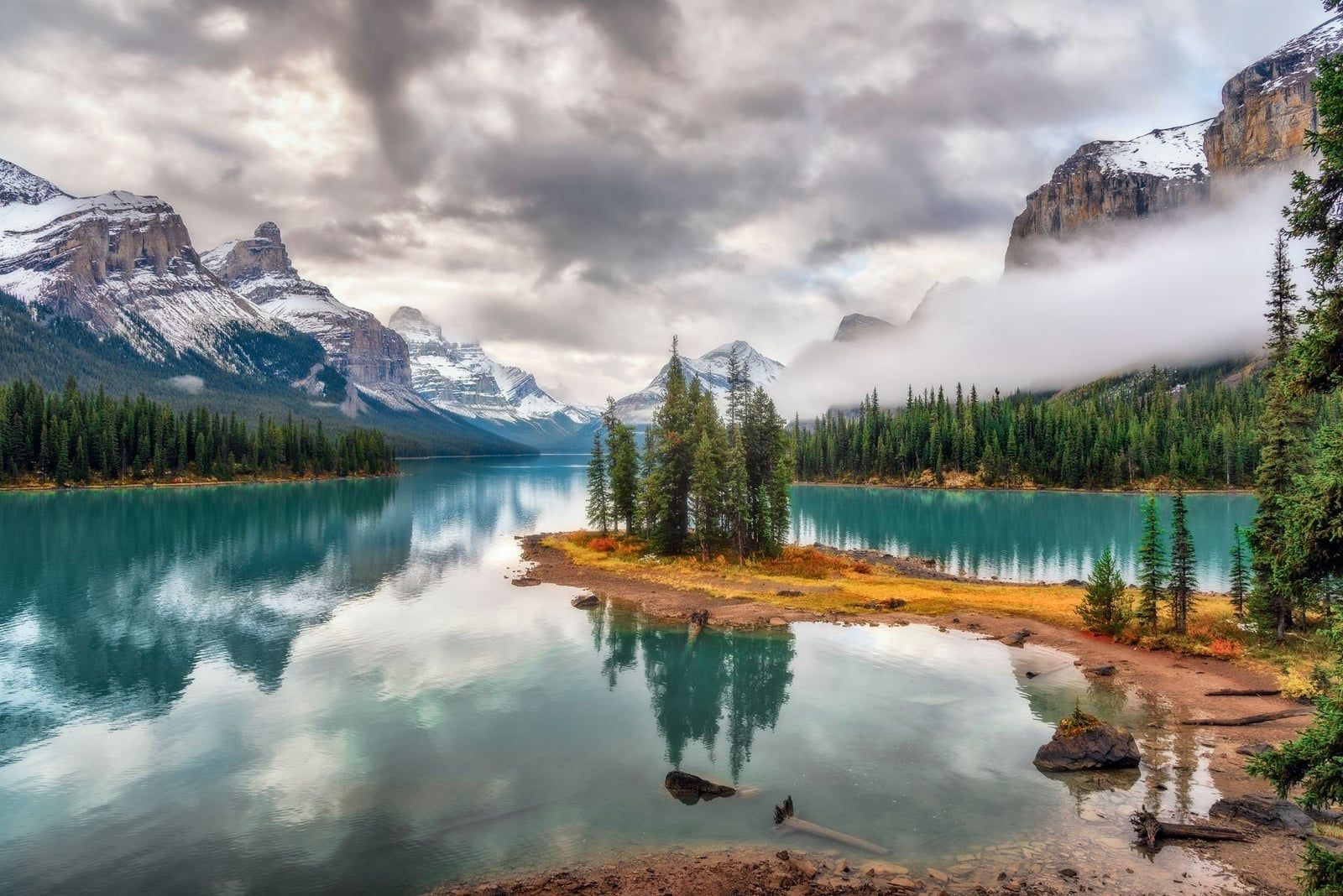
The Maligne Lake cruise to Spirit Island runs about 90 minutes and operates mainly July through August; book it ahead, since it's one of the park's most popular add-ons. Not a boat person? Pyramid Lake is five minutes from town for canoeing or a lakeside walk, and the Valley of Five Lakes hike, an easy, mostly flat loop, fills a half day just as well.
The 2024 wildfire burned parts of the Jasper townsite area and closed some nearby trails and attractions, including stretches of Maligne Canyon, so check current Parks Canada bulletins before building this day around one stop. Whether the drive north is worth it at all comes down to what you'd trade Banff time for — our Jasper versus Banff comparison covers that trade-off in more depth.
Day 6: Choose Your Own Adventure — Yoho, Kananaskis, or a Second Jasper/Banff Day
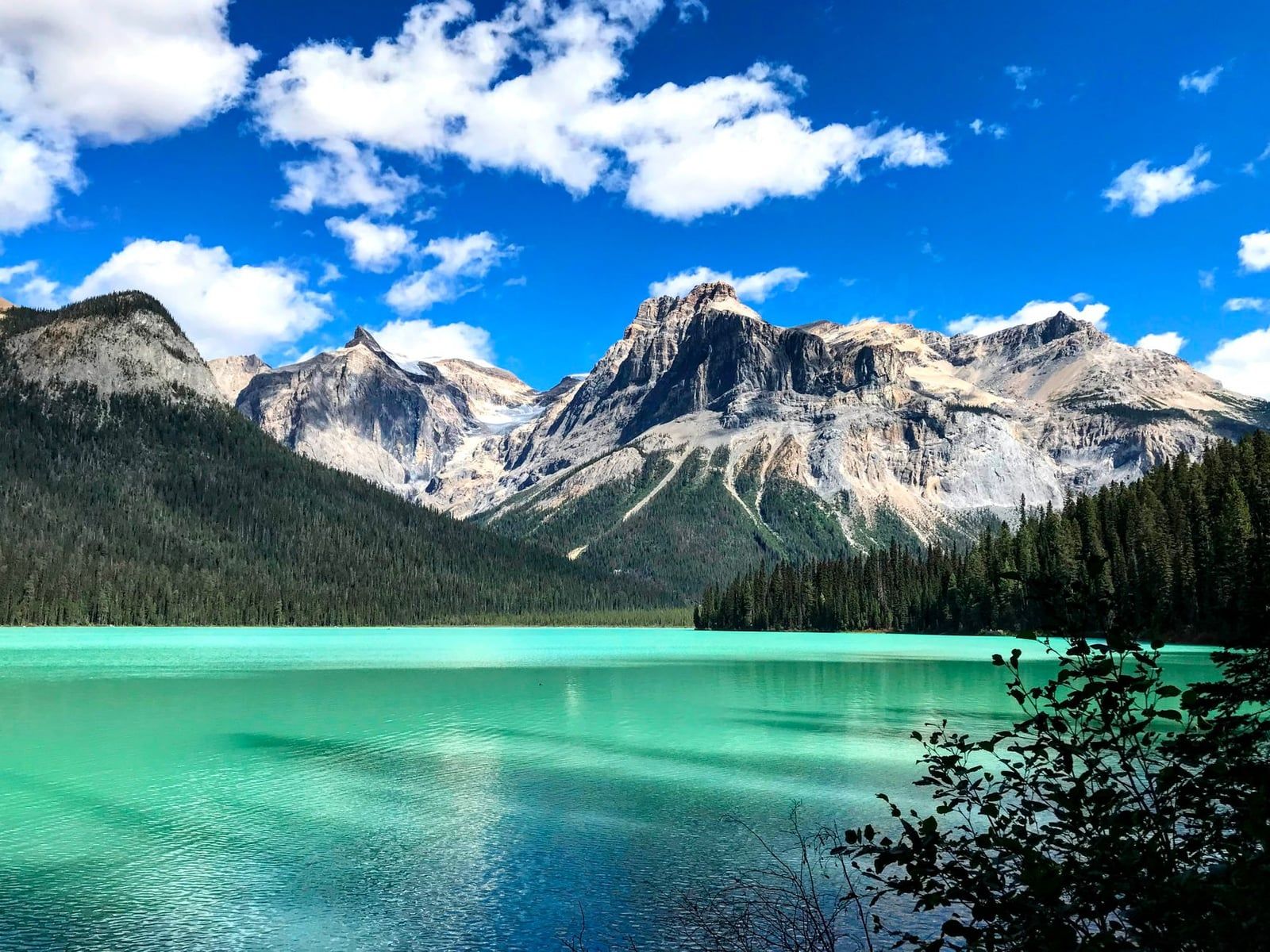
Travelers on Track A get a genuinely open Day 6. Option A is Yoho National Park, 30-45 minutes west of Lake Louise into British Columbia. Emerald Lake is quieter than Louise or Moraine and just as turquoise, ringed by a flat 5.2 km shoreline trail. Takakkaw Falls, a short drive further in, plunges roughly 1,224 feet down a cliff face, one of Canada's tallest waterfalls, and the Natural Bridge nearby is a five-minute stop where the Kicking Horse River has carved straight through solid rock.
Option B is Kananaskis Country, 45-60 minutes from Banff (about 20 minutes less from Canmore), for hikers who'd trade a famous lake for an empty trail. It carries none of Banff's name recognition, so its trailheads see a fraction of the August traffic.
Option C suits families or anyone whose legs need a rest: Sunshine Meadows, reached by shuttle from the Sunshine Village lot, has boardwalked alpine trails gentle enough for kids, or simply repeat whichever Day 1-3 view you liked best at a slower pace. There's no wrong pick here — it depends on whether you want another lake, another trail, or another nap.
Day 7: Final Views and Departure
Keep the last day light. Two Jack Lake, Lake Minnewanka, or Vermilion Lakes all work as a final half-hour stop, none needing more than a short walk from the car.
If your route back to Calgary allows an extra hour, take the Bow Valley Parkway instead of the highway. Morant's Curve, a railway bend photographed since the 1940s, and Johnston Canyon's paved lower section (1.1 km to the Lower Falls) are both worth the detour.
Flying out of Calgary on a US-bound flight, arrive at least 2.5 hours early — the airport runs US customs pre-clearance on site, and that line moves slower than the domestic one. If your flight leaves before 9 a.m., overnight near the airport rather than driving from Banff in the dark; otherwise, a last night in Banff or Canmore beats a forgettable airport hotel.
Where to Stay Each Night: A Base-by-Base Guide
Split the week rather than basing in one town the whole time. Two nights in Lake Louise around Day 3 saves an hour of driving each way to Moraine Lake; spend the rest in Banff or Canmore, and add two nights in Jasper if you're running Track B. Switching hotels mid-week is a hassle, but less of one than an extra two hours of driving a day.
Budget travelers should look at HI hostels in Banff and Lake Louise, the cheapest reliable beds in the park. Mid-range hotels in Banff and Canmore commonly run $200 CAD a night and up in peak summer, and the Fairmont properties (Banff Springs, Chateau Lake Louise) sit at the top for anyone who wants the view from inside the room, not just outside it. Our guide to where to stay in Banff breaks down neighborhoods in more depth.
Camping is the budget alternative if you're comfortable in a tent or RV: Tunnel Mountain, Two Jack, and Lake Louise campgrounds all take reservations through Parks Canada. Book everything, hotel or campsite, three to six months ahead for summer — by May, the good July and August dates are already gone.
Budget, Packing, and Practical Trip Tips
Banff townsite sits at roughly 4,500 feet, high enough that visitors from sea level tire faster on the first day or two of hiking. Drink more water than usual and skip scheduling your hardest hike for Day 1.
Carry bear spray on every hike, on a hip belt where you can reach it in seconds, not buried in a pack. Make noise on trails, especially near running water or berry bushes, and never approach wildlife for a photo, elk included; they get aggressive during the fall rut. Our guide to Banff's wildlife covers what to do if you actually meet a bear on trail. Slow down while driving the Trans-Canada and the parkways too, since collisions with elk and deer spike at dawn and dusk.
Layer for weather that shifts within an hour's drive — a warm, sunny morning in Banff townsite can mean snow flurries at the Columbia Icefield the same afternoon. For US visitors, the Canadian dollar typically runs about 30% cheaper than the US dollar, which softens the sting of peak-season hotel prices.
Frequently asked questions
How many days do you need for Banff National Park?
Three to four days covers the highlights: Lake Louise, Moraine Lake, and the Icefields Parkway. Seven days adds Jasper, Yoho, or Kananaskis, plus rest time between big days.
Is 7 days enough to see Banff and Jasper?
Yes, for the highlights of both, though it packs a lot in. Expect to pick fewer stops per park rather than everything — even two weeks only scratches the surface of this stretch of the Rockies.
Do I need a car for a 7-day Banff itinerary?
Yes. Banff townsite is walkable and served by Roam Transit, but Jasper has no public transit and the Icefields Parkway is only practical by car or organized tour.
How much does it cost to enter Banff National Park?
Daily adult admission is $12.25 CAD, $24.50 for a family or group of up to seven. An annual Discovery Pass is $83.50 CAD for an adult and pays for itself in about seven days of visiting.
Do I need reservations for Moraine Lake and Lake Louise?
Yes. Moraine Lake Road has no public parking at all, and Lake Louise's lot fills within an hour of sunrise in summer. Book the Parks Canada shuttle as early as reservations open.
Should I extend my 7-day Banff trip to Jasper?
It's close to a coin flip. Jasper adds the Columbia Icefield and Maligne Lake but costs a full day's drive each way, leaving less time to explore Banff, Lake Louise, and Yoho in depth.
What is the best time of year to do this itinerary?
June through September, when the shuttles, chairlifts, and glacier tours all operate. Late September trades some crowds for golden larches; April and November close too many roads and trails to make the plan work.
Can you do this itinerary without hiking much?
Yes. Every day pairs a hike with an easier alternative — lakeshore walks, gondolas, scenic drives, and cruises — so the plan flexes for non-hikers and families with young kids.