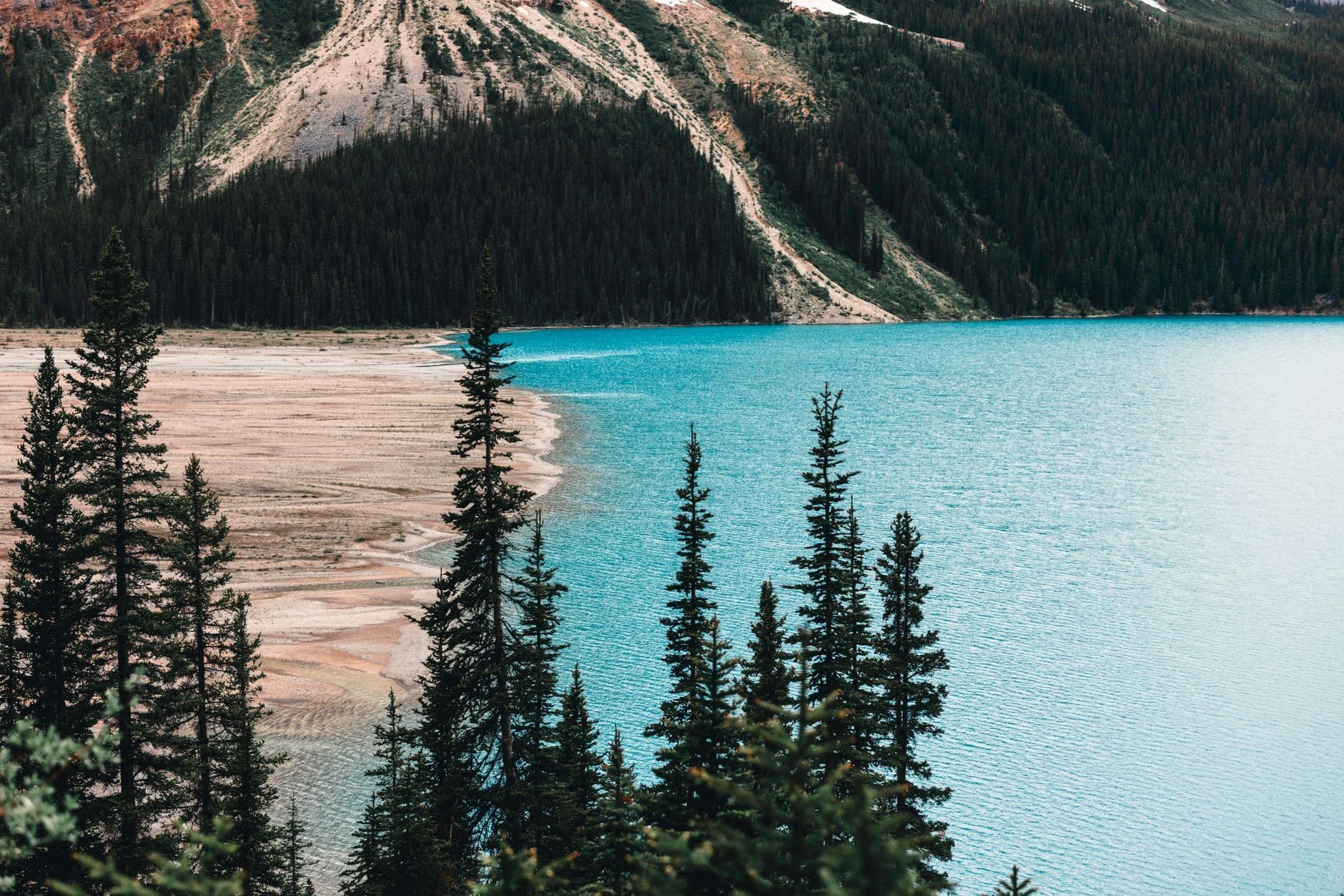
Where you sleep in Banff National Park decides how many hours you spend driving instead of hiking. The park has three real home bases: the townsite of Banff, the town of Canmore just outside the eastern boundary, and Lake Louise village roughly 57 km northwest. Each one puts a different set of trailheads and restaurants at your door, and the wrong pick can cost you a pre-dawn wake-up call just to beat the parking lot at Lake Louise.
This guide walks through each base by who it actually suits, then covers the budget routes, camping, hostels, ski lodges, and Bow Valley Parkway cabins, that most hotel roundups skip entirely. For a broader look at what to do once you've picked a base, see our guide to the best things to do in Banff National Park.
Quick Answer: Best Base by Traveler Type
Match your trip style to a base before you start comparing individual hotels:
- First-timer or 1-2 night trip: Banff townsite, everything within walking distance
- Best value and dining: Canmore, 20-25 minutes from the park gate
- Lake Louise and Moraine Lake at sunrise: Lake Louise village
- Splurge or honeymoon: Fairmont Banff Springs or Fairmont Chateau Lake Louise
- Ski-in, ski-out: Sunshine Mountain Lodge at Sunshine Village
- Budget or backpacking: HI hostels or Parks Canada campgrounds
Road-tripping the Icefields Parkway? Base in Lake Louise, or grab a Bow Valley Parkway cabin roughly midway between the two townsites. And if you're staying 3 nights or more, split the trip: two or three nights in Banff or Canmore, then two or three more near Lake Louise. That one move kills the 45-60 minute round trip for sunrise at Moraine Lake.
Banff's Layout: Drive Times and the Case for Splitting Your Stay
Three towns, three different feels. Banff townsite sits centrally in the Bow Valley; Canmore is just outside the park's eastern boundary; Lake Louise village is about 57 km northwest. Canmore adds only 20-25 minutes of driving to reach most park attractions, which is why so many repeat visitors base there instead of paying townsite prices.
| Route | Distance | Typical drive time |
|---|---|---|
| Banff townsite → Canmore | ~15 km | 20-25 minutes |
| Banff townsite → Lake Louise | ~57 km | 45-60 minutes |
| Lake Louise → Moraine Lake | ~14 km | shuttle only, about 20 minutes |
The real argument for sleeping near Lake Louise isn't scenery, it's math. The Lake Louise Lakeshore parking lot charges $42 a day and fills within an hour of sunrise in peak summer, and Moraine Lake Road allows no personal vehicles at all, shuttle, licensed operator, or lodge guest only, year-round. Stay in Banff, and seeing both lakes means two separate round trips and probably two pre-dawn alarms. Stay near Lake Louise, and you walk to one and catch a short shuttle to the other. Check current park hours and fees before you plan the day.
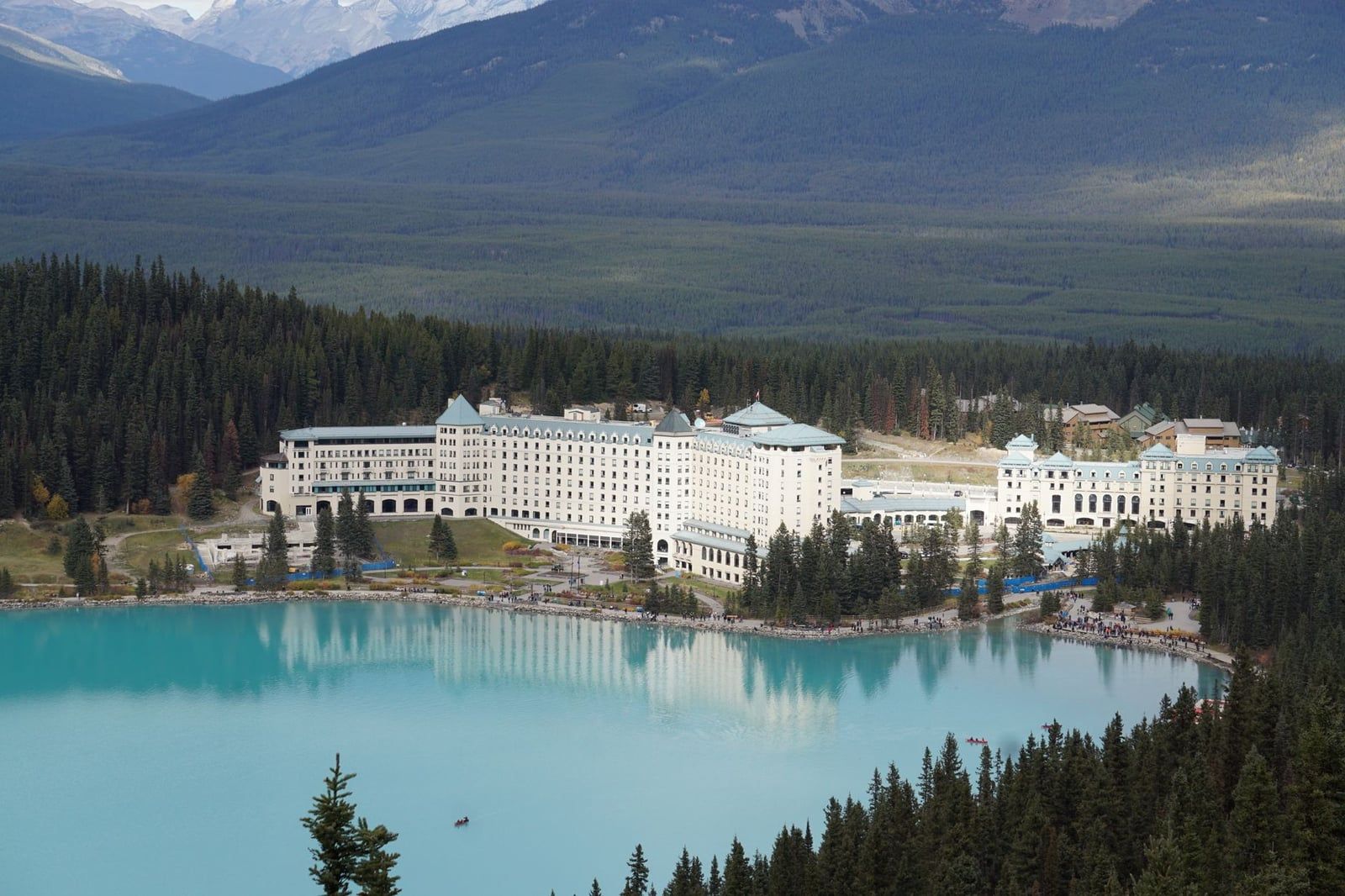
Lake Louise also doubles as the springboard for the Icefields Parkway north toward the Columbia Icefield, and for day trips into Yoho National Park across the British Columbia border. If either is on your list, sleeping here saves a long drive back from Banff.
Banff Townsite: Best for First-Timers, Convenience and Nightlife
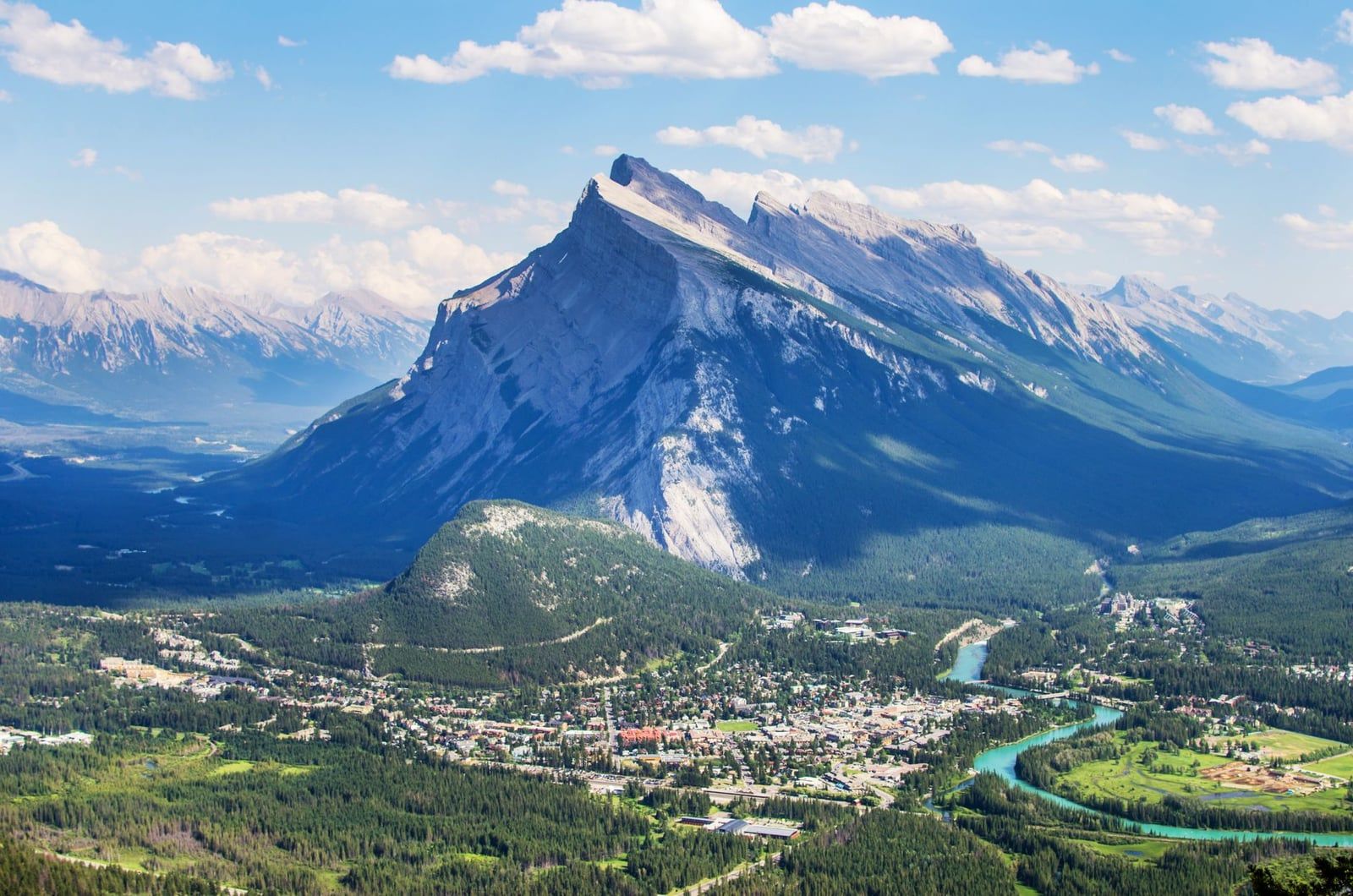
Banff, population 8,865, is the park's commercial hub and the easiest base for a first trip. Banff Avenue is lined with restaurants, gear shops, and bars, and most hotels sit a 10-15 minute walk from the center of it all. The town splits into four practical pockets, and which one you land in changes your trip more than which hotel brand you pick.
Downtown Banff
Downtown is the busiest and most walkable pocket, with the best restaurants and the latest closing times, priced accordingly. Expect a premium for a Banff Avenue address, and expect a parking headache: many downtown hotels charge extra for a space, so confirm before you book. Mid-range picks like the Moose Hotel & Suites, Peaks Hotel, and Hotel Canoe cluster here, all within a few blocks of the Bow River.
Uptown Banff
Uptown is quieter, roughly a 20-minute walk from downtown restaurants, and several properties here include free parking or a shuttle. It suits travelers who want a break from the noise but still want to walk to dinner rather than drive.
Sulphur Mountain
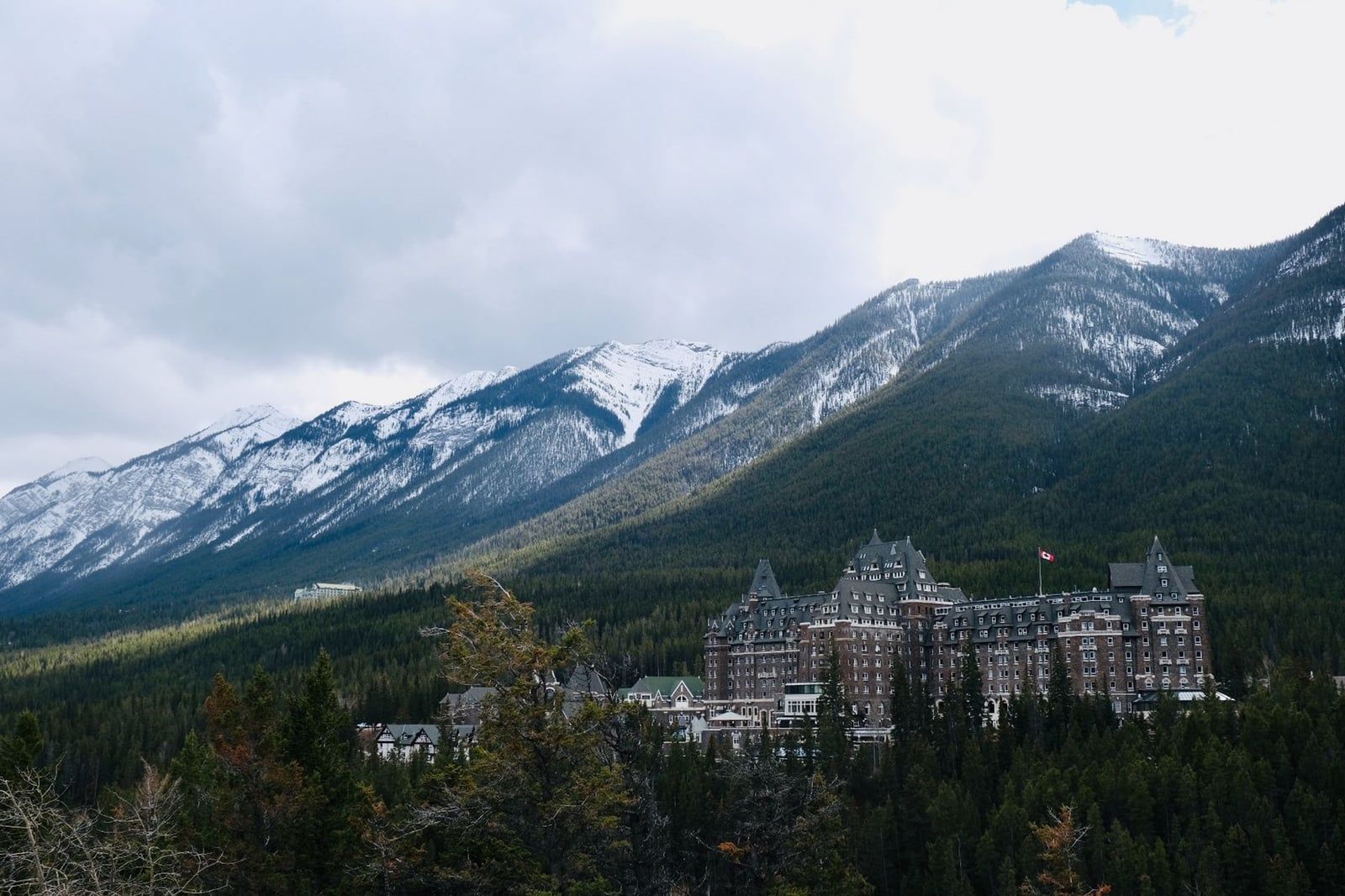
Sulphur Mountain, at the base of the gondola and the historic hot springs, is where Banff's biggest resorts sit. The Fairmont Banff Springs is the standout, a 768-room National Historic Site built in 1888 that still runs like a small village, with the Rimrock Resort Hotel nearby for valley views without the castle-hotel price tag. Dining thins out fast once you leave the resort restaurants, so plan to drive or shuttle down for variety.
Tunnel Mountain
Tunnel Mountain is the forested, budget end of town, home to the HI Banff Alpine Centre hostel and the closest campgrounds to downtown. Lodges here run cheaper than anywhere else in Banff proper, at the cost of a short drive or bus ride into the action. It's also the practical choice if you're camping and still want a hot shower and a grocery run nearby.
Canmore: Best Value Just Outside the Park
Canmore sits just past Banff National Park's eastern boundary, which means 20-25 minutes of driving to most park attractions but noticeably lower rates and newer buildings than the townsite. Hotels, aparthotel-style condos, and B&Bs all run cheaper here for comparable space, and the town's brewery and restaurant scene, built as much for locals as visitors, beats anything on Banff Avenue for range.
Canmore also has its own hiking outside the park boundary, Grassi Lakes and Ha Ling Peak are both short drives from downtown, and operators running hiking tours into the park use Canmore as a pickup point too. The catch is the drive: weekend traffic backs up at the park gate, and a family heading in for a full day at Lake Louise loses time both ways. Groups who want a kitchen and a living room for the price of a Banff hotel room should book here first.
Lake Louise and Moraine Lake: Best for Beating the Crowds to the Iconic Lakes
Lake Louise village has maybe a dozen properties total, prices to match the demand, and one real payoff: you can walk to the lakeshore before the tour buses show up. Inventory is the constraint here, not choice, so this hub sells out first every season.
Lake Louise Village
The Fairmont Chateau Lake Louise is the anchor, a 539-room lakeside resort with the Victoria Glacier framing the view from the terrace. The Post Hotel & Spa and Deer Lodge sit a short walk from the lake at a step down in price, and Paradise Lodge & Bungalows has cabin-style rooms for travelers who want privacy over a lobby. Lake Louise Campground, with 206 sites and a year-round section, is the budget alternative and puts you within walking distance of the lakeshore trail. Book any of these 6 months or more ahead of a summer trip.
Moraine Lake Lodge and the Shuttle-Only Road
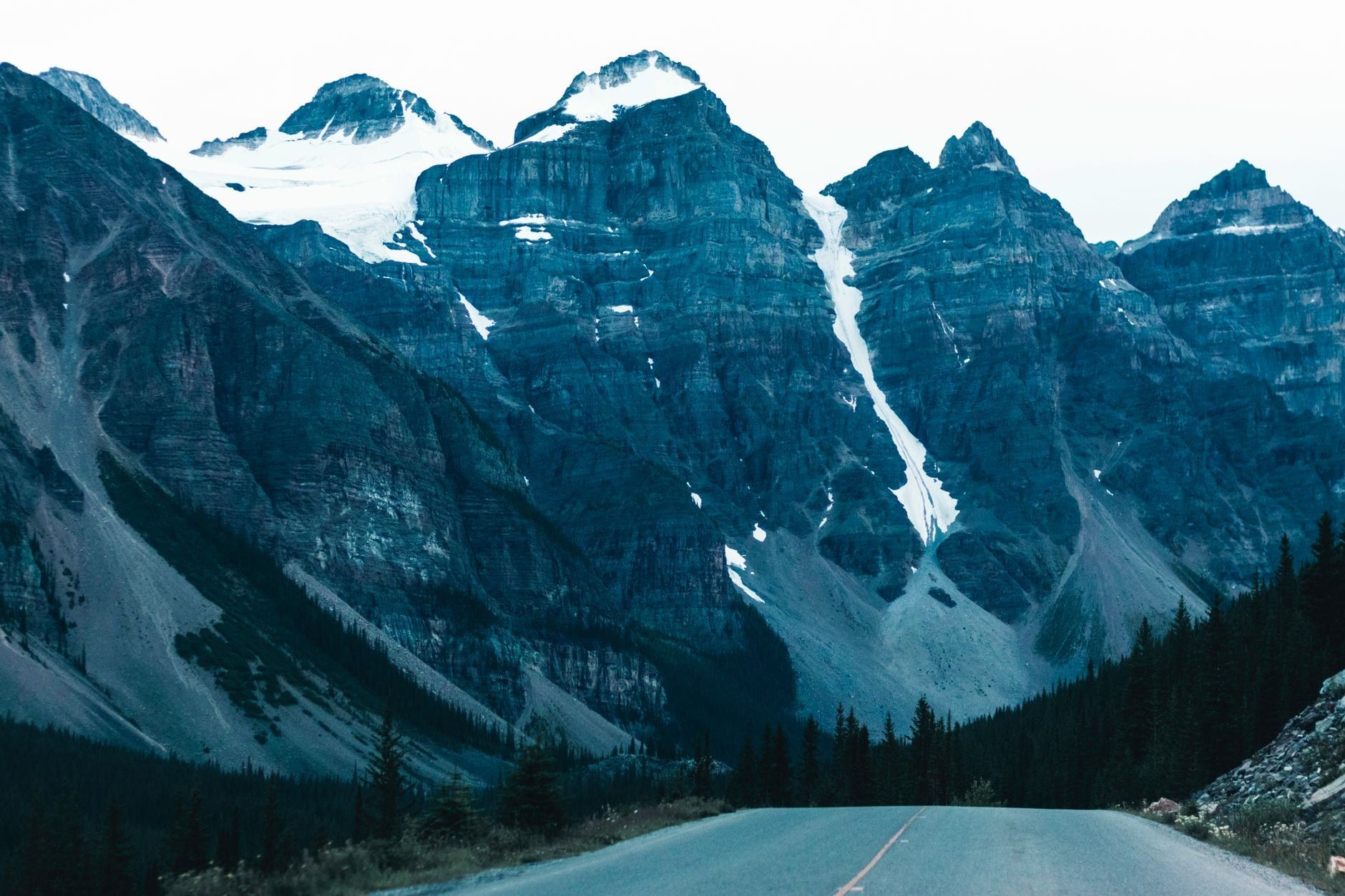
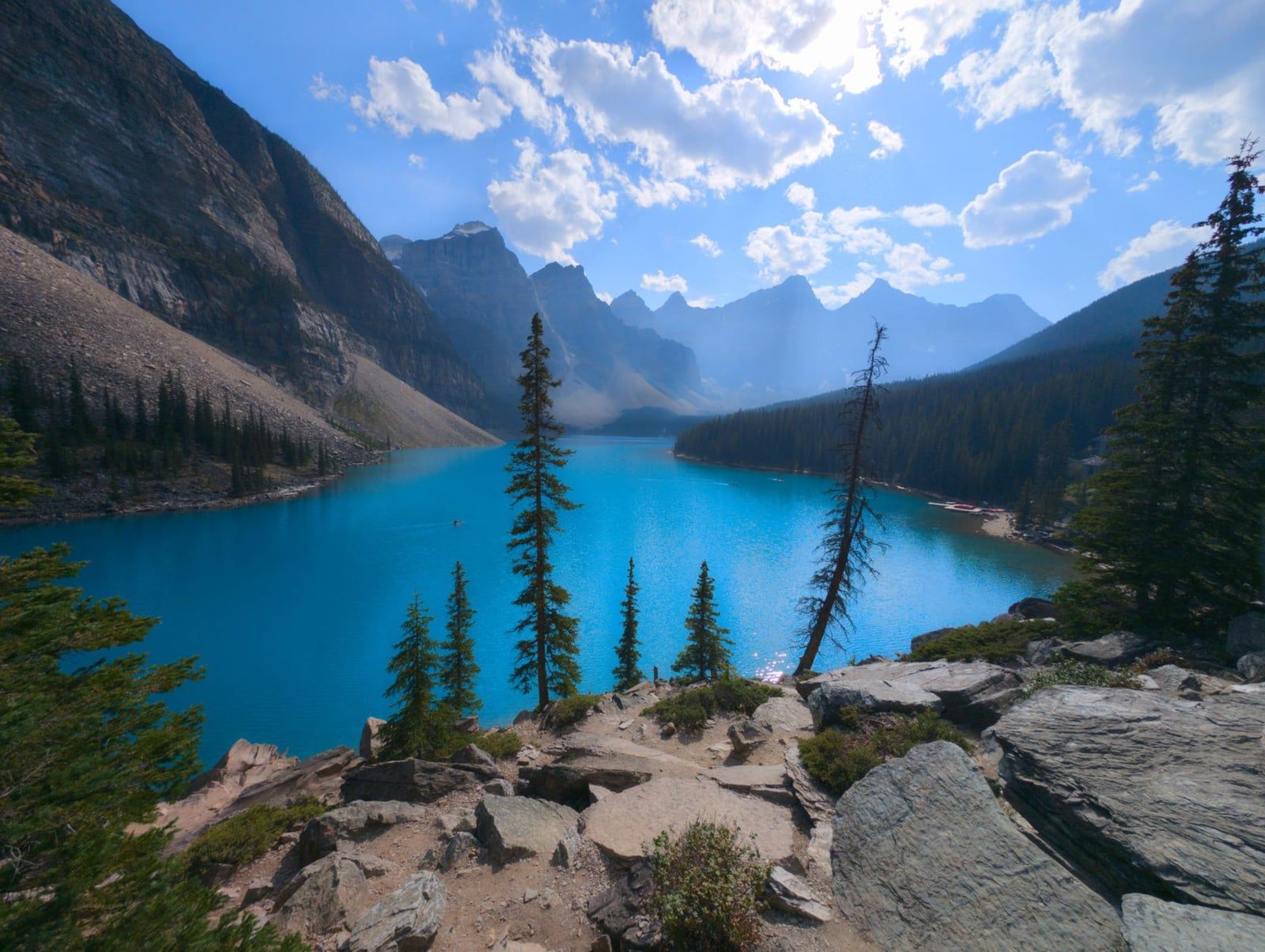
Moraine Lake Lodge is the only property with private road access to Moraine Lake, and it typically runs June through September. Everyone else, shuttle riders, licensed tour operators, day visitors, shares the same restriction: personal vehicles are banned from Moraine Lake Road year-round, the road opens by shuttle and operator only from June to mid-October, and it closes entirely in winter and gets track-set for skiing. Staying at the lodge means waking up in the Valley of the Ten Peaks with no shuttle line to fight; staying anywhere else means booking a Parks Canada shuttle reservation early, since summer slots fill weeks out.
Both lakes rent canoes by the hour in summer, and guided canoe tours are worth booking ahead if you'd rather not fight for a rental slot at the dock.
Budget and Alternative Bases: Camping, Hostels, Ski Lodges and Parkway Cabins
A hotel isn't the only way to see Banff. Camping, hostels, and a handful of niche lodges cover budget travelers, skiers, and anyone road-tripping the Icefields Parkway.
Camping
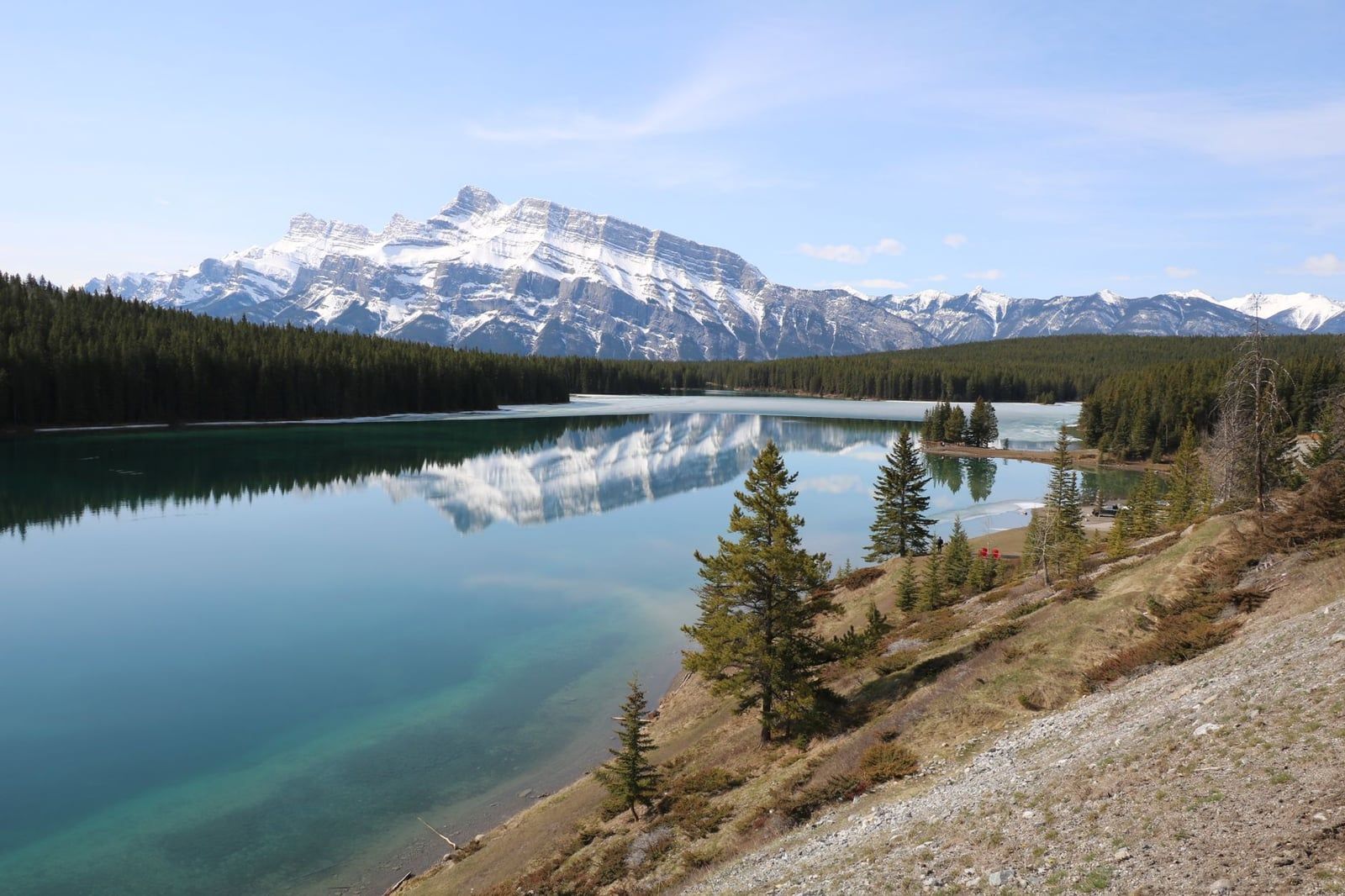
Banff National Park runs roughly 2,400 campsites across 14 campgrounds, most open mid-May to mid-October, with one campground in Banff and one in Lake Louise staying open year-round. Tunnel Mountain, Two Jack, and Lake Louise are the popular frontcountry picks, and reservations for the 2026 season open February 12 at 8am Mountain Time, mark the date, because popular sites fill within minutes. Wildlife is active around every campground here; keep a clean site and check our guide to Banff's wildlife before you pitch a tent.
Hostels
HI Banff Alpine Centre, on Tunnel Mountain, is the park's main hostel and a short bus ride from downtown restaurants. Canmore has its own option through the Alpine Club of Canada, a useful backup when Banff's hostel is full during peak weeks.
Bow Valley Parkway Cabins
Castle Mountain Chalets and Baker Creek sit along the Bow Valley Parkway, roughly midway between Banff and Lake Louise. They suit road-trippers who want a quiet, forested stop rather than another townsite, and the Parkway's lack of streetlights makes for genuinely dark skies if you're chasing the Milky Way; stargazing tours run from bases along this stretch.
Ski Lodges and Other Bases
Sunshine Mountain Lodge is the park's only ski-in, ski-out hotel, sitting at the base of Sunshine Village. Calgary only makes sense as a base for a single-day visit: it's about 1.5 hours to Banff townsite, 2 hours to Lake Louise, and 3 hours 40 minutes to the Athabasca Glacier, too far to repeat daily, though day tours from Calgary cover the highlights without an overnight stay. Longer trips can add a night near Yoho National Park's Emerald Lake, 30-45 minutes west of Lake Louise across the British Columbia border.
Practical Tips: Booking Windows, Pricing and Getting Around
Book peak summer 4-6 months out if you want a real choice of hotel. About 40% of Banff's summer bookings are made at least 4 months ahead, compared with roughly 25% for the Christmas period, and Lake Louise and Moraine Lake Lodge sell out earliest of all. Shoulder season, April-May and October-November, brings lower rates and thinner crowds, though some high trails stay snow-covered into early summer; see our season-by-season guide before you lock in dates.
Rates swing by day of week almost as much as by season. Weekend prices climb when Calgary and Edmonton residents drive up for a night or two, so a Tuesday-Wednesday stay can run noticeably cheaper than the same room on a Saturday. Expect roughly $120-$200 USD a night for a standard hotel room in Banff, more at the Fairmonts and in July-August, less in the shoulder months.
Parking is the townsite's weak point. Many downtown hotels charge for a space or have none at all, so confirm before you book. Roam Transit is the workaround: it links downtown Banff with Canmore, Lake Louise, Lake Minnewanka, and Johnston Canyon, and it's wheelchair accessible, so a car isn't strictly necessary if you're basing in the townsite.
Groups of four or more often do better with a vacation rental than two hotel rooms, and Airbnbs are common in both Banff and Canmore. Traveling with a dog, expect a pet fee of roughly $25-$50 a night at hotels that allow them, and confirm the policy directly since it changes property to property.
Frequently Asked Questions
Is it better to stay in Banff town or Canmore?
Banff town is more convenient for first-timers and short trips, with everything within walking distance. Canmore, 20-25 minutes outside the park, has better value and a stronger dining scene but adds drive time and occasional weekend park-gate lines.
Can you actually stay inside Banff National Park itself?
Yes. The Town of Banff and Lake Louise village both sit inside the park boundary, along with a few Bow Valley Parkway lodges (Castle Mountain Chalets, Baker Creek) and 14 Parks Canada campgrounds.
How many nights should I split between Banff and Lake Louise?
For trips of 3 nights or more, try 2-3 nights in Banff or Canmore and 2-3 nights near Lake Louise. That avoids the 45-60 minute drive each way and lets you reach both lakes before the parking lots fill.
Is Lake Louise worth staying overnight at, given the high prices?
For most visitors, yes, it removes the need for two separate round trips, one for Lake Louise, one for Moraine Lake, and allows sunrise or sunset visits. Inventory is tight (the Fairmont Chateau Lake Louise has 539 rooms total), so book 6 months or more ahead.
Can you drive to Moraine Lake if you're staying nearby?
No. Moraine Lake Road is closed to personal vehicles year-round; only Parks Canada shuttles, licensed commercial operators, and registered Moraine Lake Lodge guests can use it, and it's only open by shuttle from June through mid-October before winter closure.
What's the cheapest way to stay in Banff National Park?
Hostels (HI Banff Alpine Centre on Tunnel Mountain, or Canmore's Alpine Club option) and the park's 14 campgrounds, roughly 2,400 sites total, are the most budget-friendly. Most campgrounds run mid-May through mid-October, though one in Banff and one in Lake Louise stay open year-round.
How far in advance should I book a hotel in Banff?
Aim for 4-6 months ahead for peak summer; about 40% of summer bookings are made at least 4 months out, and Lake Louise and Moraine Lake Lodge sell out earliest. Campground reservations for popular 2026 sites open February 12 at 8am Mountain Time and fill within minutes.
Do I need a car to get around Banff National Park?
Not within the townsite corridor, Roam Transit connects Banff, Canmore, Lake Louise, and Lake Minnewanka, and it's wheelchair accessible. A car or a booked shuttle is still needed for the Icefields Parkway and most trailheads.
Sources
- parks.canada.ca/pn-np/ab/banff/visit/tarifs-fees
- parks.canada.ca/pn-np/ab/banff/visit/installations-facilities
- parks.canada.ca/pn-np/ab/banff/activ/camping
- parks.canada.ca/voyage-travel/reserve
- parks.canada.ca/pn-np/ab/banff/visit/parkbus/louise
- en.wikipedia.org/wiki/Banff_National_Park
- en.wikipedia.org/wiki/Moraine_Lake