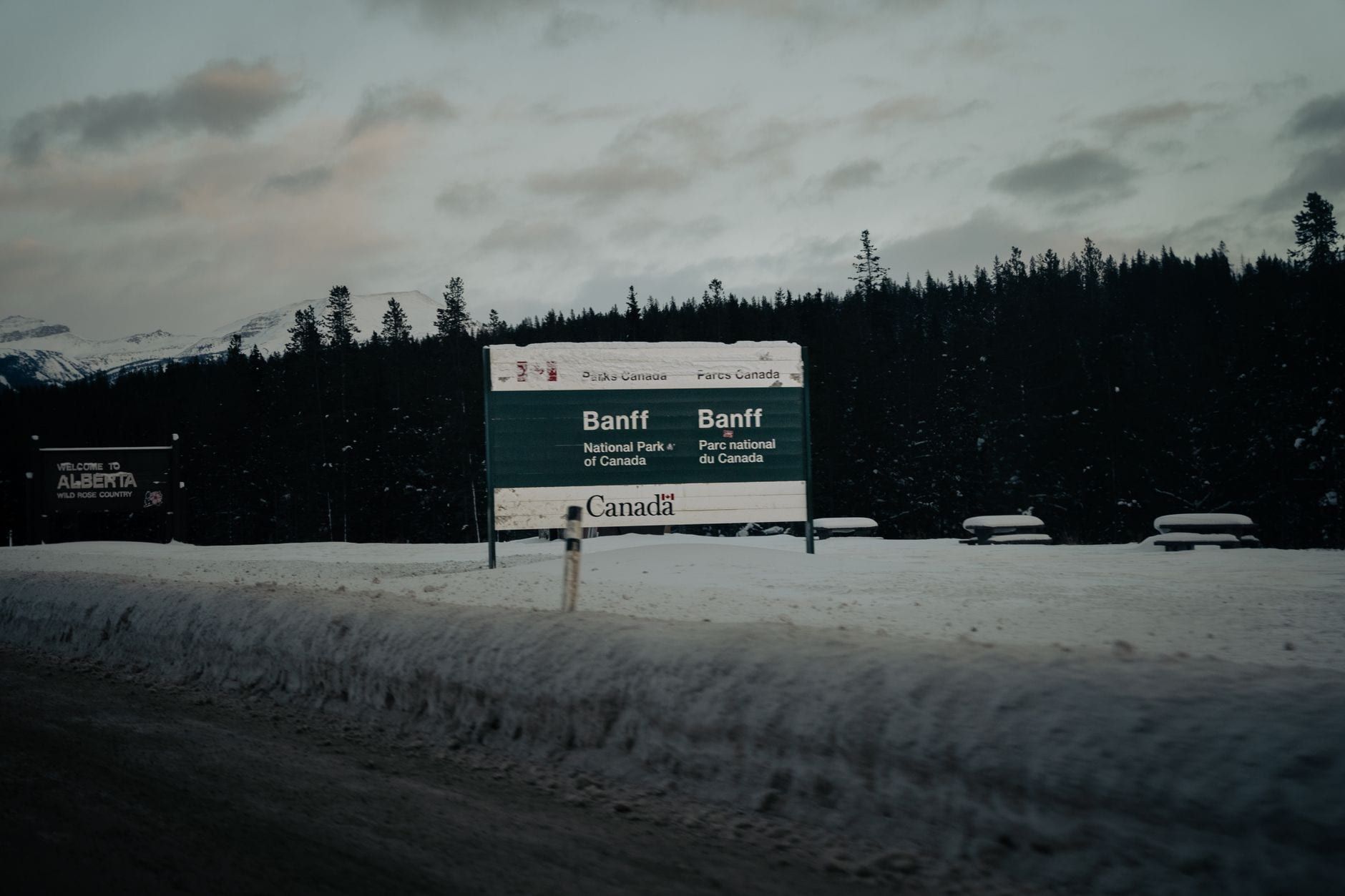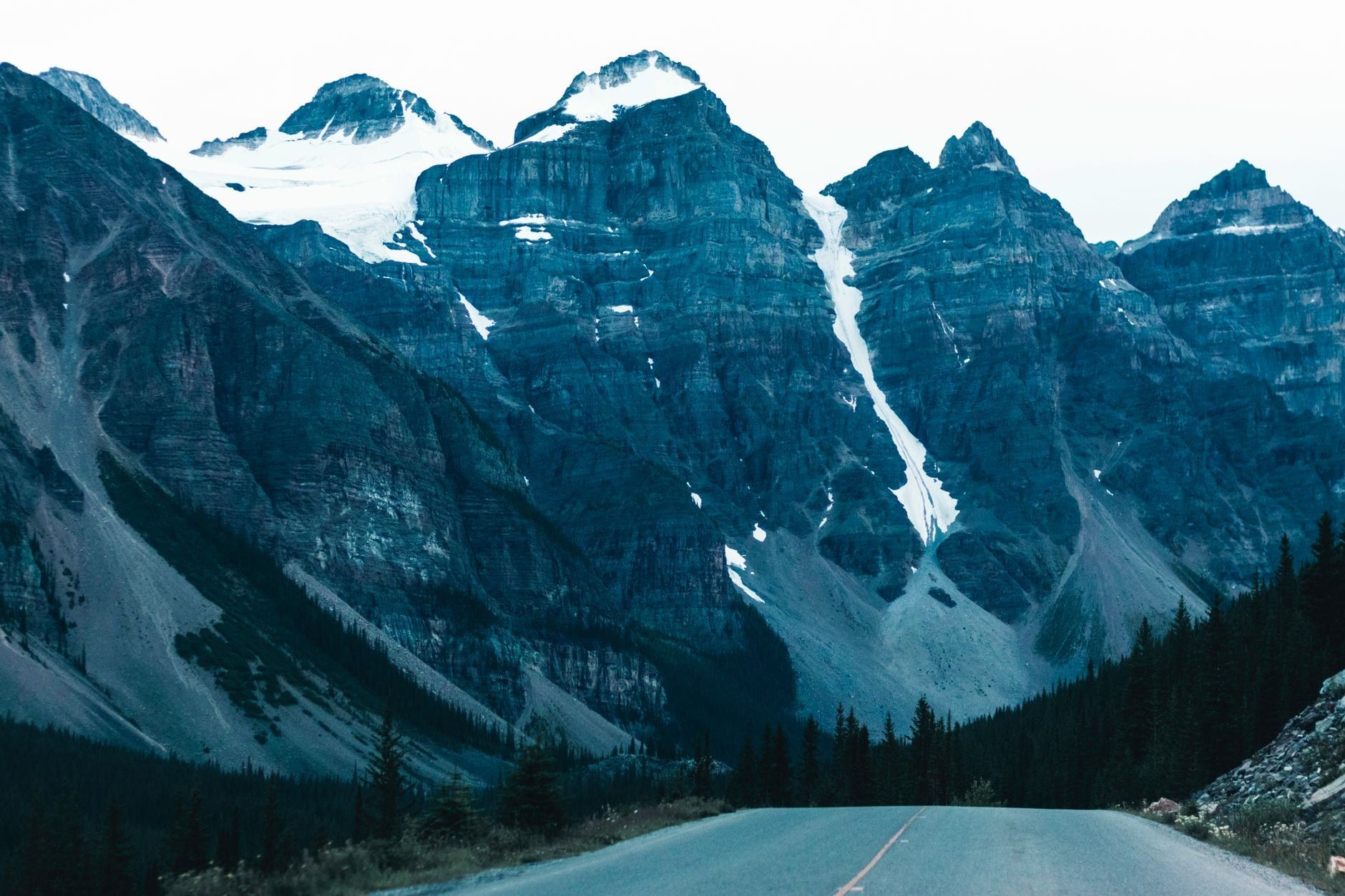
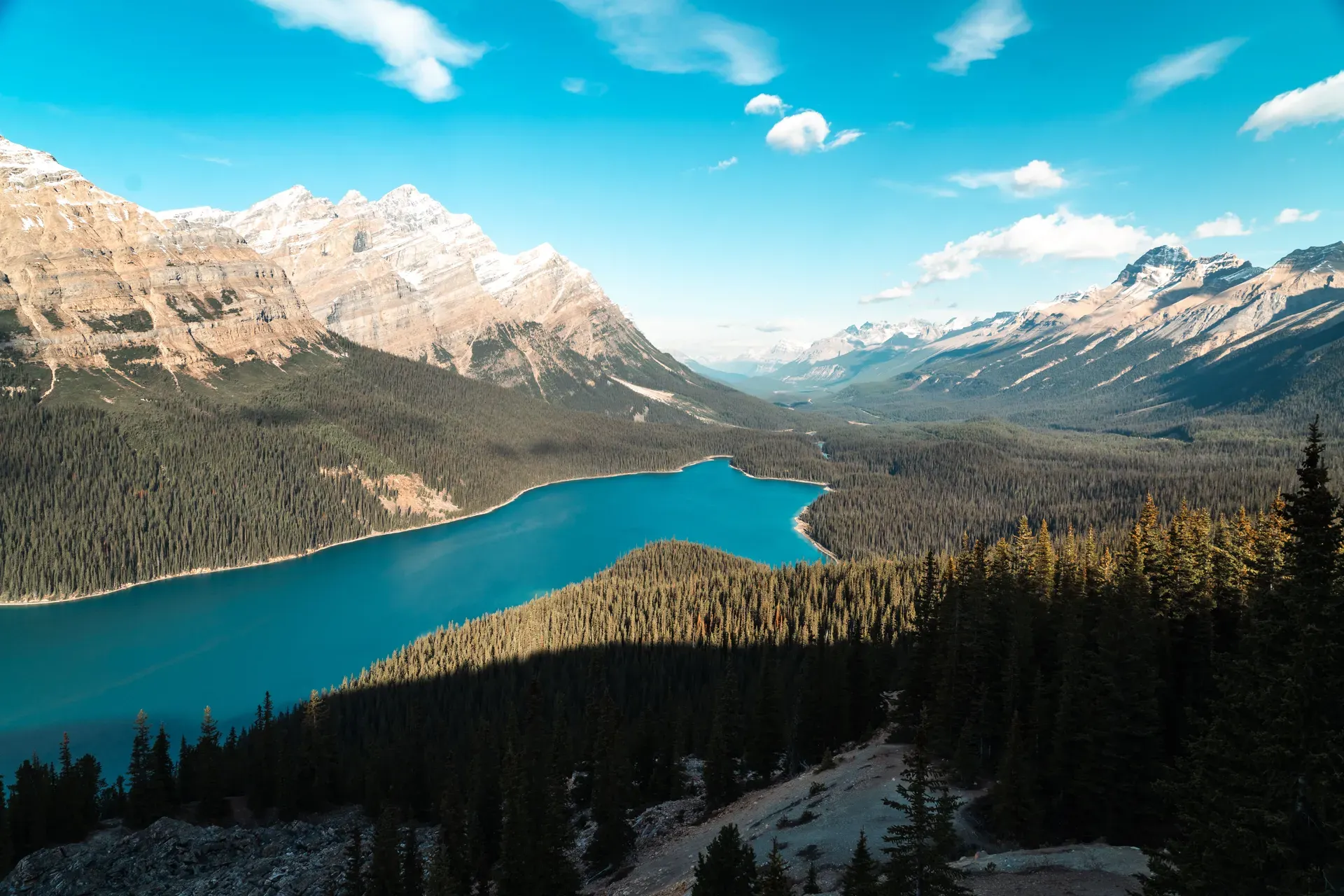
Three days in Banff National Park is enough to see the postcard sights — Lake Louise, Moraine Lake, Johnston Canyon, one big scenic drive — if you book the right shuttles before you arrive and don't waste a morning fighting for parking. This plan front-loads the two lakes that need advance reservations, keeps day two close to town on an easy hike, and leaves day three open for a choice: a relaxed loop or a longer push up the Icefields Parkway.
Banff is Canada's oldest national park, set aside in 1885, and it still draws more visitors than any other park in the country — 4.5 million in 2025 alone. Most of them show up in July and August. That's exactly why the order of this itinerary matters as much as the stops themselves.
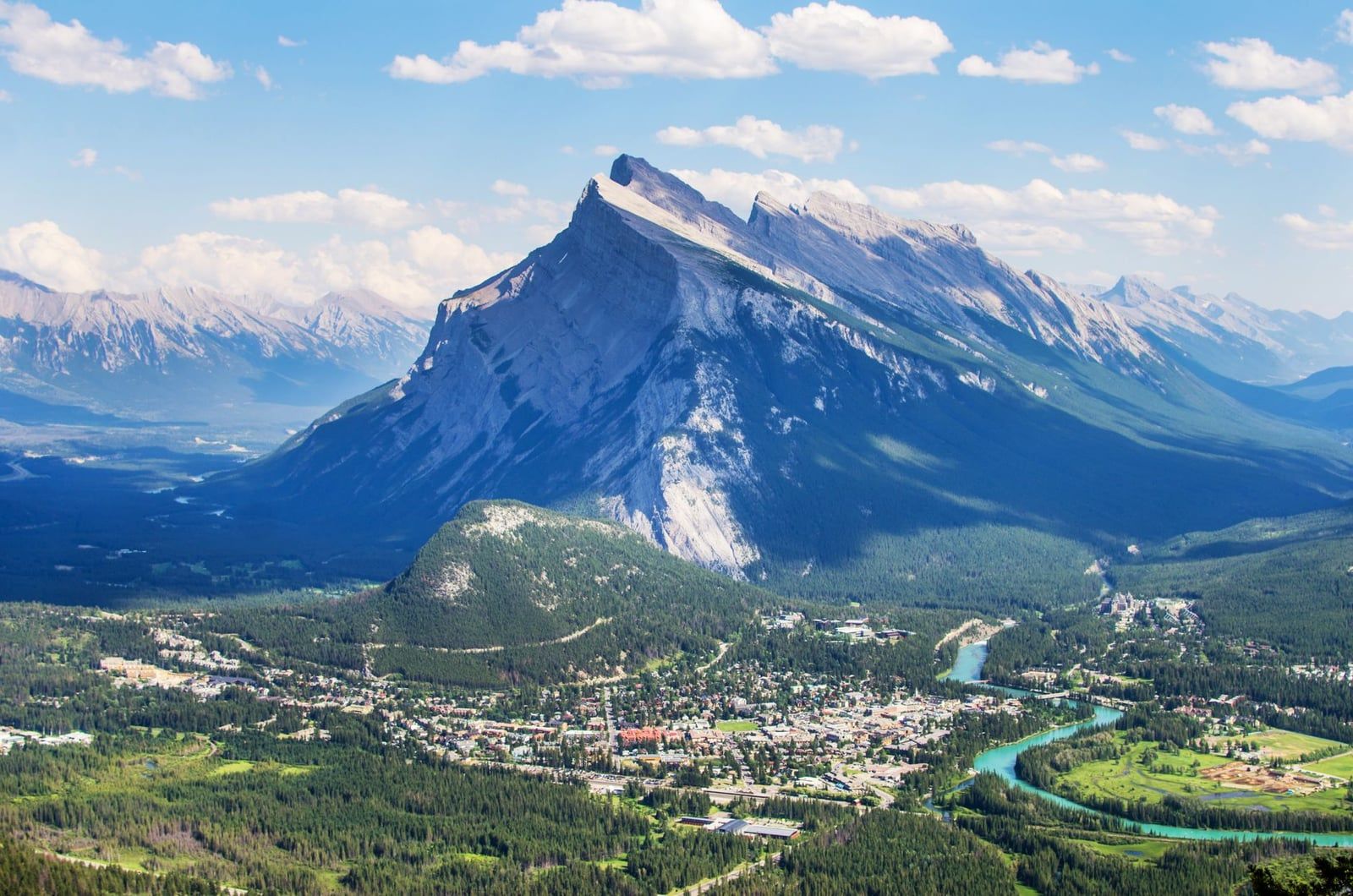
Before You Go: Key Banff Planning Basics
Sort out four things before you land: how you'll get from Calgary, where you'll sleep, your park pass, and how you'll move between sights each day. Get these right and the three days run themselves.
Getting to Banff from Calgary
Calgary International Airport sits about 130 km east of Banff, roughly 1.5 to 2 hours by car on the Trans-Canada Highway depending on traffic through Canmore. Shuttle operators run direct coaches from arrivals to Banff hotels close to hourly, and a low-cost bus route was added in 2024 for budget travelers. Renting a car gives the most freedom for this itinerary, since days two and three both involve driving beyond town — check how to get to Banff National Park for current routes before you set off.
Where to Stay
Base yourself in Banff town for this plan. It's central to all three days, walkable, and has the widest choice of restaurants and hotels inside the park. Lake Louise puts you closer to day one's lakes but adds time to everything else; Canmore, just outside the park boundary, is cheaper but tacks 20-25 minutes onto every drive. Our guide to where to stay in Banff breaks down the trade-offs by neighborhood and budget.
Park Pass Costs
Every vehicle stopping inside the park needs a valid pass on the dashboard. A daily adult pass runs $12.25 CAD, seniors pay $10.75, anyone 17 or under gets in free, and a family or group of up to seven in one vehicle pays $24.50 a day. Staying longer than about a week? The annual Discovery Pass, $83.50 CAD and valid at every Parks Canada site, pays for itself. Buy online in advance, at the gates, or at a Visitor Centre — full park pass rates and hours are on the park's fees page.
| Item | Cost (CAD) | Notes |
|---|---|---|
| Daily park pass (adult) | $12.25 | Per person, per day |
| Discovery Pass (annual, adult) | $83.50 | Valid at all Parks Canada sites |
| Lake Louise/Moraine Lake shuttle (return) | $12.75 + $3.50 fee | Book online in advance |
| Lake Louise Lakefront parking | $36.75/day | May-mid Oct, 3am-7pm |
| Banff Upper Hot Springs | ~$19.75 | Adult admission |
| Lake Minnewanka scenic cruise | ~$69 | About 1 hour, summer only |
Getting Around
A rental car covers this itinerary best, since days two and three both leave town on roads with no transit service. If you'd rather not drive, Roam Transit and the Parks Canada shuttle system reach Lake Louise, Moraine Lake, and Lake Minnewanka without a car, and several operators run private guided tours that handle the driving and shuttle bookings for you. This plan assumes summer or early fall; a winter trip needs a different itinerary built around skiing and ice walks rather than lake shores and mountain drives.
Day 1: Lake Louise and Moraine Lake
Do these two lakes first, before you've had the chance to sleep in. Both sit up a valley from Banff town, both are among the most photographed spots in the park, and both have parking lots that fill within an hour of sunrise in July and August. An early start, or skipping the driving altogether, is the difference between a calm morning and a stressful one.
Moraine Lake
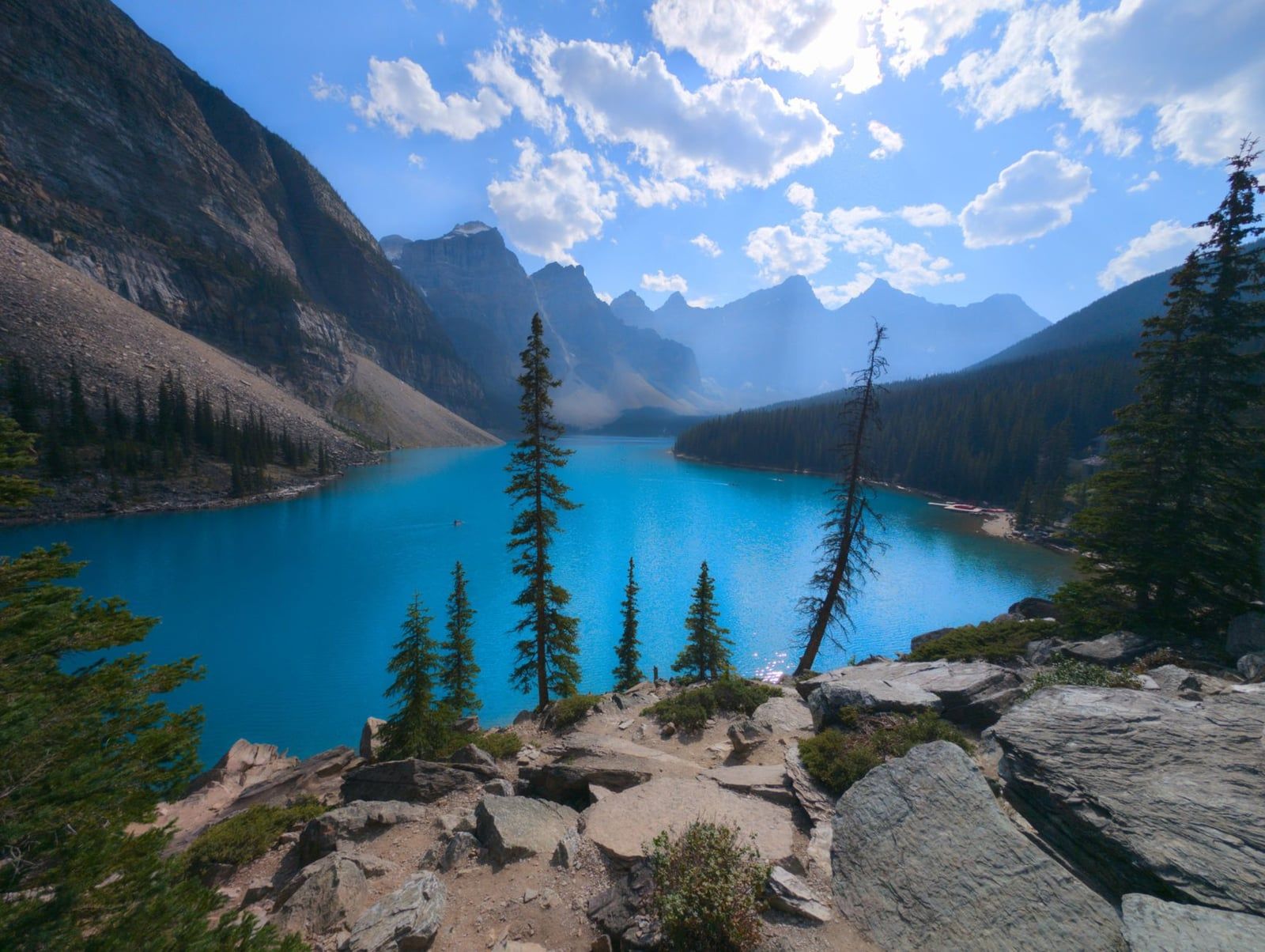
No personal vehicle can reach Moraine Lake — the access road is closed year-round to private cars, so you'll arrive by Parks Canada shuttle, Roam Transit, a licensed tour, or bike. Climb the short, steep staircase of the Rockpile Trail for the view of the Valley of the Ten Peaks that used to appear on the Canadian $20 bill; it takes about 10 minutes up and is the shot everyone comes for. Want more walking? The Lakeshore Trail runs a flat 3.4 km round trip along the water, and canoe rentals let you paddle out onto the glacial-blue water itself — book early, since they go fast on clear mornings.
Lake Louise
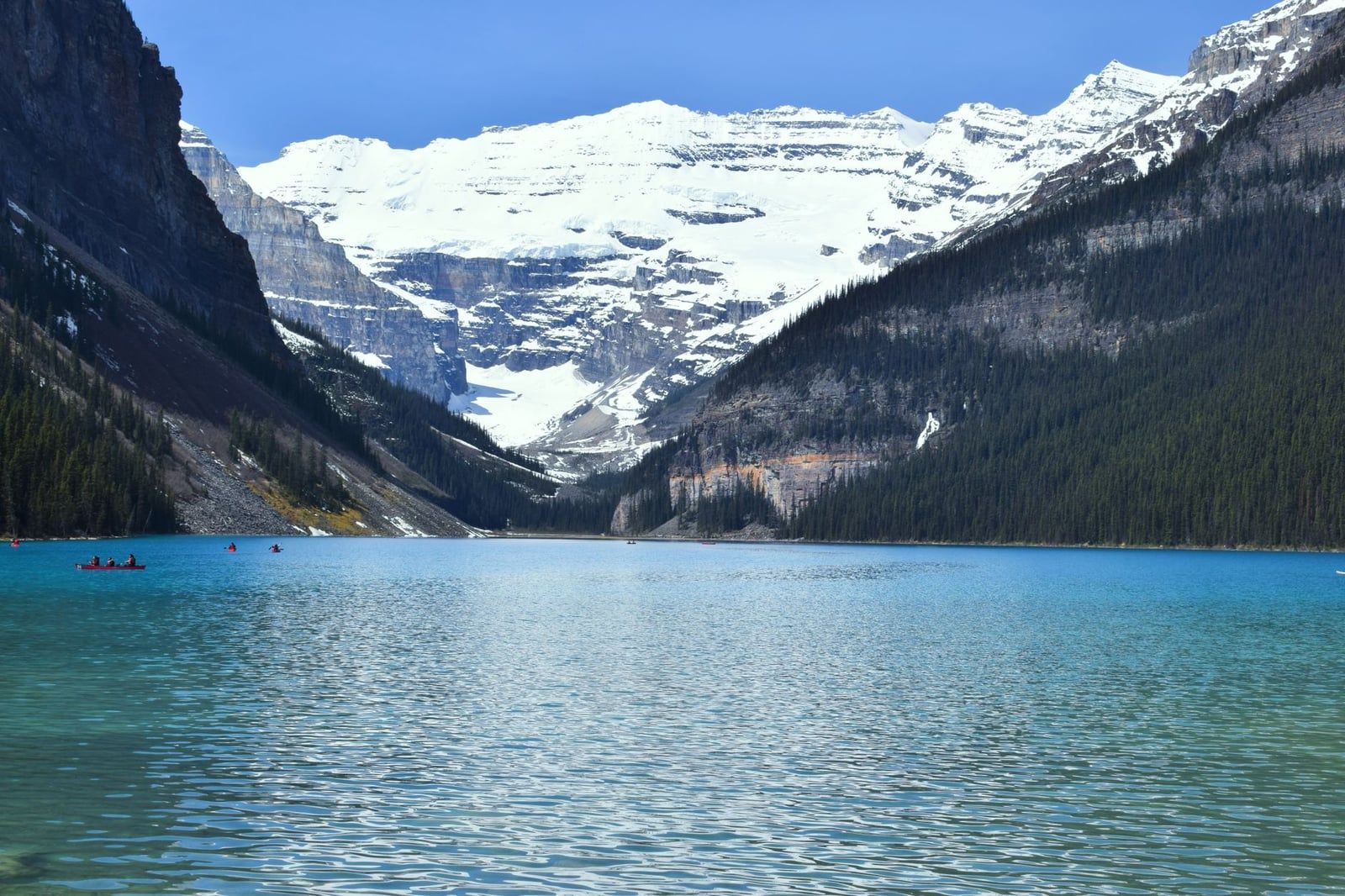
Lake Louise sits about 15 minutes from Moraine Lake by shuttle and draws an even bigger crowd, though its flat lakeshore path makes it easier to enjoy without much walking. Twenty to thirty minutes covers the full shoreline, with the Fairmont Chateau at one end and the Victoria Glacier filling the far background. Energetic visitors should add the Lake Agnes Tea House hike: 7.2 km round trip, about 400 m of elevation gain, three to four hours at a moderate pace, ending at a log teahouse serving tea and scones above a waterfall. It's steep in places, so anyone short on time or fitness is better off with one of the guided hiking tours that pace the climb.
Getting There: Shuttles and Alternatives
The Parks Canada Park & Ride shuttle connects the Lake Louise park-and-ride lot to both lakes for $12.75 CAD return per adult, plus a $3.50 online reservation fee — book this the moment your dates are fixed, since summer slots vanish weeks ahead. No car and no shuttle reservation? Roam Transit runs a similar route from Banff town. Grab lunch at one of the cafés in Lake Louise village before heading back toward Banff for the evening.
Day 2: Bow Valley Parkway, Johnston Canyon, and Banff Town
Day two stays close to home and needs no advance reservations, which makes it the easiest day to plan. Drive the Bow Valley Parkway in the morning, hike Johnston Canyon, and spend the afternoon in Banff town.
The Bow Valley Parkway
The old highway between Banff and Lake Louise runs slower and quieter than the Trans-Canada, with pullouts at Morant's Curve, a classic railway-and-mountains photo spot, and views of the sheer face of Castle Mountain along the way. Part of the parkway closes to vehicles in spring and again in early autumn to protect wildlife corridors. Check current closures before you drive — the dates shift year to year.
Johnston Canyon
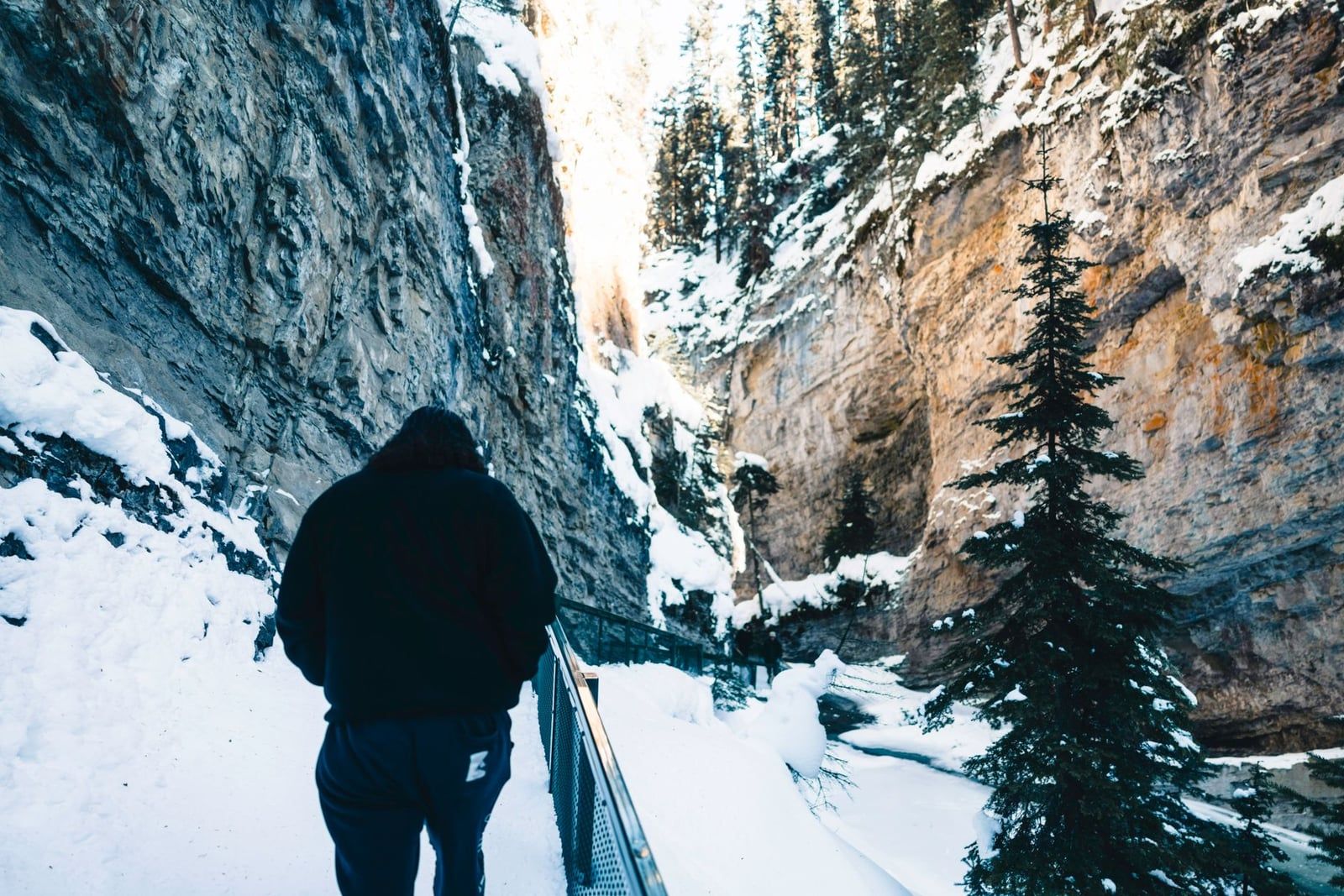
A catwalk bolted directly to the limestone cliff face leads to the Lower Falls, an easy 1.1 km, 15-20 minute walk each way on pavement and boardwalk. Keep going and the Upper Falls add another 1.3 km with more elevation gain, bringing the round trip to about two hours. Energetic hikers can push on 3 km further to the cold-water Ink Pots meadow for a half-day, roughly four hours total. Go early morning or after 5pm in summer — the catwalk sections crowd up fast at midday and there's nowhere to pass.
Banff Town in the Afternoon
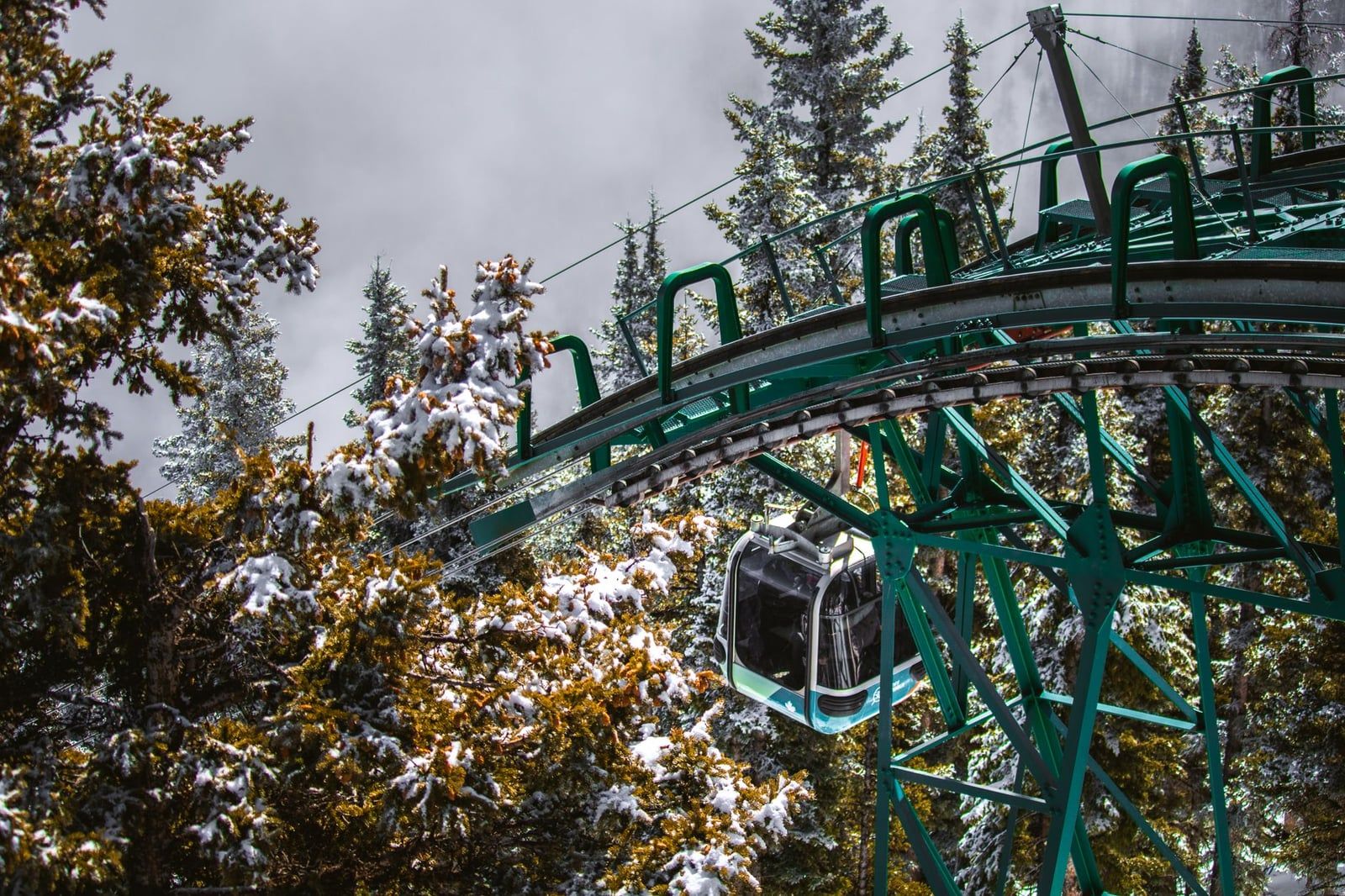
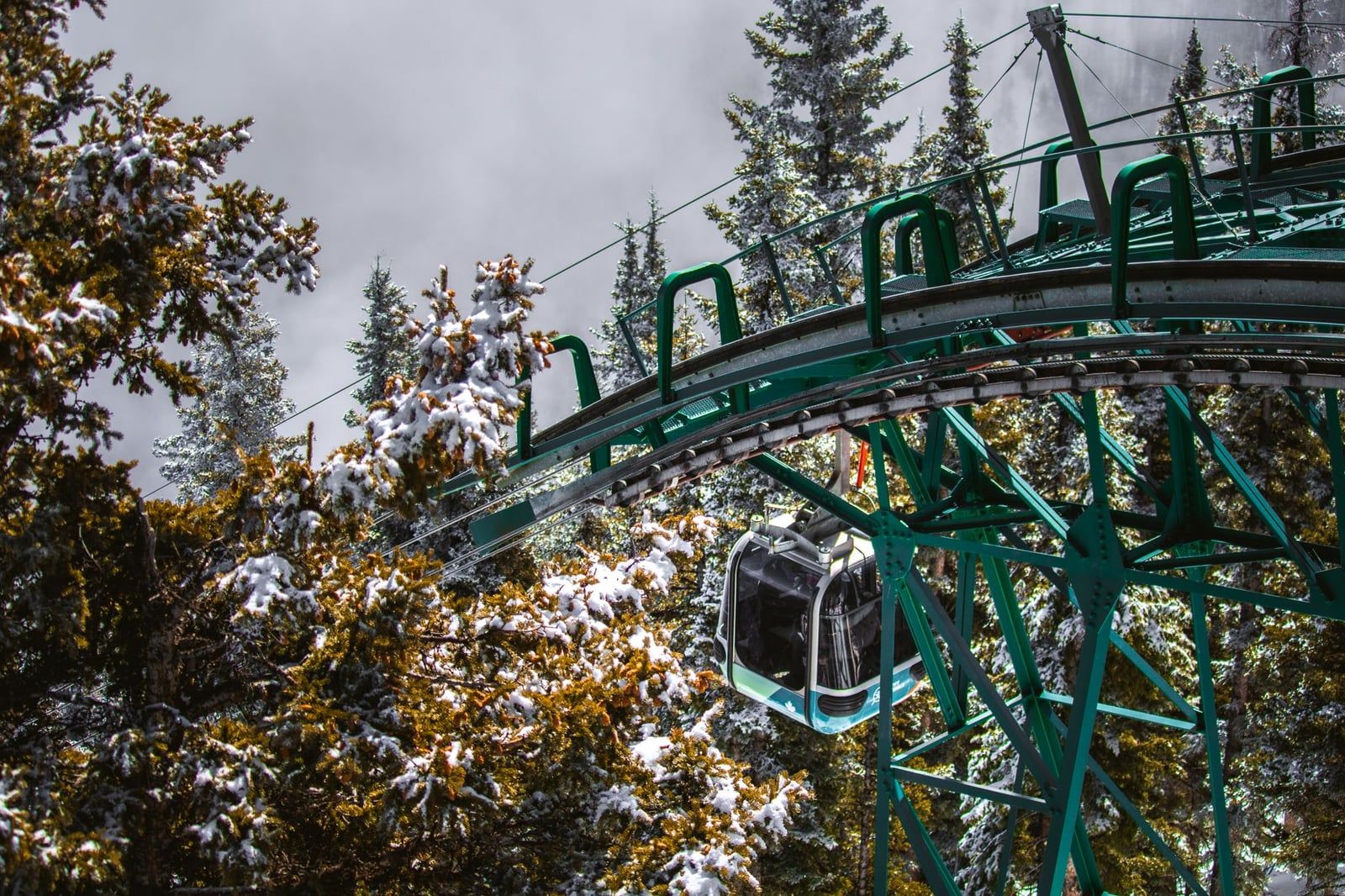
Back in town, Banff Avenue is the place for shopping and a late lunch, and Bow Falls is a five-minute walk from the main strip for a quick waterfall stop with no hiking required. The Cave and Basin National Historic Site, where the park's hot springs were first found in 1883, makes a good rainy-afternoon stop with displays on how the whole park began. For the evening, ride the Banff Gondola up Sulphur Mountain — about eight minutes to a 2,281 m summit boardwalk with views over six mountain ranges — or soak at the Banff Upper Hot Springs at the mountain's base. Restaurants along Banff Avenue and Bear Street cover everything from casual poutine to fine dining; pick based on how tired your legs are after the canyon.
Day 3: Lake Minnewanka Loop and the Icefields Parkway (Choose Your Adventure)
Your last day is the one to shape around your own energy level and the weather forecast. Option A stays close to Banff and needs only half a day; Option B is a full-day push up one of the most scenic drives in the country.
Option A: The Lake Minnewanka Loop
Lake Minnewanka, 21 km long and the largest lake in the park, sits a 10-minute drive from Banff town along a loop road that also passes Two Jack Lake and the Vermilion Lakes. Walk the shoreline, book the roughly one-hour scenic cruise (from about $69 CAD per person, summer only), or join a wildlife-spotting tour for a better shot at the bighorn sheep that graze the loop road most mornings. Time it so you're at Vermilion Lakes or Two Jack Lake for sunset — the Fairholme Range reflects in the still water and it's a five-minute stop, not a hike.
Option B: The Icefields Parkway
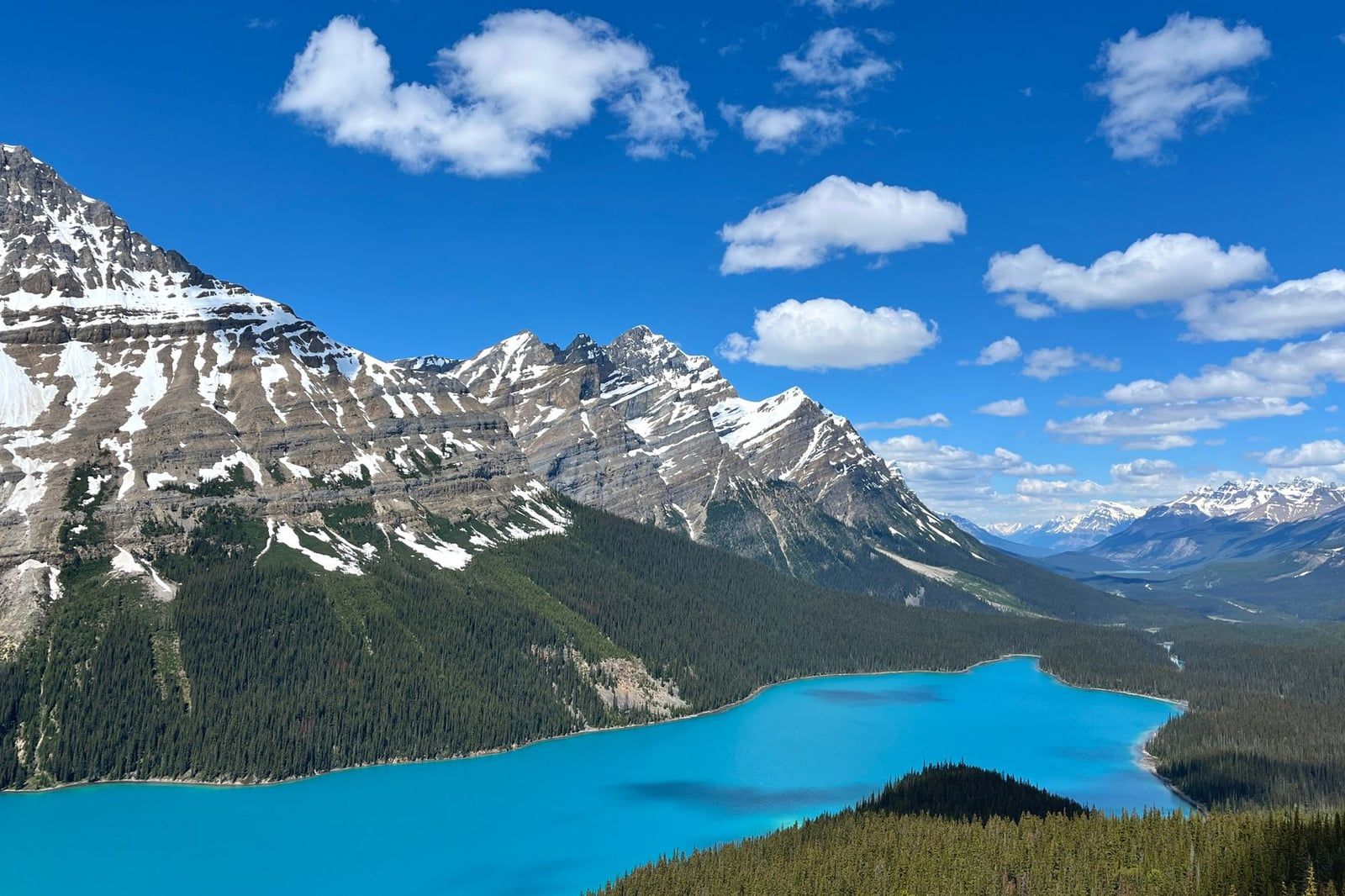
Highway 93N climbs north from Lake Louise toward Jasper, and even a partial run delivers some of the best mountain scenery in Canada. Bow Lake and Peyto Lake sit about 40 minutes up from Lake Louise, with Peyto's fox-head-shaped turquoise water visible from a short, accessible viewpoint trail. Push on to the Columbia Icefield, roughly two hours from Banff, and you can walk onto the toe of the Athabasca Glacier or ride an Ice Explorer vehicle onto the ice for about $109 CAD per adult with the Glacier Skywalk combo. The glacier has lost about half its volume over the past 125 years and keeps retreating around 5 m a year — worth seeing while it's still there. There's no cell coverage for most of this drive, so download offline maps and fill the tank before leaving Lake Louise.
| Lake Minnewanka Loop | Icefields Parkway | |
|---|---|---|
| Time needed | 3-4 hours | Full day (7-8 hours round trip) |
| Distance from Banff | ~24 km loop | ~230 km round trip to Columbia Icefield |
| Best for | Relaxed pace, wildlife, sunset photos | First-timers chasing glacier views, early risers |
| Typical cost | Free drive; cruise ~$69 CAD | Free drive; Ice Explorer + Skywalk ~$109 CAD |
Is 3 Days Enough for Banff?
Three days covers Banff's core sights well: Lake Louise, Moraine Lake, Johnston Canyon, Banff town, and one big scenic drive. What it skips is everything just outside that core — Yoho National Park's Emerald Lake and Takakkaw Falls, the rest of the Icefields Parkway up to Jasper, and the longer backcountry hikes that need a full day each.
Banff and Lake Louise's own tourism board pitches three days as a solid extended-weekend trip covering exactly this list of stops. Add a fourth or fifth day and Yoho becomes realistic as a half-day add-on, or you can push the parkway all the way to Jasper and back — our 5-day Banff itinerary lays out that longer version day by day.
Short on time instead? Cut day three and keep days one and two. Lake Louise, Moraine Lake, Johnston Canyon, and Banff town are the four stops you'd regret skipping, and that's a workable 2-day trip on its own.
Practical Tips for Your 3-Day Trip
A few things to sort out before day one that don't fit neatly into any single day's plan.
- Book Lake Louise/Moraine Lake shuttles the moment your dates are set.
- Pack layers and a waterproof shell — mountain weather turns fast, even in July.
- Carry bear spray on hikes; never approach wildlife and keep food sealed.
- Download offline maps before day three — there's no signal on most of the Icefields Parkway.
- Check Parks Canada's bulletins page each morning for trail and road closures.
Frequently asked questions
Is 3 days enough time to see Banff National Park?
Yes for the highlights — Lake Louise, Moraine Lake, Johnston Canyon, Banff town, and one scenic drive — but it skips Yoho National Park, the full Icefields Parkway to Jasper, and multi-day backcountry hikes. Add a fourth or fifth day if those are on your list.
Do I need a car for a 3-day Banff itinerary?
A rental car gives you the most flexibility, especially for day two and three's drives. Roam Transit and the Parks Canada shuttle cover Lake Louise, Moraine Lake, and Lake Minnewanka without one, but Moraine Lake Road itself is closed to personal vehicles year-round regardless.
How much does it cost to enter Banff National Park?
Daily admission is $12.25 CAD per adult, $10.75 for seniors, free for anyone 17 or under, and $24.50 for a family or group of up to seven in one vehicle. The annual Discovery Pass costs $83.50 CAD and pays off around a week's stay.
Do I need reservations for Moraine Lake and Lake Louise?
Personal vehicles can't drive to Moraine Lake at all, so you need a shuttle, Roam Transit, or tour reservation regardless. The Parks Canada Park & Ride shuttle costs $12.75 CAD return per adult plus a $3.50 booking fee, and summer slots sell out weeks in advance.
What is the best order to visit Banff's top sights in 3 days?
Do Lake Louise and Moraine Lake first — they're the furthest out and the most crowd-sensitive. Follow with Johnston Canyon and Banff town, then close with the Lake Minnewanka Loop or Icefields Parkway on your last, most flexible day.
Can I do Banff in 3 days without hiking much?
Yes. The Lake Louise and Moraine Lake shorelines, the Banff Gondola, a Lake Minnewanka cruise, and the Icefields Parkway drive all require minimal walking while still covering the park's signature views.
Is 3 days in Banff better as a 2-day trip if I'm short on time?
Cut day three and you still get the essentials — Lake Louise, Moraine Lake, Johnston Canyon, and Banff town fit into two full days if you start early both mornings.
What should I pack for a 3-day Banff trip?
Warm layers, a waterproof jacket, sturdy walking shoes, sunscreen, a refillable water bottle, and bear spray if you're doing any of the longer trails.