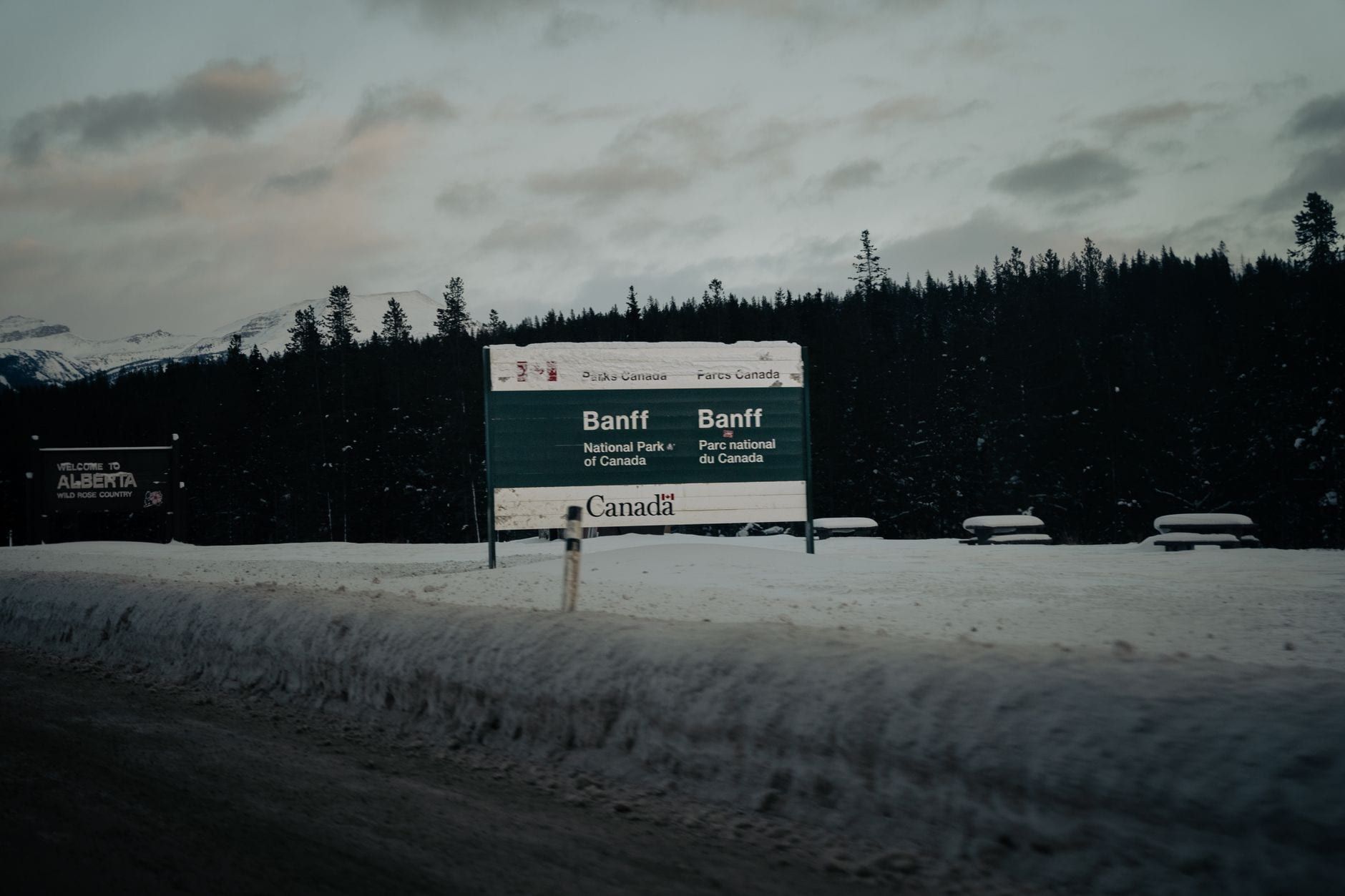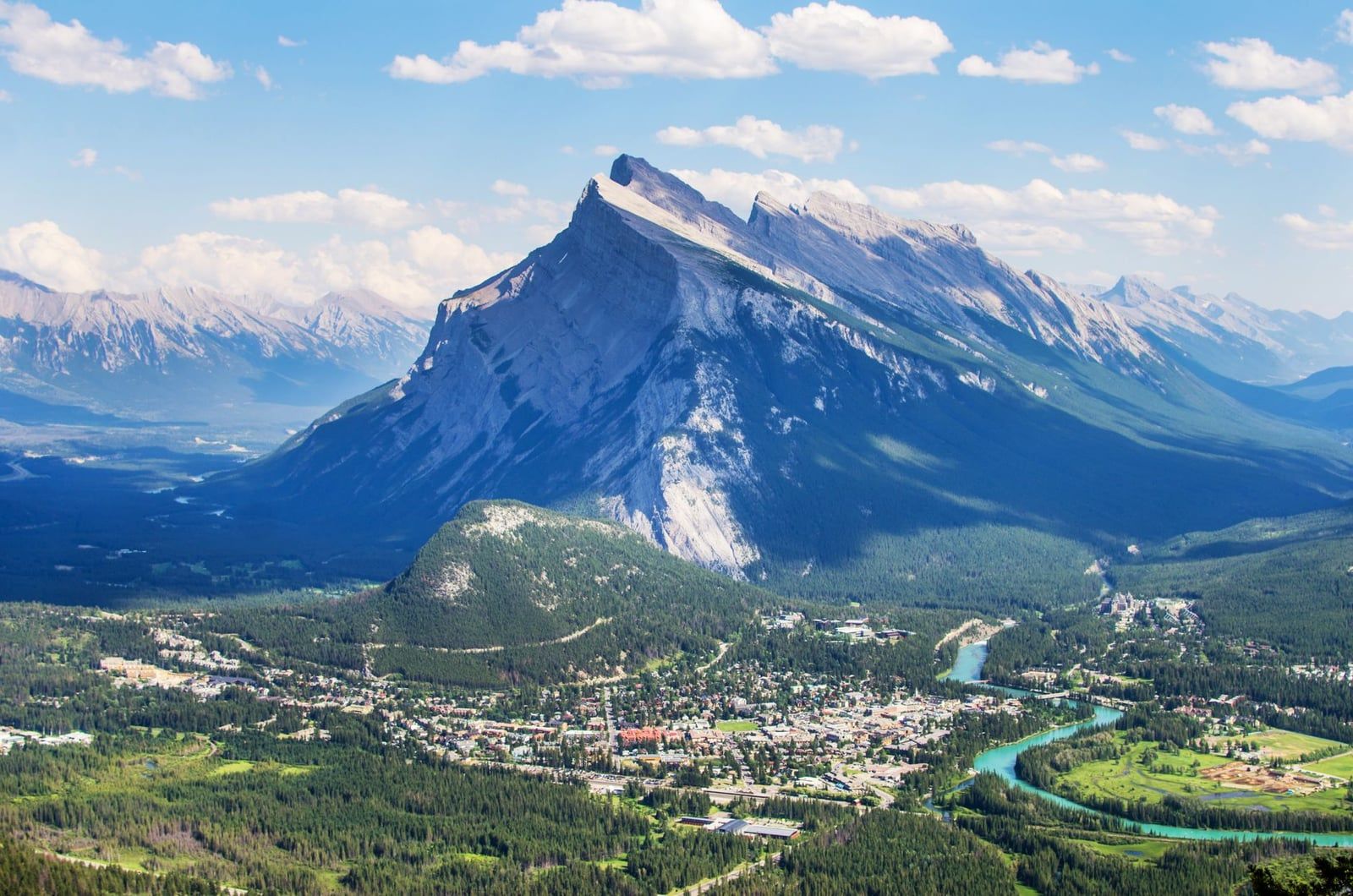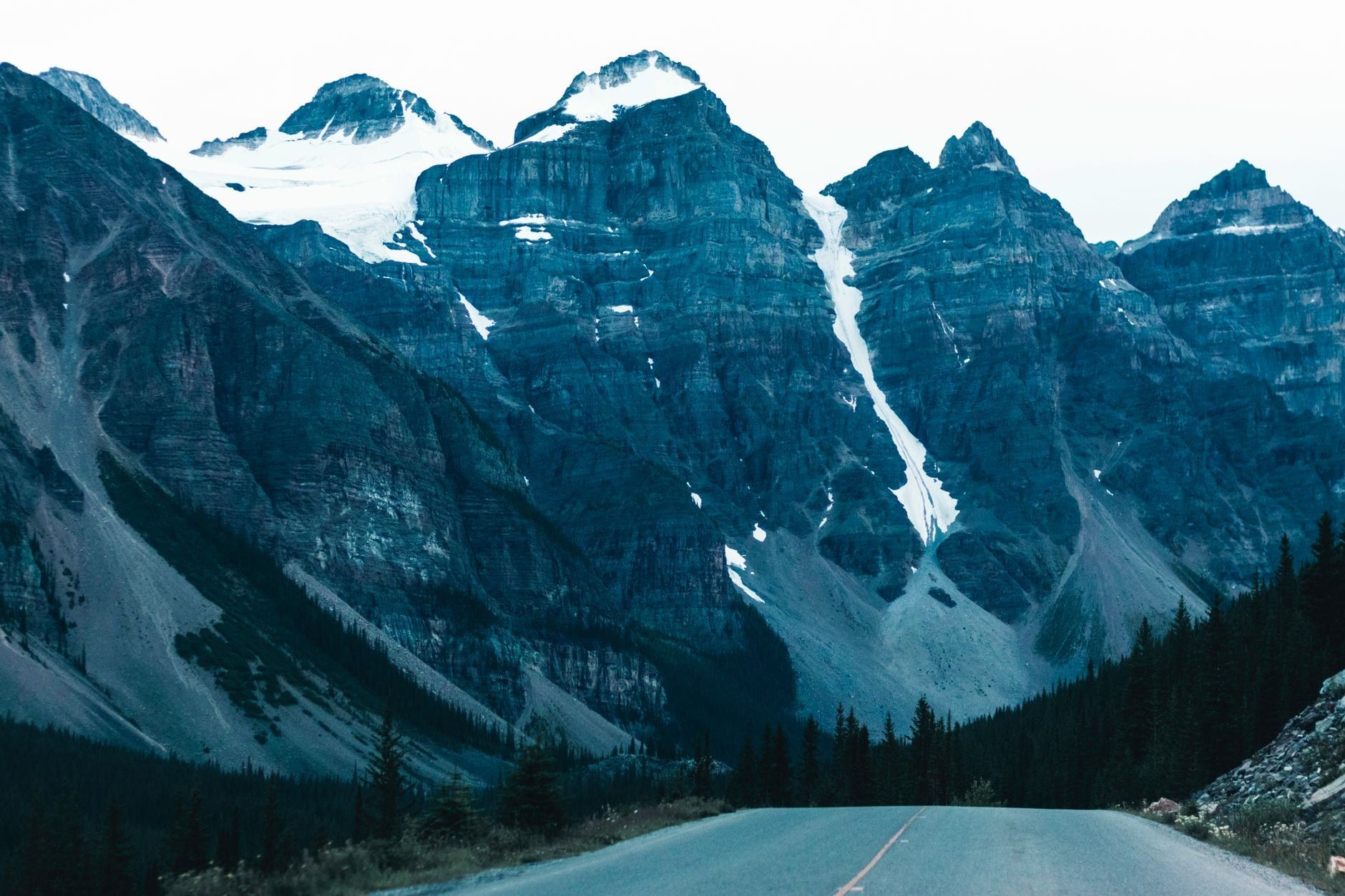
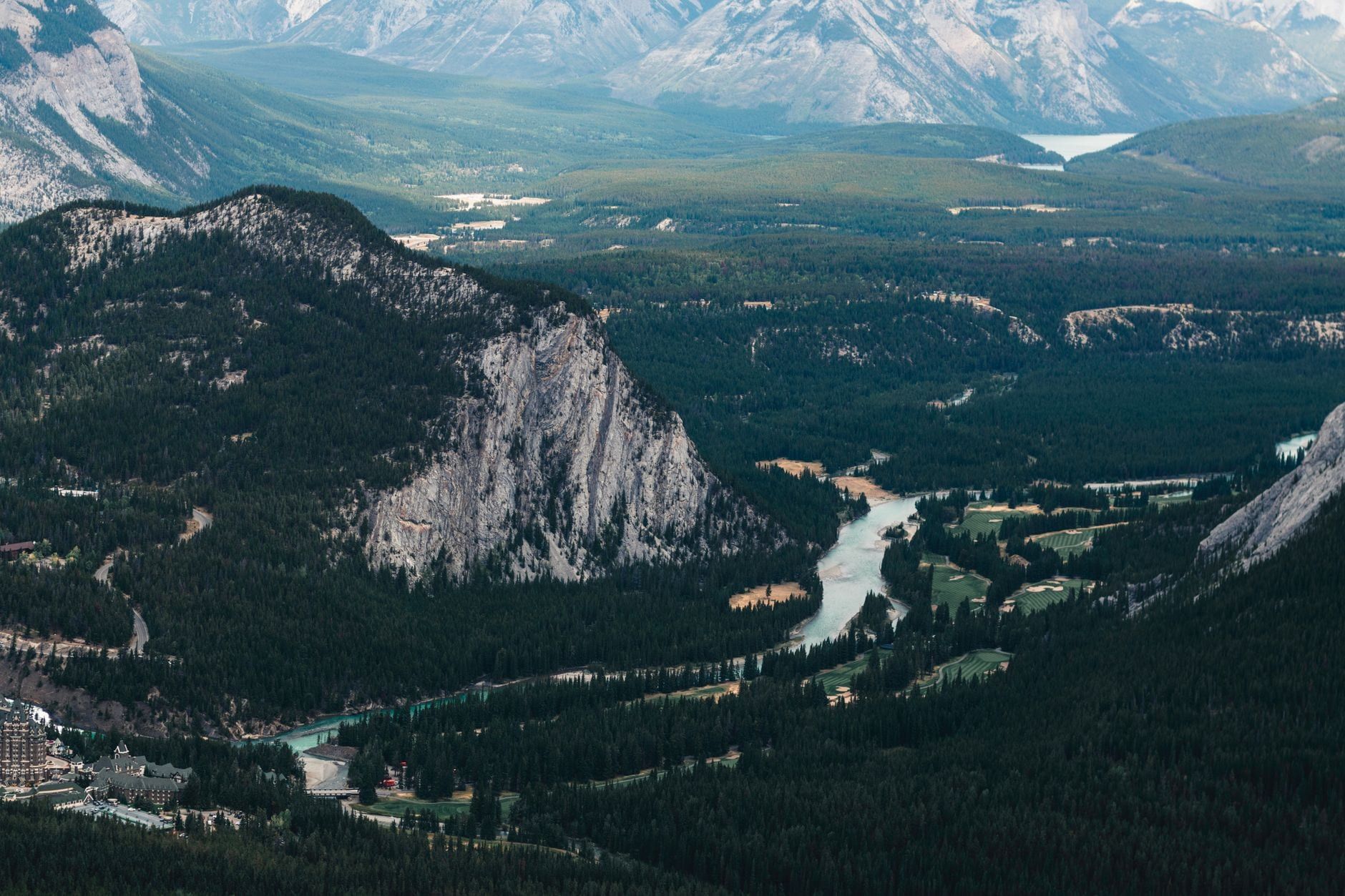
Five days is enough to see Banff without turning the trip into a car-window blur. This itinerary opens with a slow arrival day in Banff town, gives full days to Lake Louise and Moraine Lake, crosses into Yoho National Park for a change of scenery, and closes with Johnston Canyon, Lake Minnewanka and a sunset gondola ride. It assumes a rental car and a first-time visitor after the headline sights plus one real hike, not a checklist sprint.
Every day below comes with a realistic start time, drive distances, and a lower-effort backup for when weather or tired legs get in the way.
How Much Time Do You Really Need in Banff?
Four to five days is the minimum most first-time visitors need to see Banff without feeling rushed. Three days covers only the headline sights - Lake Louise, Moraine Lake, maybe Johnston Canyon - all crammed into one frantic loop. Five days adds a full day trip into Yoho National Park and a real stretch of the Icefields Parkway on top of the lakes, which is the difference between seeing Banff and just photographing it.
A rushed three-day version means picking two of the three big days: Moraine Lake and Lake Louise together, then either Johnston Canyon or the Icefields Parkway, not both. A relaxed seven-day trip adds a rest day in Canmore, a second hike, and room to push toward the Columbia Icefield or continue on to Jasper National Park. Five days sits between the two: tight enough to need a plan, loose enough that one bad-weather day won't wreck it.
Families with toddlers, serious backcountry hikers, and anyone adding Jasper should build in two or three extra nights. Everyone else - couples, friends, first-timers with a rental car - can run this exact script.
The plan: Day 1 settles into Banff town. Day 2 is Lake Louise and the Lake Agnes Teahouse hike. Day 3 chases sunrise at Moraine Lake, then drives north up the Icefields Parkway. Day 4 crosses into Yoho for Emerald Lake and Takakkaw Falls. Day 5 closes with Johnston Canyon, Lake Minnewanka and a sunset ride up the Banff Gondola.
Before You Go: Park Pass, Reservations & Best Time to Visit
Every vehicle stopping in the park needs a valid pass on the dash. A day pass costs $12.25 CAD per adult ($24.50 for a family or group of up to seven); the annual Discovery Pass runs $83.50 CAD per adult ($167.50 family) and covers every Parks Canada site for a year. Check current rates at Banff's hours and entry fees before you land.
Moraine Lake Road has been closed to private vehicles since 2023, permanently, not just at peak hours. Getting there means the Parks Canada shuttle, Roam Transit, a guided tour, a taxi or a bike - there's no version of this where you drive up and park. Lake Louise still allows some parking, but the lots fill within an hour of sunrise in summer, so most visitors use the shuttle system instead.
- Moraine Lake / Lake Louise shuttle or tour: book about 3 months ahead
- Hotels for June-September: 4-6 months ahead if possible
- Sky Bistro or other sunset dinners: about a month ahead
- Rental car: as soon as your dates are fixed
June through September gives full access to Moraine Lake Road, the Icefields Parkway and every trail in this plan. Late September trades some crowds for golden larch color in the alpine zone. Visit in April, May or November and expect closures and unpredictable weather - see our month-by-month guide before locking in dates.
A rental car is close to essential here - the Icefields Parkway and the Yoho day both need your own wheels, since no shuttle covers either route. Roam Transit handles Banff townsite and the Lake Louise corridor well on the days you're not driving those two.
Where to Stay for This Itinerary
Banff townsite is the easiest base: walkable, full of restaurants, and closest to Johnston Canyon and Lake Minnewanka for Day 5. It also means a longer drive to Moraine Lake and the Icefields Parkway on Days 3 and 4.
Splitting the five nights - part in Banff, the rest near Lake Louise - cuts real driving time on the Moraine Lake, Icefields Parkway and Yoho days, since Lake Louise sits roughly 45 minutes closer to all three. It costs one hotel switch mid-trip for a lot less time in the car.
Canmore, about 20-25 minutes southeast of Banff, is quieter and often cheaper, with its own restaurants and easy access to Grassi Lakes. It adds a short commute every morning, which stings most on the early sunrise days.
For one splurge night, the Fairmont Banff Springs or Fairmont Chateau Lake Louise deliver the grand-hotel version of the trip. Parking at the Chateau Lake Louise now runs roughly CA$45 a day for non-guests, worth knowing even if you're only stopping for lunch. For a full base-by-base breakdown, see our guide to where to stay in Banff National Park.
Day 1: Settle In and Get Oriented in Banff Town
Start late - there's no reason to fight jet lag or a long drive with an early alarm. Banff Avenue takes about twenty minutes to walk end to end, lined with outdoor shops, bakeries and the Whyte Museum of the Canadian Rockies.
Cascade Gardens, five minutes south of the avenue, is the manicured Cascade of Time Garden surrounding the 1937 Banff Park Administration Building, the largest structure of its kind in Canada's national parks. The terraced flowerbeds frame a clean sightline up Banff Avenue to Cascade Mountain.
Bow Falls is a further ten-minute walk, a modest 9-metre drop where the Bow and Spray rivers meet. It's not dramatic by Banff standards, but the path over is flat, and it's a fair warm-up for bigger falls later in the trip.
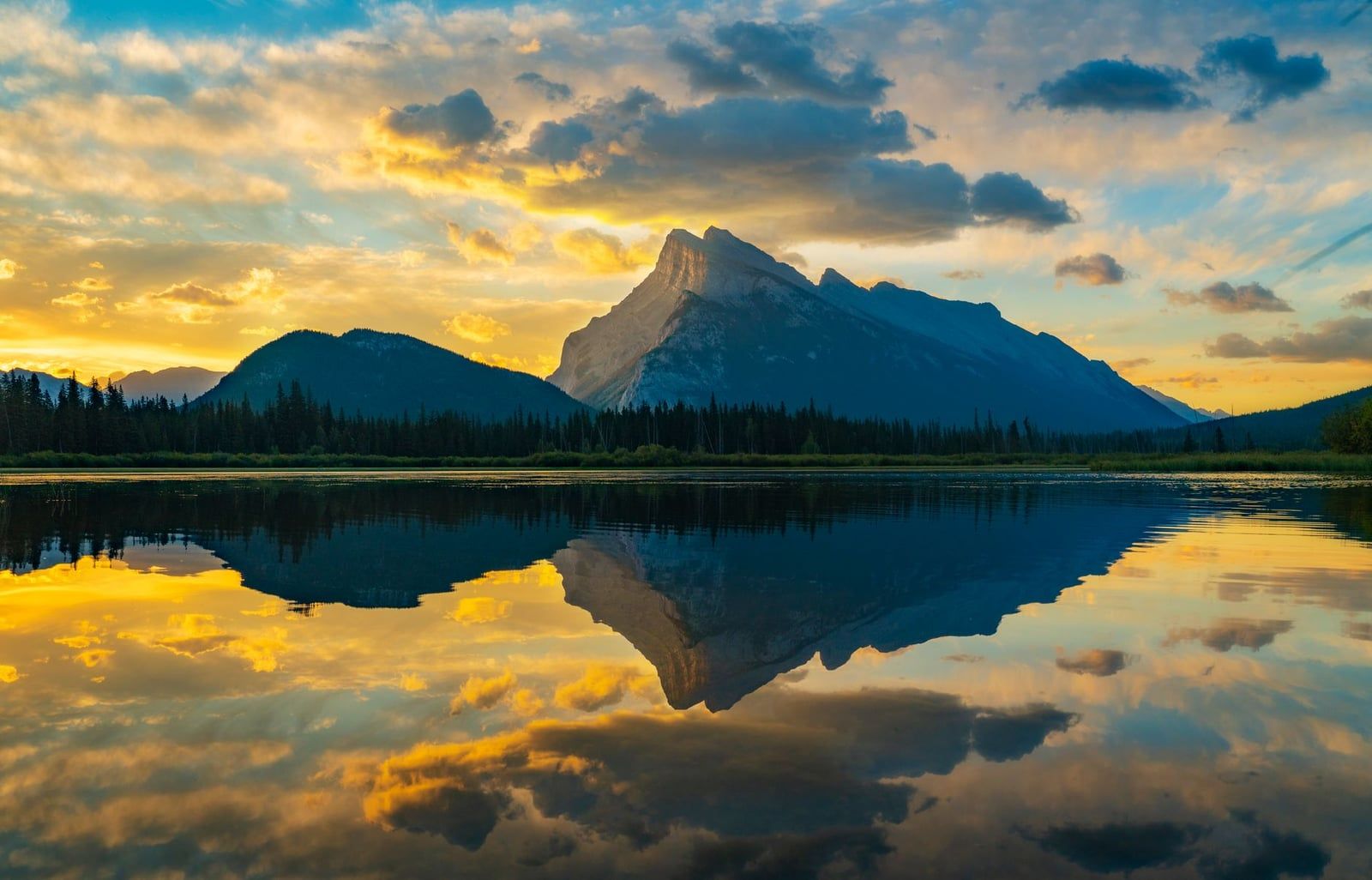
Vermilion Lakes sit about 2 km west of town, reachable by a short drive or a flat bike ride, and they're the pick for Day 1 sunset. The three connected lakes mirror Mount Rundle and Sulphur Mountain when the wind drops, with a fraction of the crowd you'll hit at the bigger lakes later on.
Downtown Banff has dinner for every budget, from pizza and pub food on Banff Avenue to elk and bison mains near the river. Book ahead in July and August - walk-ins on a Friday night are a gamble.
Day 2: Lake Louise and the Lake Agnes Teahouse Hike
Get to Lake Louise before 8am if you're driving - the lakeshore lot fills fast in summer - or take the Parks Canada shuttle or Roam Transit from Banff and skip the parking question. Either way, go early: the water's color and the crowd both peak by mid-morning.
The flat lakeshore trail covers the view in twenty to thirty minutes, an easy option if hiking isn't the plan today. Canoeing on the lake runs about CA$178.50 an hour for non-hotel guests (CA$115.50 for Fairmont guests) - paddling out under the Victoria Glacier is a different experience than viewing it from the bank.
The Lake Agnes Teahouse hike is the active option: about 400 metres of climbing over a roughly 7 km round trip through larch forest to a lake tucked below cliff bands. Strong hikers can add another 30-45 minutes to Little Beehive or Big Beehive for a wider view. If you'd rather have a guide set the pace, guided hiking tours run this exact route.
The teahouse has no electricity, and every ingredient is hiked or helicoptered in - it's cash-only, so bring bills. A pot of tea and a scone here is one of the better small splurges in the park.
Day 3: Moraine Lake at Sunrise and the Icefields Parkway
Moraine Lake needs the earliest start of the trip. The Parks Canada shuttle or a guided tour is the only way in - private cars get turned away at the closure point - so book that seat weeks ahead and aim to be lakeside by sunrise, before the tour buses show up.
The Rockpile Trail is a short, steep scramble up glacial debris to the exact view once printed on the Canadian $20 bill: the Valley of the Ten Peaks reflected in improbably blue water. It takes ten to fifteen minutes each way, no special gear needed beyond decent footwear. More on the park's glacial lakes in our lake guide.
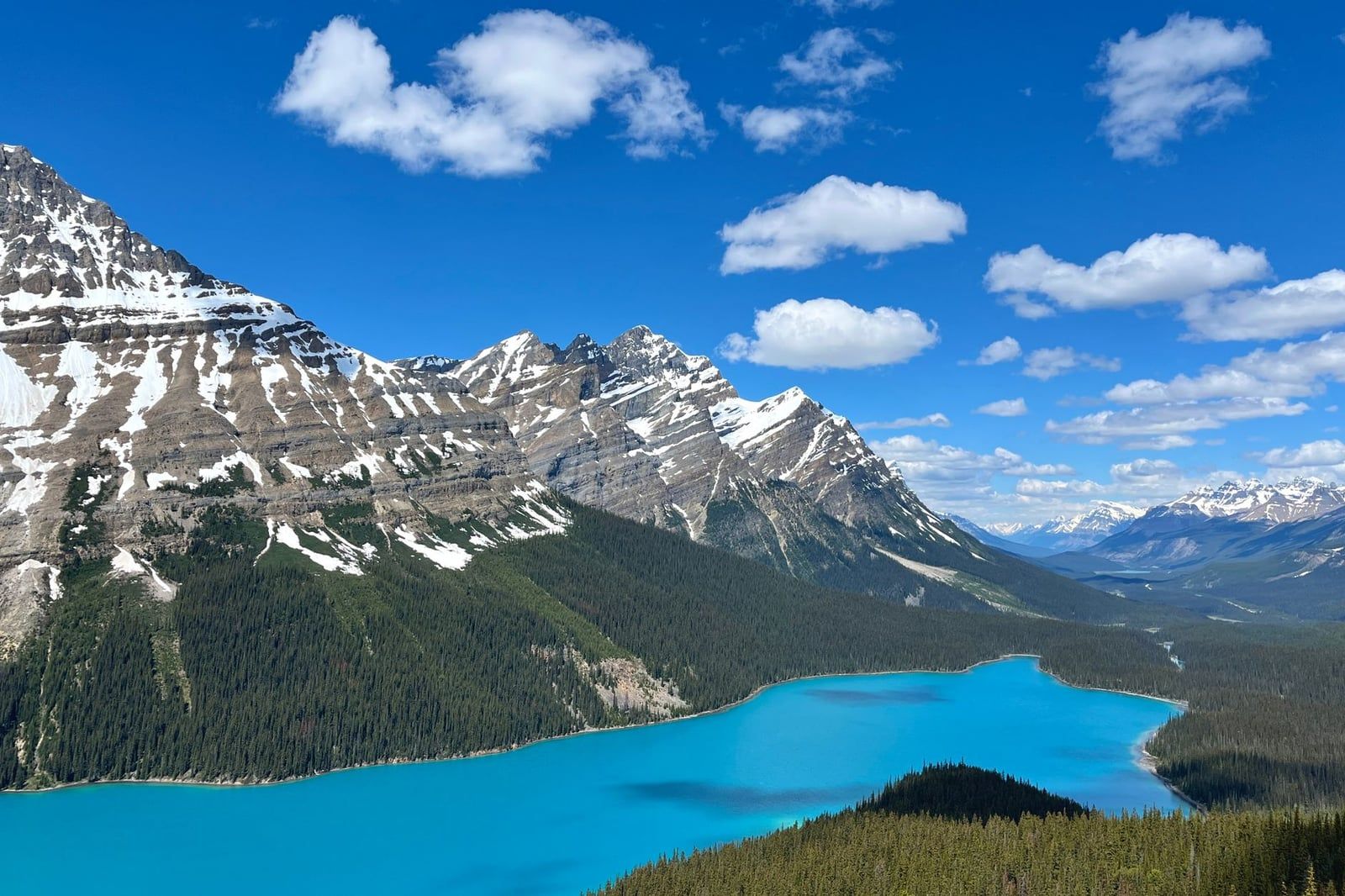
By mid-morning, head north on the Icefields Parkway, a 230 km two-lane road running the Continental Divide between Lake Louise and Jasper. Bow Lake, about 35 minutes up, is a quieter stand-in for Moraine Lake with the same glacier-fed color and far fewer people. Peyto Lake's main viewpoint, another 10 minutes on at Bow Summit, is a short, steep ten-minute paved walk from the parking area - the fox-head shape only reads clearly from up there.
With energy to spare, extend to the Columbia Icefield, where the Ice Explorer tour drives directly onto the Athabasca Glacier - roughly another 90 minutes each way past Peyto Lake. That turns Day 3 into a 10-12 hour day and eats into Day 4's Yoho time, so weigh it carefully.
Most travelers should turn back at Peyto Lake or Bow Lake and save the icefield for a return trip. Head back before dark - the parkway has no cell coverage for most of its length, and wildlife crosses at dusk.
Day 4: A Day Trip to Yoho National Park
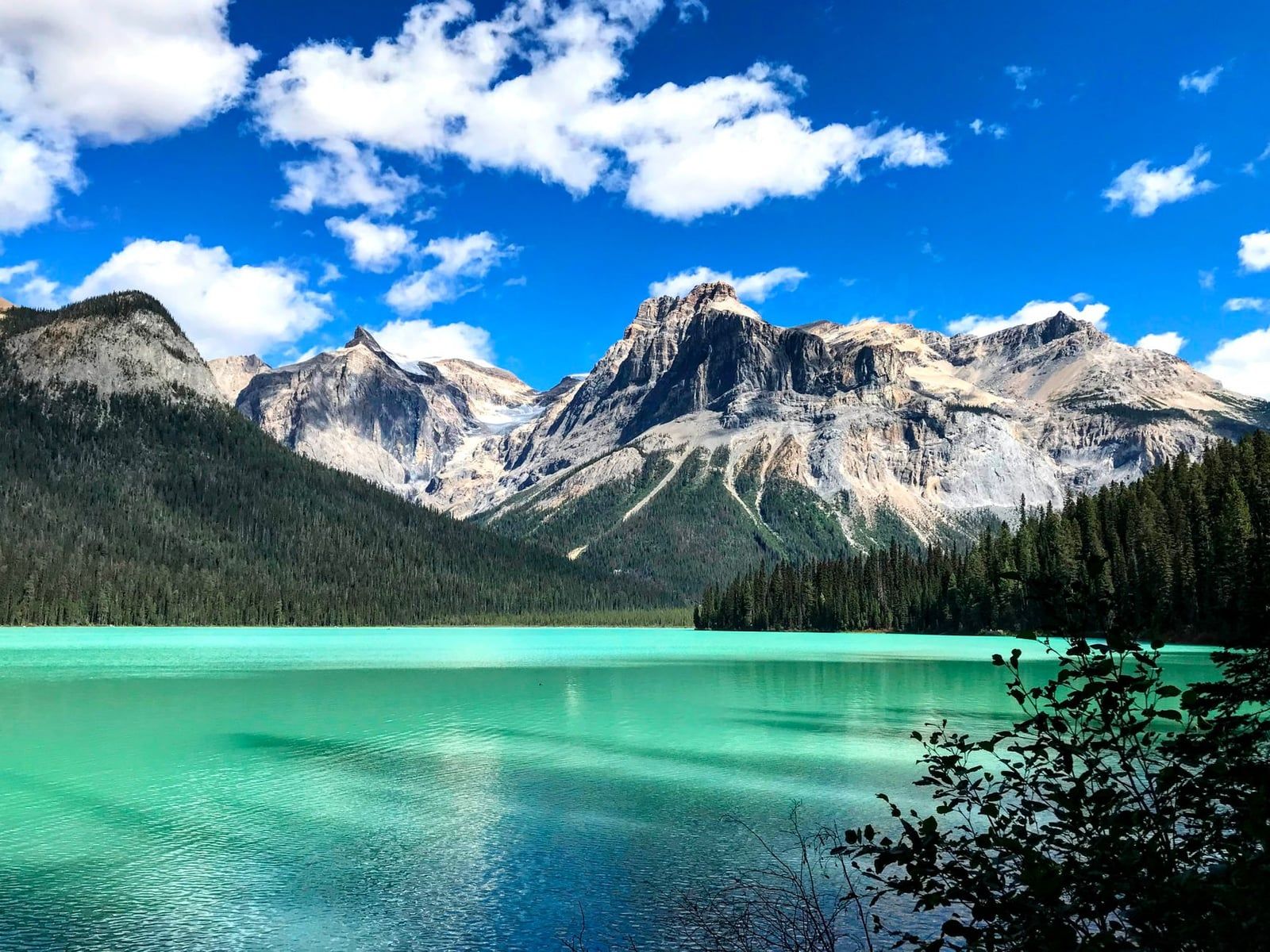
Emerald Lake is about an hour from Lake Louise, just across the BC border in Yoho National Park, and noticeably quieter than Moraine Lake despite a similarly saturated color. The 5 km lakeshore loop takes about ninety minutes at an easy pace. Kayak and canoe rentals run CA$90-100 an hour and can't be booked ahead - show up and queue.
Takakkaw Falls is a short paved walk from its own parking area, about twenty minutes further along the valley. At 381 metres, it's Canada's second-highest waterfall, and the path gets you close enough to feel the spray on a windy day.
Strong hikers with a full day to spare can swap the lakeshore stroll for the Iceline Trail: a roughly 17 km loop (about 5.5 hours) climbing above the treeline to views over the Emerald Glacier, or a shortened 13 km out-and-back to the same high point.
On the way out, the Natural Bridge is a five-minute stop where the Kicking Horse River has cut clean through a limestone ledge - worth the detour, not a special trip on its own. Field, Yoho's tiny park townsite, has a couple of cafes for a late lunch before the drive back.
Day 5: Johnston Canyon, Lake Minnewanka and the Banff Gondola
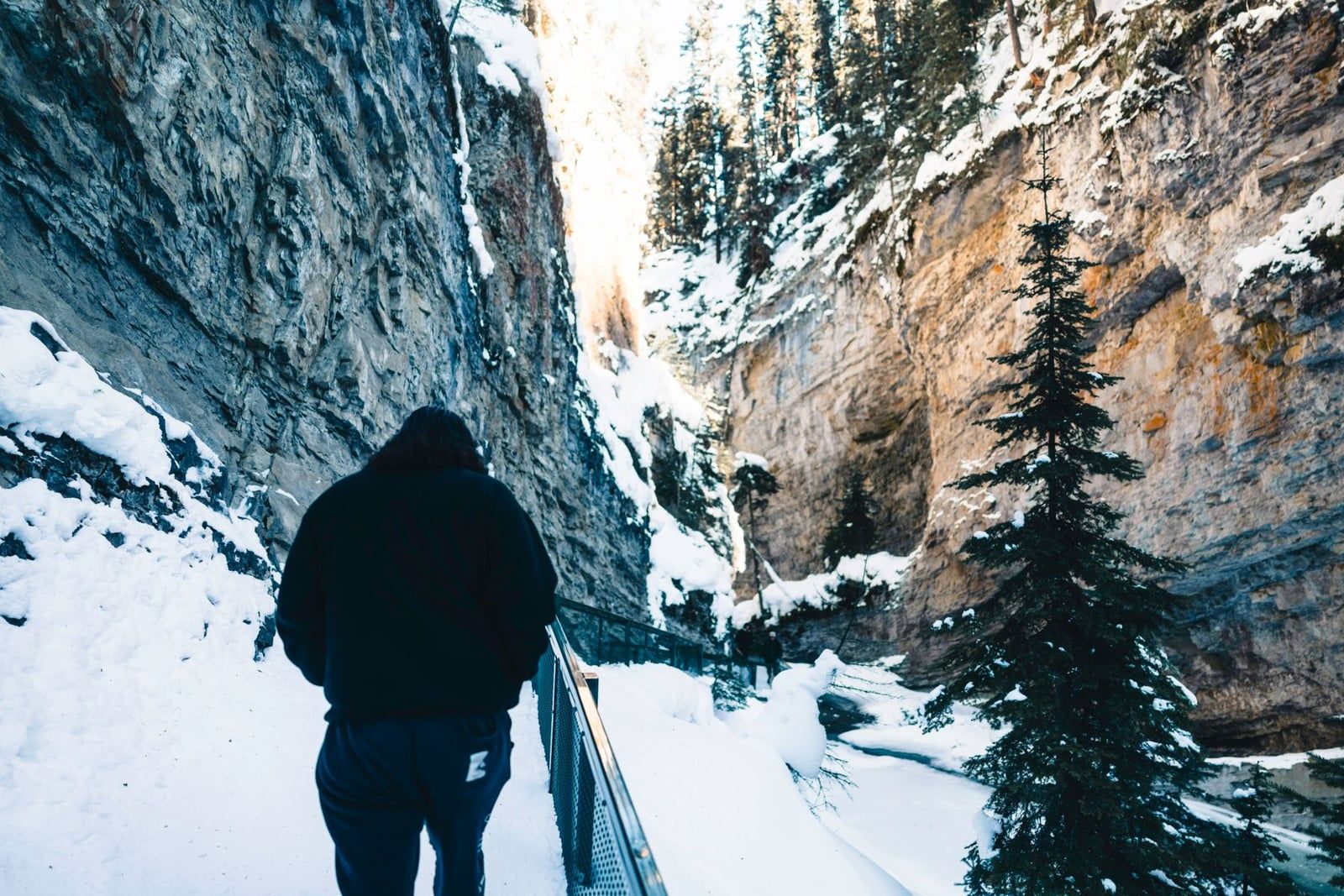
Johnston Canyon needs an early start to beat the catwalk crowds - arrive by 7:30am or wait until after 5pm in summer. The Lower Falls trail is a paved 1.1 km each way; the Upper Falls trail continues another 2.7 km each way with more climbing. Strong walkers can push on to the Ink Pots, cold-water springs 5.8 km beyond the trailhead, where the crowds thin out almost completely.
From the canyon, the Lake Minnewanka Scenic Drive loops past Two Jack Lake and Johnson Lake, both good for a quick swim or a picnic with far fewer people than the big lakes. Minnewanka itself is the park's longest lake at 21 km and 142 m deep, and the only one in Banff National Park where motorized boats are allowed.
A scenic boat cruise on Minnewanka runs through summer and covers the lake's flooded old townsite without any hiking required - a good call if legs are tired from four days of trails.
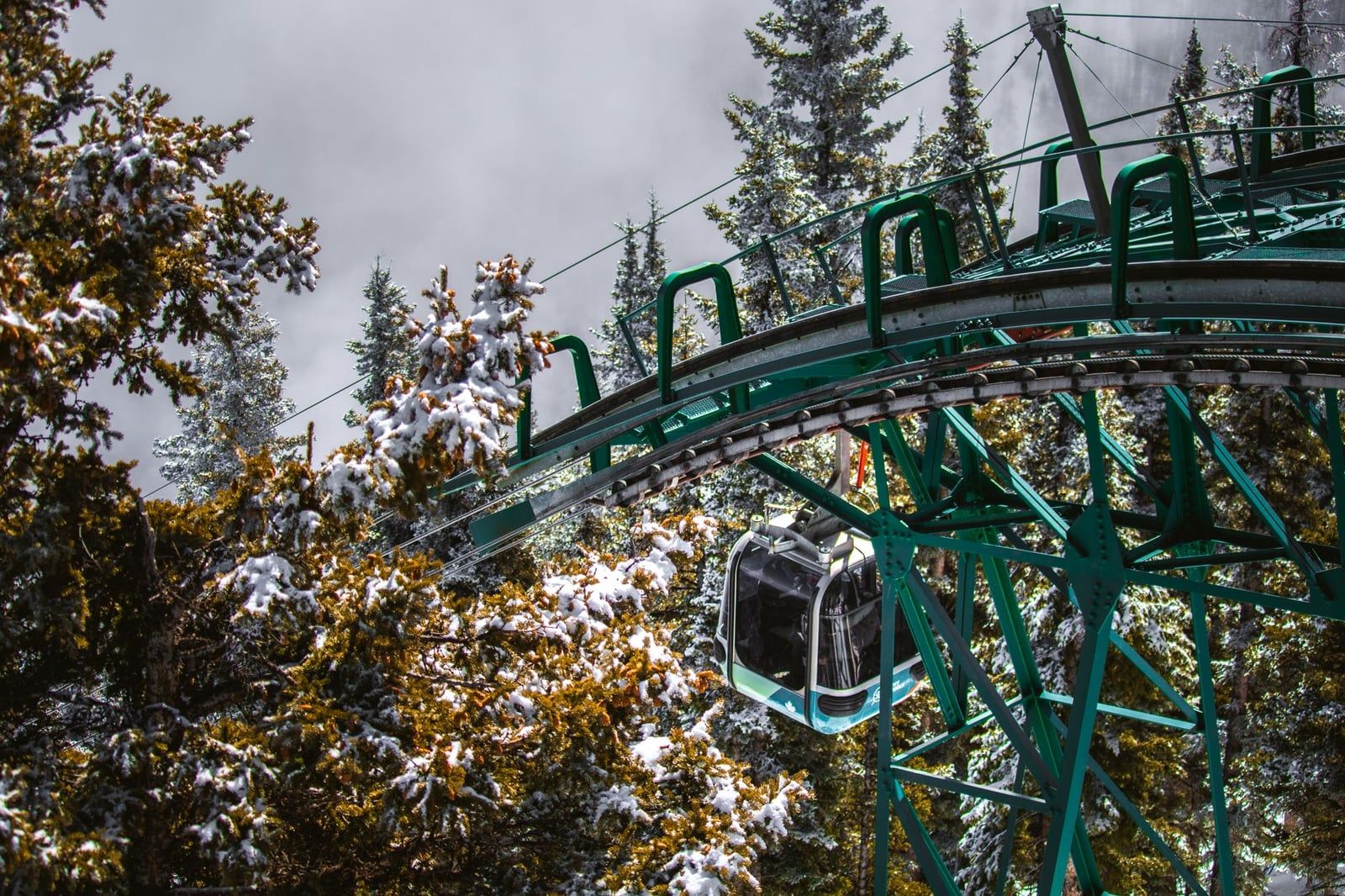
Close the day with the Banff Gondola, which climbs about 2,292 feet up Sulphur Mountain in roughly 8 minutes to a boardwalk over six mountain ranges. Time it for an hour before sunset; Sky Bistro at the summit is the obvious dinner, booked about a month ahead.
Banff Upper Hot Springs, at the mountain's base, is the way to end the trip: mineral pools discovered by railway workers in 1883, admission $19.75 CAD for adults. Sore legs will thank you.
How to Customize This Itinerary
Not keen on crossing into BC? Swap the Yoho day for Canmore: Grassi Lakes, Ha Ling Peak, and a livelier restaurant scene, all 20-25 minutes from Banff. It's an easier day logistically, with less payoff in scenery than Emerald Lake and Takakkaw Falls.
Adventure seekers can swap in Mount Norquay's Via Ferrata, four route options running 2.5 to 6 hours on fixed cables and ladders up exposed rock. A scenic helicopter tour is the other splurge add-on, typically 22-50 minutes with free cancellation up to 24 hours out - good insurance against a socked-in weather day.
Wildlife safety belongs on every day of this trip, not just one section. Carry bear spray on any hike, keep it clipped somewhere reachable, and never approach elk, especially during the fall rut. Full guidance is in our Banff wildlife guide.
This whole script assumes summer hours, roughly May through October, when Moraine Lake Road, the glacier tour and the lakes are open and unfrozen. Visit in winter and the trip changes completely - Moraine Lake Road closes and gets track-set for skiing, and the plan becomes about skiing at Lake Louise or Sunshine Village instead. Our winter guide covers that version.
What 5 Days in Banff Actually Costs
A five-day trip needs either five single-day passes ($61.25 CAD per adult) or the annual Discovery Pass at $83.50 - worth it if you're also stopping in Yoho, since it covers every Parks Canada site for a year and this itinerary crosses into Yoho anyway.
| Budget | Splurge | |
|---|---|---|
| Park pass (5 days) | $61.25 CAD (day passes) | $83.50 CAD (Discovery Pass) |
| Lake Louise, Moraine Lake, Johnston Canyon | Free (on foot) | Same, plus guided options |
| Banff Gondola | Skipped | ~$88 CAD |
| Lake Louise canoe (1 hr) | Skipped | $115.50-178.50 CAD |
| Banff Upper Hot Springs | Skipped | $19.75 CAD |
| Rough total (excl. lodging/food) | ~$65 CAD | ~$310-370 CAD |
The big swings come from three places: guided tours or shuttles (worth it for Moraine Lake, optional everywhere else), one splurge activity like the gondola or a helicopter flight, and where you eat - Sky Bistro runs well above pizza on Banff Avenue. Skip the extras and this is a genuinely affordable five days; add them all and it edges toward a proper splurge trip.
Frequently asked questions
Is 5 days enough time for Banff National Park?
Yes, for a first visit. Five days covers Moraine Lake, Lake Louise, the Icefields Parkway, a full day in Yoho and one real hike without feeling rushed; four to five days is generally the minimum to avoid cramming, while three days only covers the headline sights.
Do I need a car for a 5-day Banff itinerary?
A car is strongly recommended, especially for the Icefields Parkway and the Yoho day trip, since no shuttle covers either route. Roam Transit covers Banff townsite and the Lake Louise corridor well, but Moraine Lake and Lake Louise still need separate shuttle reservations in peak season.
Do I need reservations to see Moraine Lake?
Yes. Since 2023, private vehicles can't drive Moraine Lake Road at all - access is by Parks Canada shuttle, Roam Transit, a guided tour, taxi or bike only.
How much does a Banff National Park pass cost?
A day pass is $12.25 CAD per adult ($24.50 family/group); the annual Discovery Pass is $83.50 CAD per adult ($167.50 family/group) and covers every Canadian national park for a year.
What is the best time of year to do this itinerary?
June through September gives full access to Moraine Lake Road, the Icefields Parkway and every glacier tour. Late spring and early fall trade some closures and colder weather for noticeably smaller crowds.
Should I split my 5 days between Banff and Lake Louise?
Many travelers move hotels partway through the trip to cut driving time to Lake Louise, Moraine Lake and the Icefields Parkway, especially if they're not staying in Banff townsite for the whole trip.
Can I fit the Columbia Icefield or Jasper into a 5-day Banff trip?
The Athabasca Glacier and Columbia Icefield can work as a full-day extension or a turnaround point on the Icefields Parkway, but continuing on to Jasper properly needs extra nights beyond this five-day plan.
Is Yoho National Park worth a full day during a Banff trip?
Yes, for most first-timers. Emerald Lake and Takakkaw Falls sit roughly an hour to ninety minutes from Banff or Lake Louise and are noticeably less crowded than Moraine Lake or Lake Louise.