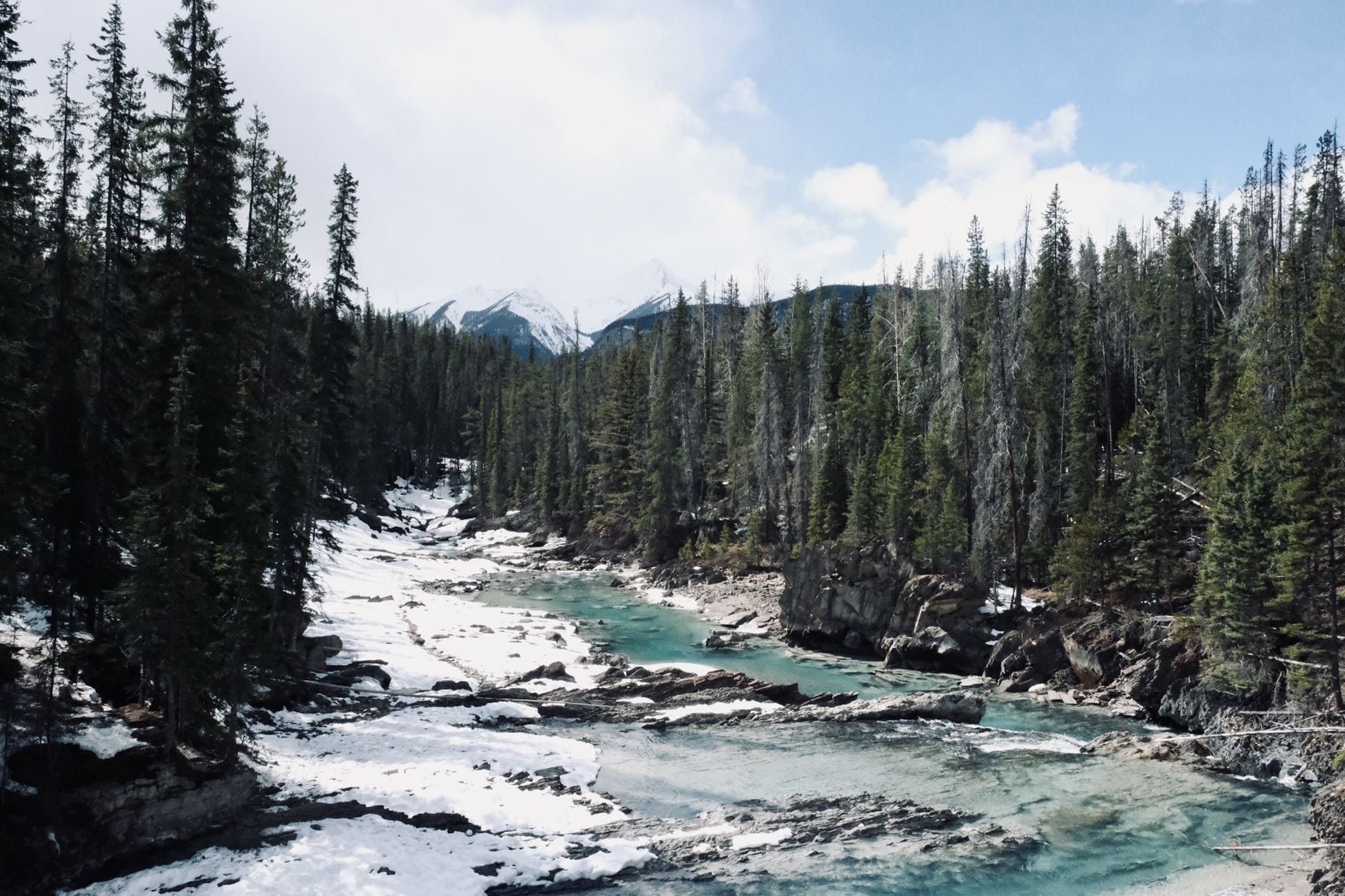
Banff sits about ninety minutes from Calgary; Jasper is a four to four-and-a-half-hour drive from either Calgary or Edmonton. That single fact explains most of the practical difference between these two Rocky Mountain parks. Banff is smaller, busier, and stacked with the turquoise lakes everyone's already seen in photos. Jasper covers nearly double the area, draws roughly half the visitors, and swaps polished viewpoints for backcountry that still feels wild.
Neither park disappoints, but they suit different trips. This guide runs through the numbers that actually matter — distance, cost, crowds, hiking, winter sports — and if you've got six days or more, shows how to link both parks along the Icefields Parkway, the highway connecting Banff and Jasper's townsites.
Banff vs Jasper at a Glance (Comparison Table)
| Metric | Banff | Jasper |
|---|---|---|
| Park size | 6,641 km² | Over 11,000 km² |
| Established | 1885 (hot springs reserve); Rocky Mountains Park 1887 | 1907 (forest reserve); national park 1930 |
| Annual visitors | ~4.5 million (2025) | ~2.5 million |
| Nearest airport | Calgary, ~1.5-2 hrs drive | Edmonton ~4 hrs / Calgary ~4.5-5 hrs |
| Town population | 8,865 | Fewer than 5,000 |
| Best for | Iconic lakes, first-timers, ski variety | Wide-open wilderness, dark skies, fewer crowds |
Location, Size and How to Get There
Fly into Calgary International Airport (YYC) and Banff is about 130 km and 1.5 to 2 hours away by road, whether you rent a car or book a shuttle. Operators like Banff Airporter and Brewster Express run roughly hourly coaches from the terminal straight to Banff hotels for somewhere between CA$67 and CA$86 one way. There's also a budget option: FlixBus and Vivo Green run daily low-cost routes between Calgary and Banff, from around CA$13. See how to get to Banff National Park for the full rundown of routes and timing.
Jasper has no such shortcut. It's roughly four hours from Edmonton International Airport and four-and-a-half to five hours from Calgary, mostly on two-lane highway with long stretches of nothing. The upside: VIA Rail's transcontinental train stops right in downtown Jasper, something Banff can't offer — there's no train station anywhere near it.
Once you're inside either park, getting around looks different too. Banff runs Roam Transit buses between the town, Canmore, and Lake Louise, plus seasonal Parks Canada shuttles out to Lake Louise and Moraine Lake, both wheelchair accessible and worth booking online in advance since summer slots sell out. Jasper has no equivalent shuttle network and only limited public transport, so a rental car matters more if you're basing yourself there.
One rule trips up a lot of first-timers at Moraine Lake: personal vehicles have been banned from the access road year-round. You'll need a shuttle, Roam Transit, or a licensed operator to see it at all, and cars without a reservation get turned away at the junction.
Scenery, Lakes and Signature Attractions
Both parks sit inside the same glaciated mountain belt and the same UNESCO World Heritage Site, so the base material — grey limestone peaks, spruce forest, milky-blue meltwater lakes — looks similar in photos. The individual sights don't.
Banff's Headline Sights
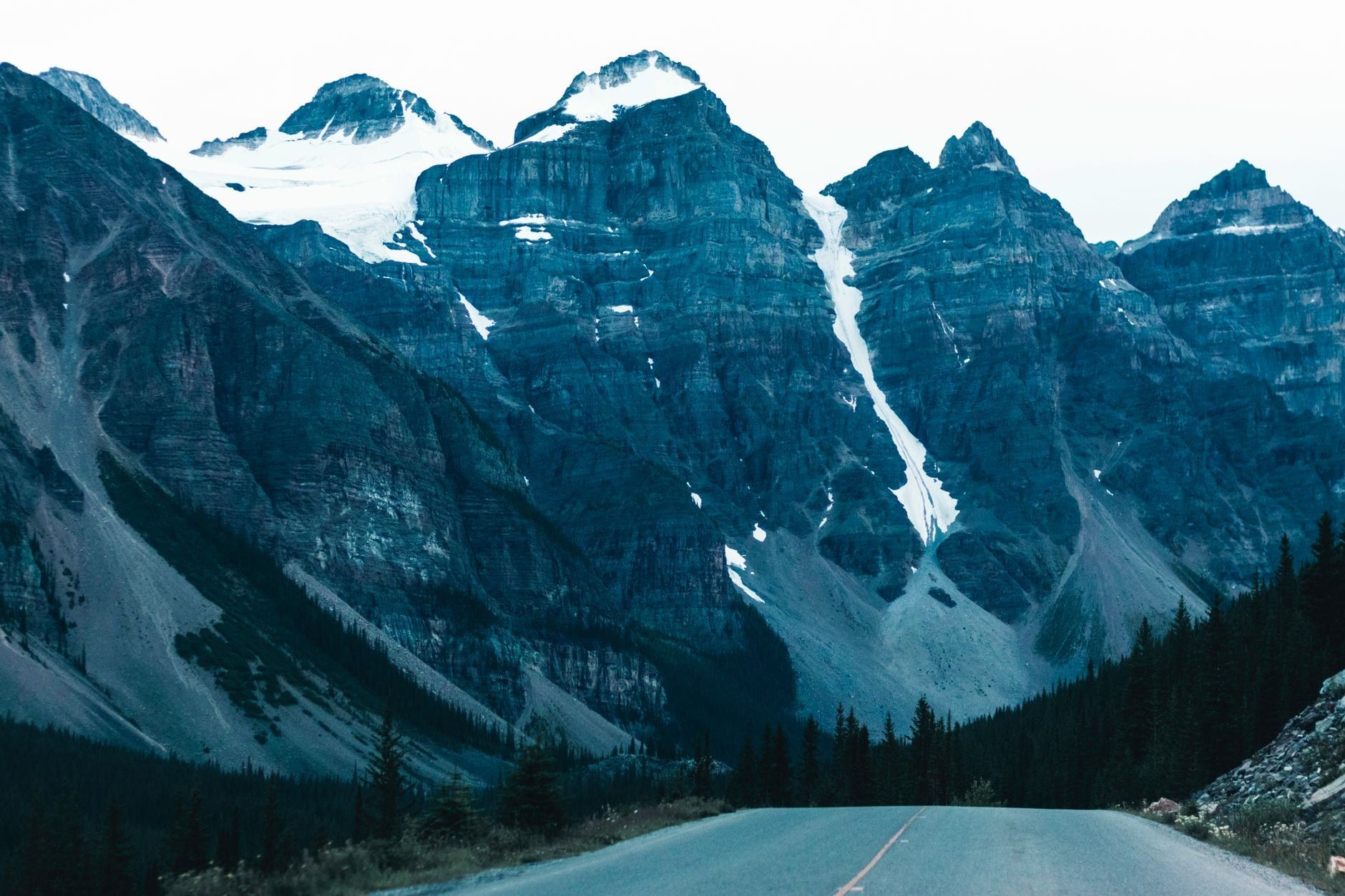
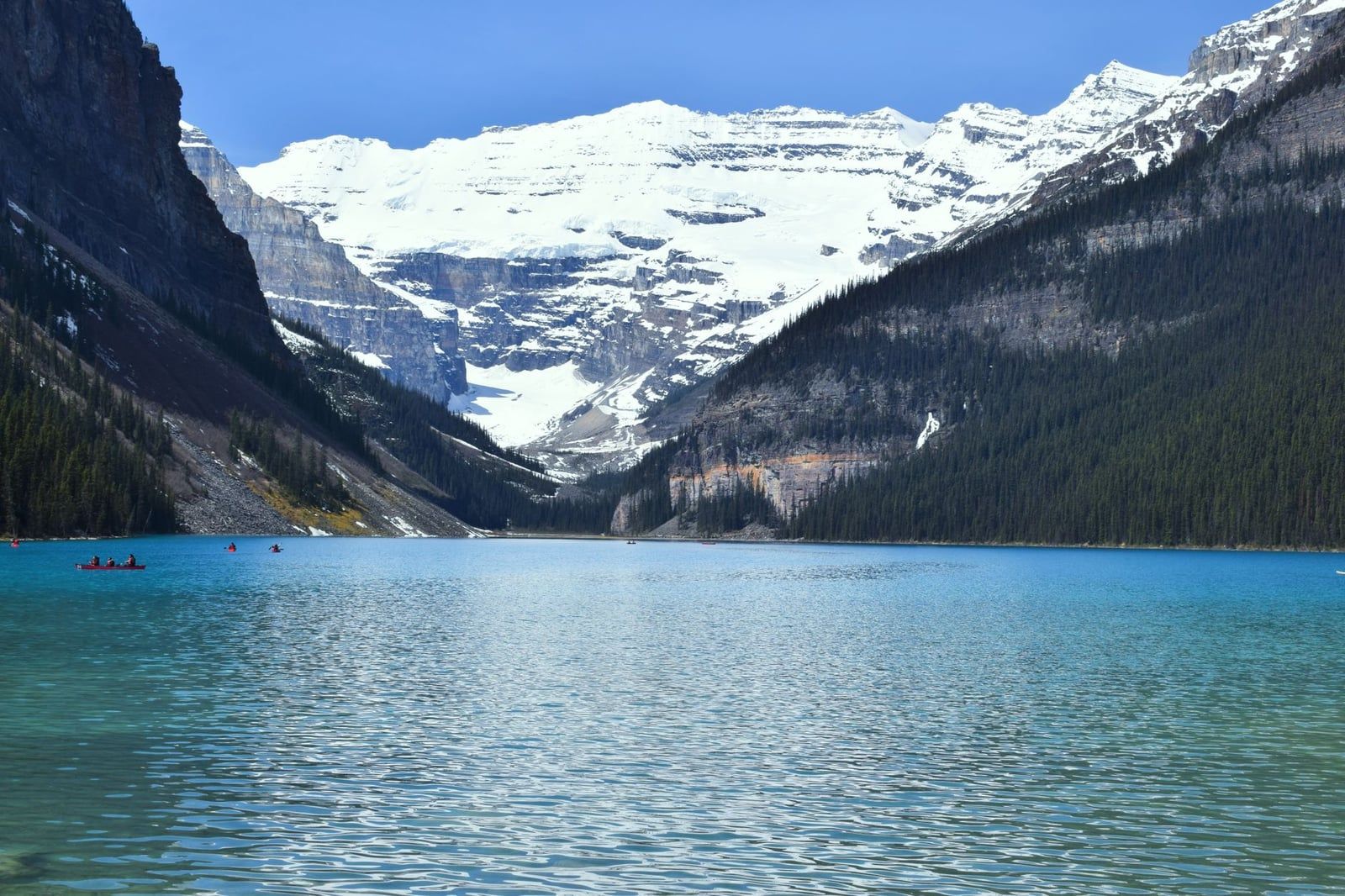
Lake Louise is the park's calling card: turquoise water under the hanging ice of the Victoria Glacier, reachable by a flat 20 to 30-minute lakeshore walk or a steeper climb to the Lake Agnes Tea House (3.4 km, about 400 m of elevation gain) for scones with a view. Moraine Lake, in the Valley of the Ten Peaks, is arguably prettier and definitely harder to reach — personal vehicles are banned from the access road year-round, so it's shuttle, Roam Transit, or a licensed tour only. The short climb up the Rockpile Trail delivers the view once printed on the Canadian $20 bill. Johnston Canyon, 25 km up the Bow Valley Parkway, threads a steel catwalk past the Lower Falls (1.1 km) and Upper Falls (2.7 km), with an optional 5.8 km push to the cold-water Ink Pots.
The Banff Gondola hauls you up Sulphur Mountain in about eight minutes to a boardwalk at 2,281 m, with six mountain ranges spread out below. At the mountain's base, the Upper Hot Springs let you soak in the mineral water railway workers found in 1883 — the discovery that got Banff declared a park in the first place. For lake views without the crowds, skip Louise and Moraine for a morning at Bow Lake or Peyto Lake, both further up the Icefields Parkway.
Jasper's Headline Sights
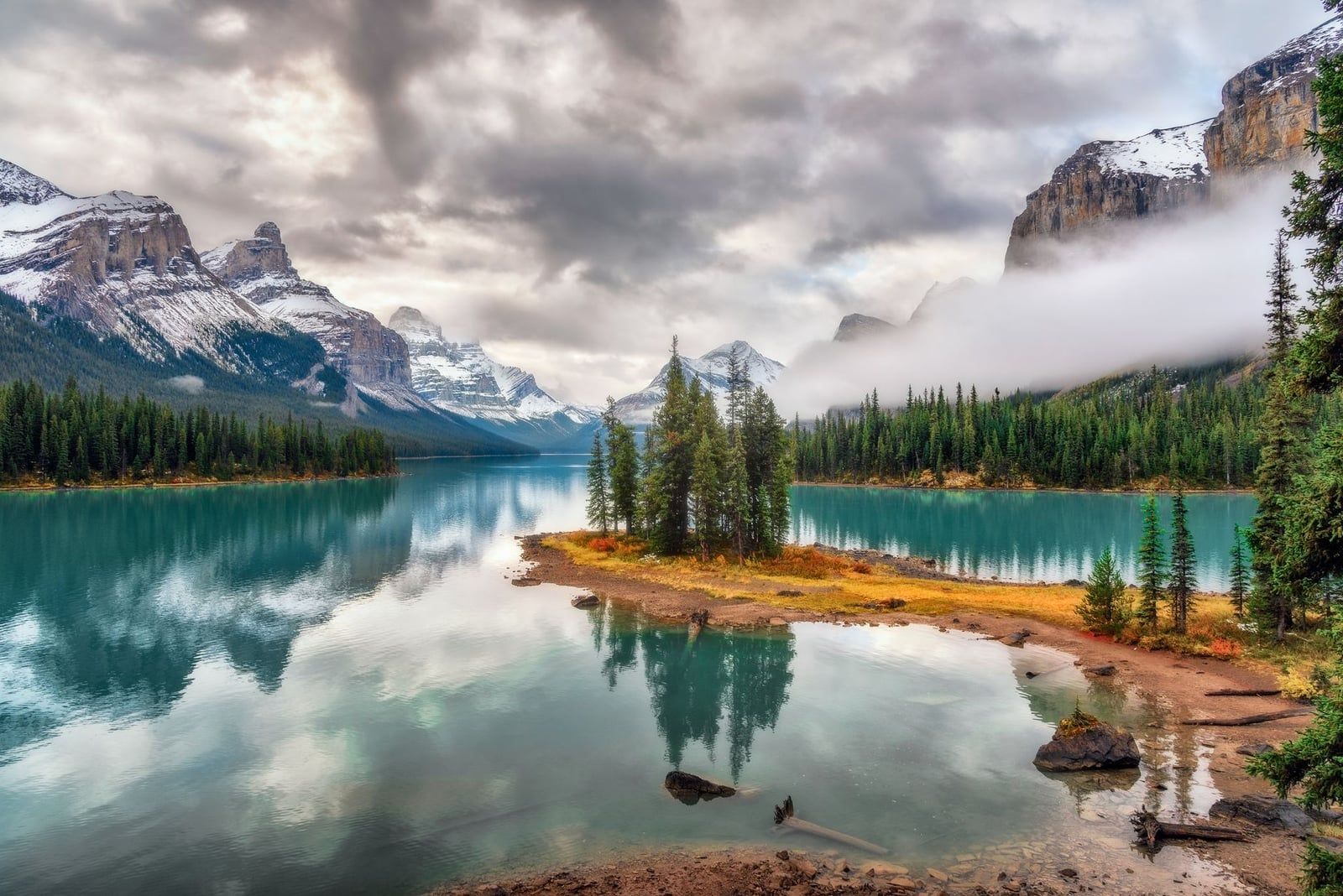
Jasper's headline sight is the Columbia Icefield, one of the largest icefields in North America, where you can walk onto the toe of the Athabasca Glacier or ride an Ice Explorer vehicle onto the ice itself. Maligne Canyon cuts more than 49 metres deep in places, a limestone slot canyon you cross on a series of bridges. Further along, Maligne Lake is the launch point for boat trips to Spirit Island, and Athabasca Falls drops about 24 metres through a narrow gorge — smaller than Niagara, but loud enough up close to make conversation difficult.
The Jasper SkyTram climbs Whistlers Mountain for views that rival Banff's gondola, and Miette Hot Springs, open roughly May through October, are the hottest springs in the Canadian Rockies. Sunwapta Falls, a short walk off the Icefields Parkway, is worth the ten-minute detour on the drive between the two icefields' viewpoints.
Both parks have quieter neighbors worth a detour. From Lake Louise, it's a 30 to 40-minute drive into Yoho National Park for Emerald Lake and Takakkaw Falls, or southeast into Kananaskis Country for trails that don't need a shuttle reservation. Jasper's equivalent is Mount Robson Provincial Park, just over the British Columbia border and home to the highest peak in the Canadian Rockies.
Hiking and Outdoor Activities
Banff wins on sheer volume and access: more than 1,600 km of maintained trail, much of it well-graded for varying fitness levels, plus two teahouse hikes Jasper simply doesn't have. Lake Agnes and the Plain of Six Glaciers both end at a working teahouse serving tea and baked goods with no road access — pack cash, since neither takes cards.
Jasper's trails run longer and emptier. The Skyline Trail is a 44 km high-alpine traverse usually done over two days; Tonquin Valley threads past the Ramparts peaks to Amethyst Lake; Sulphur Skyline climbs to a fire lookout over the whole Miette valley. Parts of Jasper's forest still show scars from a mountain pine beetle outbreak and the 2024 wildfire, so check trail bulletins before you go — some routes close for restoration work. For trail-by-trail detail, our guide to Banff's best hikes breaks it down by region and difficulty.
Wildlife viewing tips toward Jasper. It's less crowded, so elk, moose, and bears show up closer to roads and townsites than they typically would in Banff's busier corridors. Both parks host the same cast — elk, black and grizzly bear, deer, moose, wolves — and both demand the same caution: bear spray, groups, noise on blind corners. Our Banff wildlife guide covers where and how to look safely, and a guided wildlife tour beats driving slowly and hoping.
Paddling favors Banff for convenience — canoe rentals sit right on Lake Louise and Moraine Lake's shorelines, and Lake Minnewanka runs scenic boat cruises with regular bighorn sheep sightings along the loop road. Jasper's Maligne Lake and Pyramid Lake offer the same still-water paddling with far fewer people waiting for a canoe. If you'd rather be guided than rent, canoe tours run out of Banff through summer.
Crowds, Cost and Atmosphere
Banff's 4.5 million annual visitors outnumber Jasper's roughly 2.5 million by nearly two to one, and it shows most at Lake Louise and Moraine Lake, where parking lots fill within an hour of sunrise in peak summer and cost up to $42 a day when they're not already full. Jasper's pinch points — Maligne Lake, the Icefield Centre — get busy too, but nothing like Banff's July gridlock.
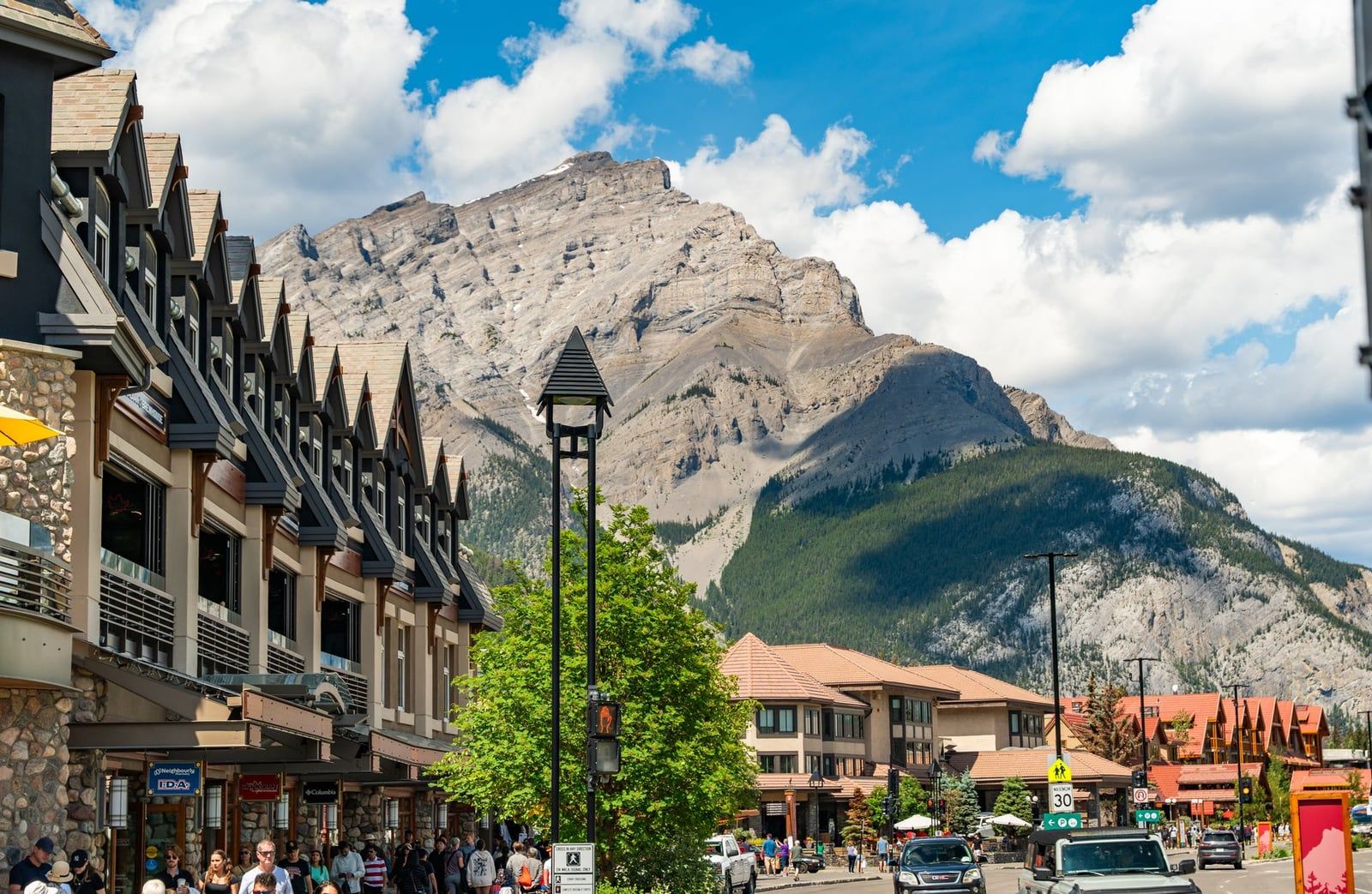
The townsites match their parks. Banff has about 8,865 residents and looks it: boutique shops, a casino, a piano bar, and the grand Fairmont Banff Springs Hotel anchoring the scene. Jasper's townsite holds fewer than 5,000 people and stays low-key, a handful of blocks of local outfitters, diners, and pubs, closer to a working mountain town than a resort.
Cost differences are real but modest. Jasper tends to run slightly cheaper for hotel rooms and restaurant meals, but both are premium mountain destinations in peak season, and neither is a budget trip. Groceries and gas cost roughly the same in both, since everything travels a similar distance from Calgary or Edmonton to get there.
Jasper is also still recovering. A wildfire in July 2024 burned more than 32,000 hectares and destroyed 358 of the townsite's 1,113 structures. As of the latest rebuild tracker, 16 have been rebuilt and 75 more are under construction. The fire barely touched the park's actual landscape — the trails, lakes, and Icefields Parkway sights that draw visitors are untouched and running as normal. Book Jasper the way you would any year; just expect some construction noise in town.
Winter: Skiing and Cold-Weather Activities
Banff has three ski resorts — Sunshine Village, Lake Louise Ski Resort, and Mt. Norquay — against Jasper's one, Marmot Basin. Snowfall favors Banff too: Marmot gets around 300 cm a season, roughly half what Sunshine Village records most years. If ski variety and terrain choice matter, Banff wins outright.
Both parks turn their canyons into ice-walk routes each winter. Johnston Canyon's frozen waterfalls draw crampon-clad groups past the same catwalks used in summer; Jasper's Maligne Canyon Ice Walk does the same through a deeper, narrower slot. Both also groom lake ice for skating — Lake Louise's rink sits right in front of the Fairmont, postcard views included.
Moraine Lake Road closes to all traffic every winter for avalanche control, then gets track-set for cross-country skiing once it's safe. Chasing winter photos of that lake specifically means you're out of luck between roughly October and June — Lake Louise itself stays open and frozen over instead.
Should You Visit Both? How to Split Your Time
Five to eight days is the realistic minimum to see both parks without spending the whole trip driving. Much less than that and you'll spend more time in the car than on a trail.
- 5 days: 2 in Banff/Lake Louise, 1 driving the Parkway, 2 in Jasper.
- 7 days: 3-4 in Banff/Lake Louise, 1 on the Parkway, 2-3 in Jasper.
- 10 days: 4-5 in Banff/Lake Louise/Yoho, 1-2 on the Parkway, 3-4 in Jasper.
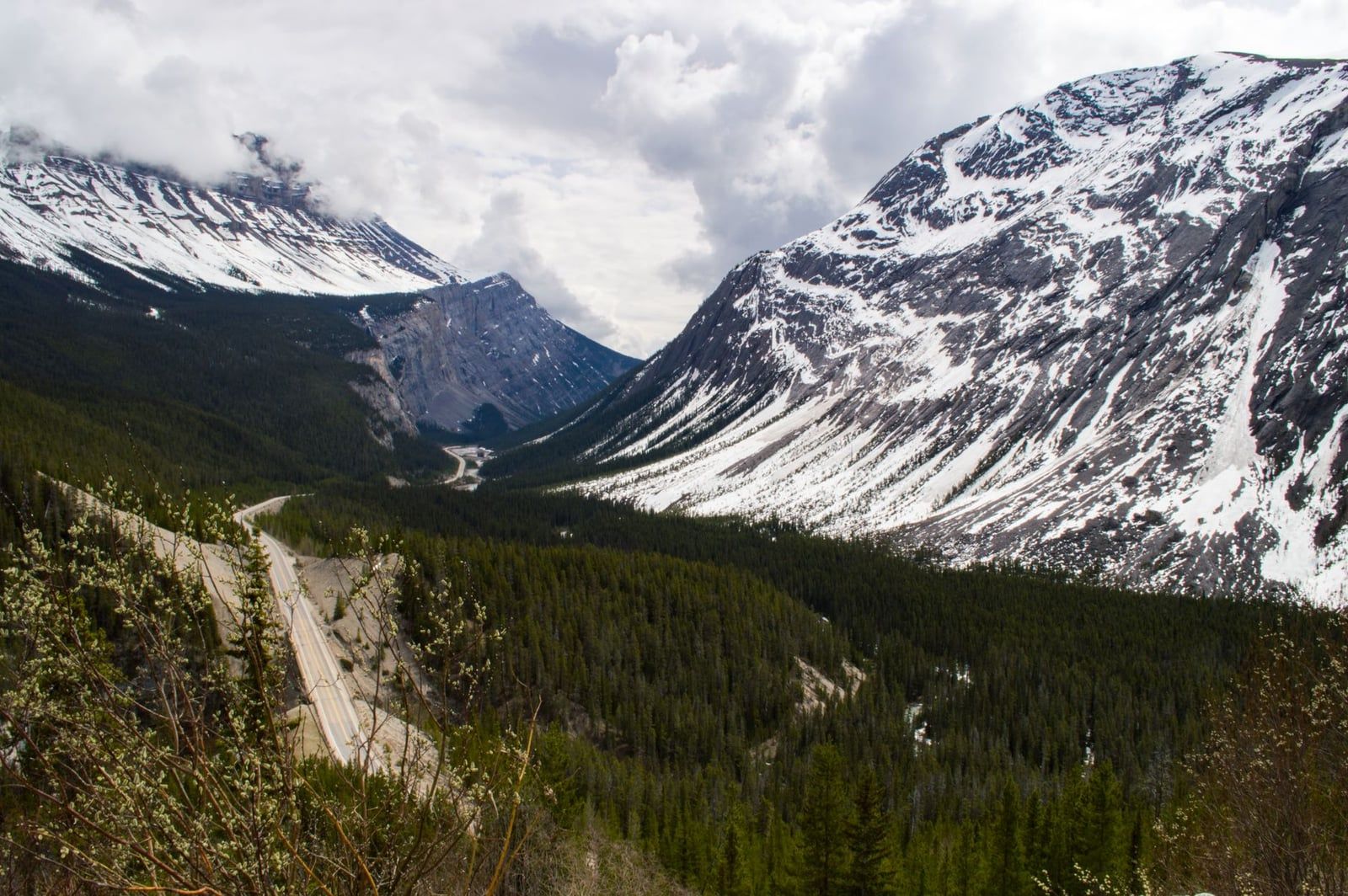
The Icefields Parkway (Highway 93N) is the connecting route, running about 230 km from Lake Louise to Jasper, roughly 3.5 to 4 hours without stops, though nobody drives it without stops. Fill up on gas and cash before you leave, since cell coverage disappears for most of the drive and there's only one fuel stop along the way. A guided hiking tour can build in stops at Peyto Lake, Bow Lake, and the glacier without you having to plan the logistics yourself.
Which airport to fly into depends on your route. Starting and ending in Calgary means driving the Parkway both ways, which is doable but long. Flying into Calgary and out of Edmonton, or the reverse, turns the trip into a one-way drive through both parks — the cleaner option if your itinerary allows an open-jaw flight.
Verdict: Which Should You Choose?
Boiled down, the choice comes down to time, priorities, and how you're arriving.
| Banff | Jasper | |
|---|---|---|
| First-time visitor | Best choice — easier access, iconic lakes, more amenities | Fine, but Banff covers the essentials faster |
| Avoiding crowds | Busy most of summer, especially July-August | Noticeably quieter, even in peak season |
| Skiing | Three resorts, deeper average snowfall | One resort (Marmot Basin), lighter snow |
| Stargazing | Town lighting limits dark-sky viewing | Sits within a major Dark Sky Preserve |
| Long backcountry hikes | Shorter routes, several with teahouses | Longer, wilder routes like Skyline and Tonquin Valley |
| Arriving by train | No VIA Rail station | VIA Rail stops in the townsite |
Choose Banff if you've got three or four days, you're flying into Calgary, and you want the classic Rockies shots without much planning — guided day tours make that even easier. Choose Jasper if you'd rather have fewer people between you and the view, want to see the Milky Way on a stargazing tour, or you're arriving by train. With six days or more, don't pick one — the Icefields Parkway makes seeing both a realistic single trip, not two separate vacations.
Frequently asked questions
Is Banff or Jasper better for a first-time visitor?
Banff, for most first-timers. It's about ninety minutes closer to a major airport, packs Lake Louise and Moraine Lake into a compact area, and has more infrastructure for people who haven't planned a Rockies trip before.
Can you visit both Banff and Jasper in one trip?
Yes. The Icefields Parkway connects the two townsites in roughly 3.5 to 4 hours, and a common one-week split is 3-4 days in Banff and Lake Louise, a day driving the Parkway, and 2-3 days in Jasper.
Which is less crowded, Banff or Jasper?
Jasper. It draws about 2.5 million visitors a year against Banff's roughly 4.5 million, and that gap is obvious at popular viewpoints and on the roads in July and August.
Is Jasper cheaper than Banff?
Slightly. Jasper's hotels and restaurants tend to run a bit lower than Banff's, but the gap is modest — both are premium mountain-town destinations in peak season.
How far is Jasper from Banff?
About 287 km, a 3.5 to 4.5-hour drive along the Icefields Parkway, a highway that cuts through glacier country the whole way.
Is Jasper National Park still open after the 2024 wildfire?
Yes. The fire destroyed 358 of the townsite's 1,113 structures, but most of the park's landscape was untouched. The park operates normally for visitors while the townsite continues rebuilding, with 16 structures rebuilt and 75 under construction as of the latest tracker.
Which park is better for skiing, Banff or Jasper?
Banff, with three resorts — Sunshine Village, Lake Louise, and Mt. Norquay — against Jasper's single resort, Marmot Basin, which also gets roughly half the snowfall of Banff Sunshine.
Which national park has better wildlife viewing, Banff or Jasper?
Jasper, generally, simply because it's quieter. Elk and moose show up closer to roads and the townsite than they typically do in Banff's busier corridors, though both parks host the same range of species.
Sources
- en.wikipedia.org/wiki/Banff_National_Park
- en.wikipedia.org/wiki/Moraine_Lake
- en.wikipedia.org/wiki/Mount_Forbes
- parks.canada.ca/pn-np/ab/banff/visit/tarifs-fees
- parks.canada.ca/pn-np/ab/banff/visit/installations-facilities
- parks.canada.ca/pn-np/ab/banff/info/gestion-management/involved/plan/2025
- jasper.travel/wild-fire
- cbc.ca/news/canada/edmonton/jasper-rebuild-update-infrastructure-year-and-a-half