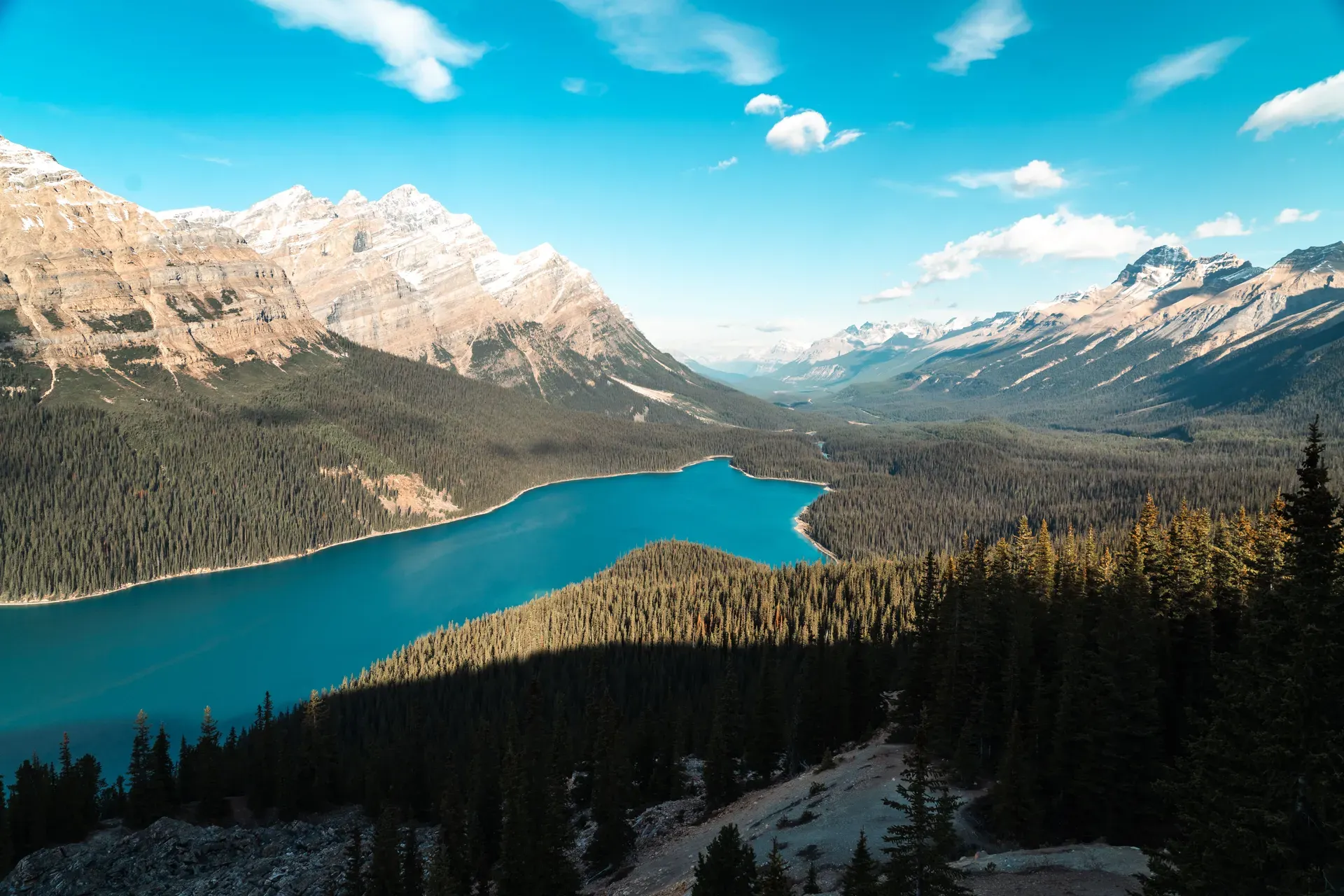
Four days is the sweet spot for a first Banff trip: enough time to hit Lake Louise, Moraine Lake, Johnston Canyon and the Icefields Parkway without spending half the trip driving between them. This plan splits those four days into two bases — Banff or Canmore for the first two nights, then Lake Louise for the last two — so you're not fighting a 45-60 minute drive just to reach the next trailhead.
What follows is a day-by-day route built around how the roads and shuttles actually work now, including the fact that Moraine Lake Road is closed to personal vehicles year-round. Book the logistics early and the itinerary runs itself.
Is 4 Days Enough for Banff? What to Expect
Four days covers the park's core loop: Banff townsite, Lake Minnewanka, Johnston Canyon, the lower Icefields Parkway, Moraine Lake and Lake Louise. It doesn't stretch comfortably to Jasper National Park, a further 230 km up the Icefields Parkway from Lake Louise, or to a full day in neighboring Yoho National Park. If Jasper's on your list, look at a 5-day itinerary instead, or check our Jasper vs Banff guide before you add extra driving days.
The two-base structure below isn't a lodging quirk. Lake Louise and Moraine Lake sit roughly 45-60 minutes from Banff townsite, and doing that drive twice in one day eats hours you'd rather spend on a trail. June through September gives the longest daylight and full access to the Parkway; late September adds golden larch trees around Lake Louise with noticeably thinner crowds than midsummer. April and November are the low points — expect closed high-elevation trails and unpredictable weather, and this itinerary works better scheduled around them.
Before You Go: Car Rental, Park Pass & Shuttle Reservations
Most travelers fly into Calgary International Airport, about 130 km east, a 1.5 to 2 hour drive on the Trans-Canada Highway. Renting a car there gives you the flexibility this itinerary needs, especially for the Icefields Parkway, which no shuttle covers start to finish. Prefer not to drive? Coaches run direct from Calgary to Banff hotels for roughly CA$67-86 one way, and Roam Transit connects Banff, Canmore and Lake Louise once you're there. Our directions and transport guide breaks down every route and operator.
Every vehicle stopping inside the park needs a valid pass. A daily adult pass costs CA$12.25, seniors pay $10.75, youth 17 and under are free, and a family or group of up to seven in one vehicle pays $24.50. Combining this with Jasper, Yoho or Kootenay? The annual Discovery Pass at $83.50 pays for itself in about a week. Full current pricing is on our hours and fees page.
Moraine Lake Road has been closed to personal vehicles year-round since 2023. Drive up expecting to park and you'll be turned away at the checkpoint. From June to mid-October the lake is reachable only by Parks Canada shuttle, Roam Transit's Lake Louise Express (about $10 each way, kids 17 and under free), or a licensed commercial operator; only registered Moraine Lake Lodge guests can drive in. Parks Canada shuttles run roughly every 20-30 minutes from about 6:30am to between 6 and 7:30pm through the season, connecting Banff and the Lake Louise Park and Ride to both lakes on a single reservation.
Lake Louise's own lakeshore parking lot fills by around 6:30-7am in July and August, so driving straight there isn't really an option either. Book your shuttle reservation the moment the booking window opens, typically months before summer — early-morning departures go first. A short pre-trip checklist covers the essentials:
- Reserve Parks Canada shuttle seats to Moraine Lake and Lake Louise months ahead
- Buy or confirm your daily park pass before arrival
- Book a rental car if you plan to drive the Icefields Parkway yourself
- Download offline maps — cell coverage drops out along most of the Parkway
Where to Stay: Banff, Canmore, or Lake Louise
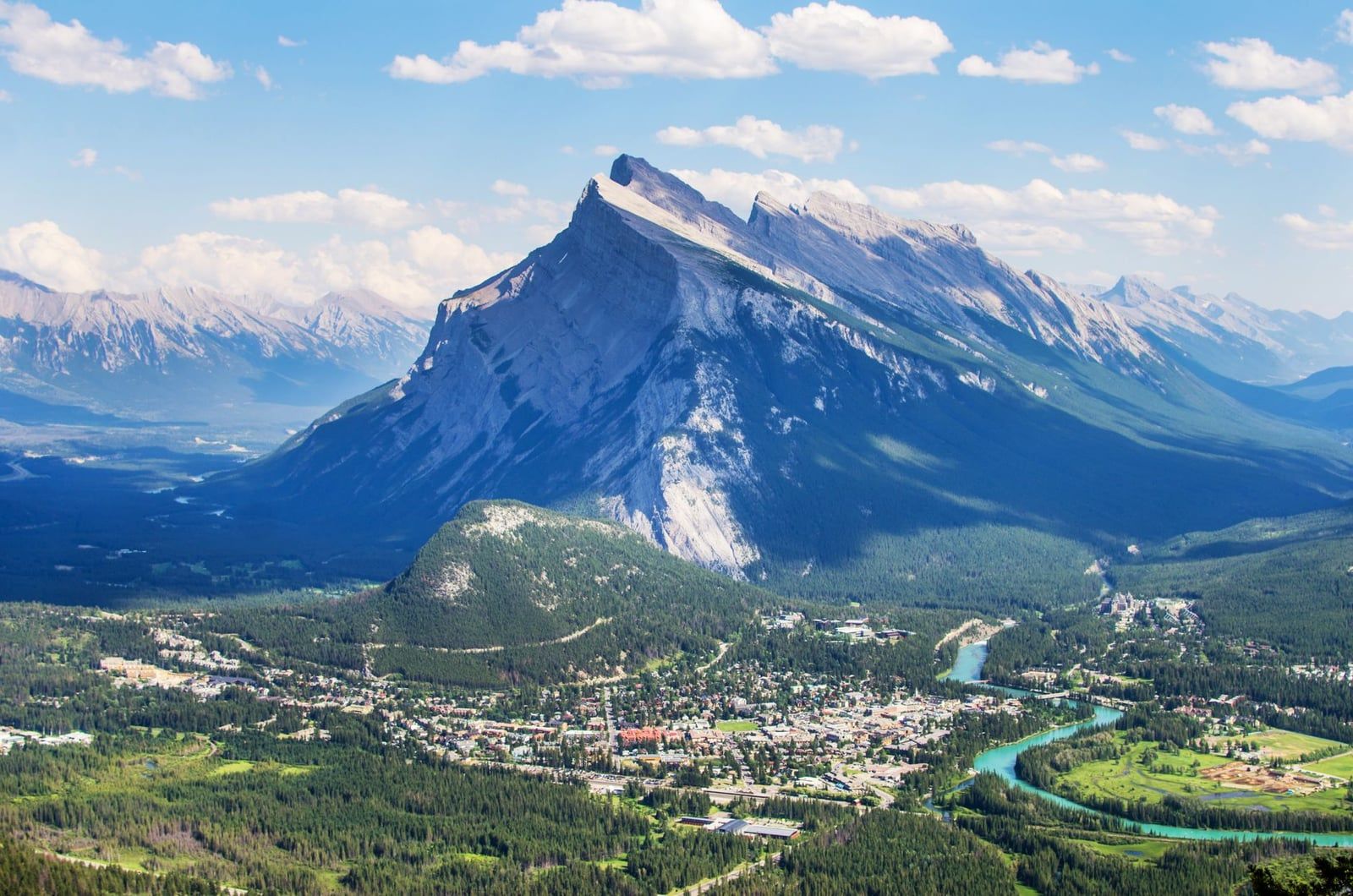
Banff townsite puts you within walking distance of restaurants, the Bow River pathway and the gondola base station, but rooms book up fast and prices climb every summer. It's the easiest base for days 1 and 2 if you don't want to drive after dinner.
Canmore sits about 20-25 minutes southeast of Banff, just outside the park boundary, with lower rates and a quieter, more local feel. The trade-off is an extra chunk of driving added to every trip into the park — manageable on Day 1, less appealing on Day 2's early Johnston Canyon start.
Lake Louise itself has only a handful of hotels and they're expensive, but for days 3 and 4 the location erases the 45-60 minute drive from Banff and gets you to the shuttle depot ahead of the 6:30am parking rush. For a fuller comparison of neighborhoods and price points, see our guide to where to stay in Banff.
| Base | Drive to Lake Louise | Best For |
|---|---|---|
| Banff townsite | 45-60 min | First two nights, walkable dining, gondola access |
| Canmore | 60-75 min | Budget-conscious travelers, quieter evenings |
| Lake Louise | On-site | Last two nights, early shuttle departures |
Day 1: Banff Townsite, Bow Falls & Lake Minnewanka
Ease into the trip with an orientation day that mixes easy townsite sights with a short scenic drive, saving the big hikes for tomorrow.
Downtown Banff and Bow Falls
Start on Banff Avenue, where mountain views bookend the street in both directions. Walk the Bow River pathway to Surprise Corner for the classic view of the Fairmont Banff Springs Hotel above the river, then continue to Bow Falls, about a five-minute walk from the Fairmont or roughly 45 minutes on foot from downtown. The falls aren't tall, but the volume crashing over the wide limestone shelf is worth the detour before lunch.
Banff Gondola (Optional)
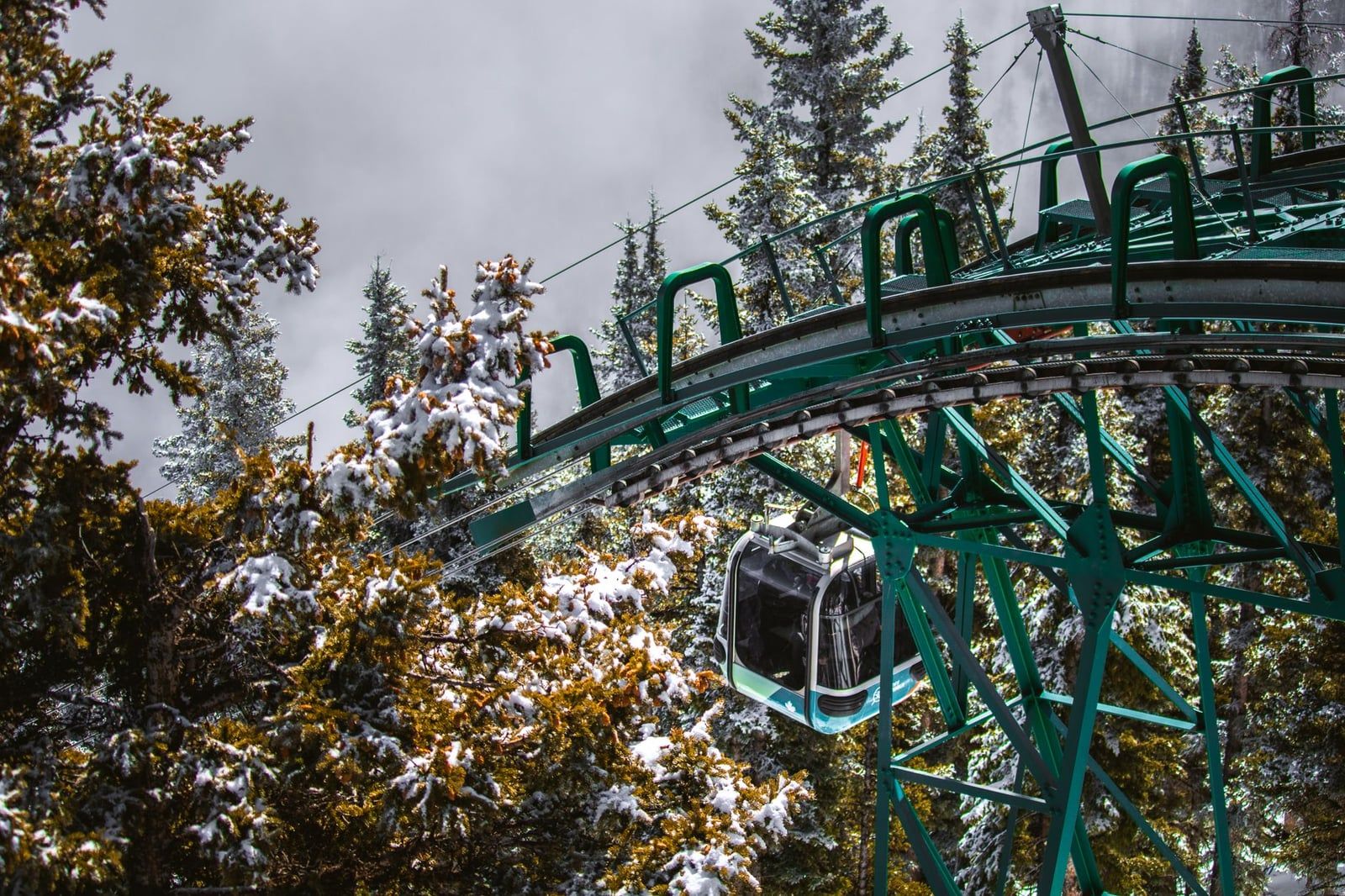
The Banff Gondola climbs Sulphur Mountain in about eight minutes to a boardwalk at 2,281 meters, with views across six mountain ranges. Round-trip tickets run roughly CA$56-60 per person — steep for a short ride, but it's the only spot on Day 1 that gets you above the treeline without a hike. Skip it if the budget's tight; you'll see comparable alpine views for free later on the Icefields Parkway.
Lake Minnewanka Loop
In the afternoon, drive the short loop east of town to Lake Minnewanka, the park's longest lake at about 21 km, and Two Jack Lake next door. Bighorn sheep graze along the loop road often enough to keep a camera within reach, and a lakeshore walk at Minnewanka's day-use area stretches your legs after the gondola queue. Boat cruises run from the dock if you'd rather be on the water than looking at it.
Sunset: Mount Norquay or Vermilion Lakes
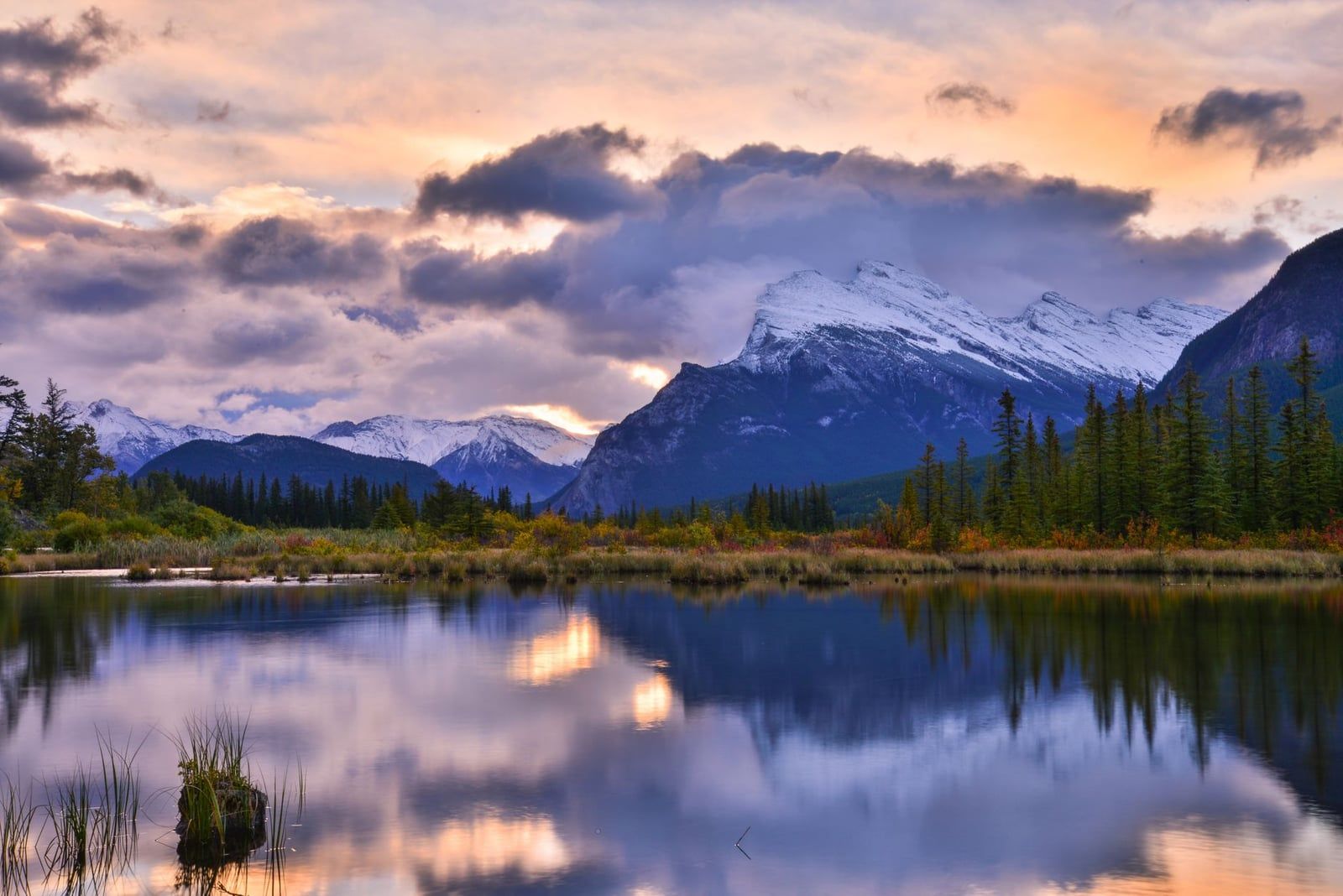
Close the day at the Mount Norquay viewpoint for a high look back over the Bow Valley, or head to the Vermilion Lakes just west of downtown for reflections of Mount Rundle on calm water. Both are five to ten minutes from downtown Banff — pick based on which direction the sky looks better that evening. Dinner in town after either one.
Day 2: Johnston Canyon & the Icefields Parkway
This is the moderate driving day, pairing an early canyon hike with the most scenic stretch of the Icefields Parkway.
Johnston Canyon at Sunrise
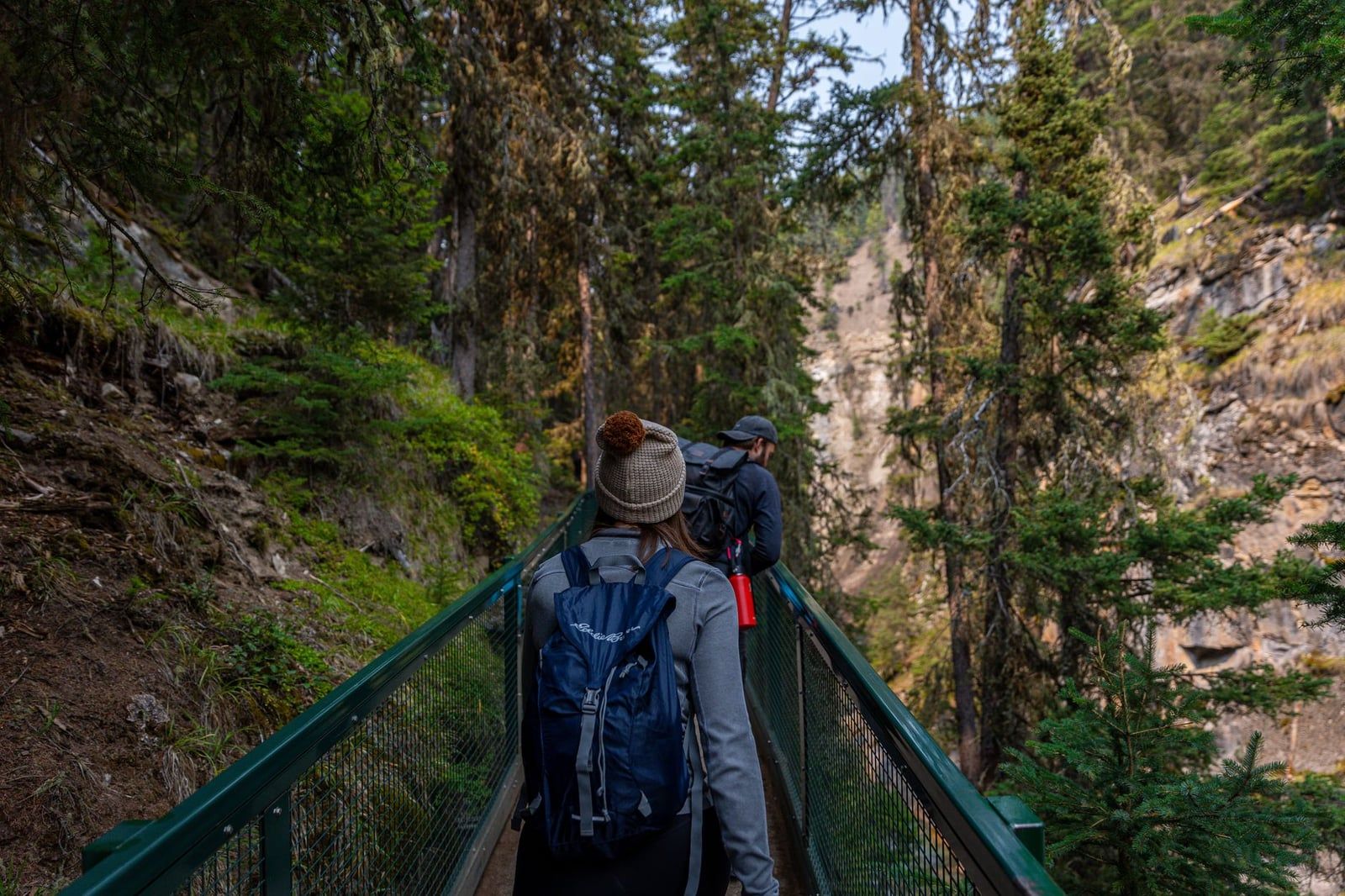
Arrive before 8am, both for the light and to beat the tour buses that fill the lot by mid-morning. The trail to the Upper Falls runs about 3.3 miles round trip with roughly 850 feet of elevation gain, mostly on a steel catwalk bolted to limestone above rushing water. The Lower Falls, at 1.1 km, are paved and manageable for most fitness levels — a good call if you're short on time or hiking with kids. Energetic hikers can push another 3 km to the Ink Pots, a set of cold springs in an open meadow, though it adds close to two hours.
Bow Valley Parkway to the Icefields Parkway
Leave Johnston Canyon on the Bow Valley Parkway rather than the highway. It's slower, but the low speed limit keeps traffic light and wildlife sightings common. At Lake Louise, pick up the Icefields Parkway (Highway 93N), which runs about 140 miles to Jasper — you're not driving that far today, since the stops worth making sit in the first hour.
Bow Lake and Peyto Lake
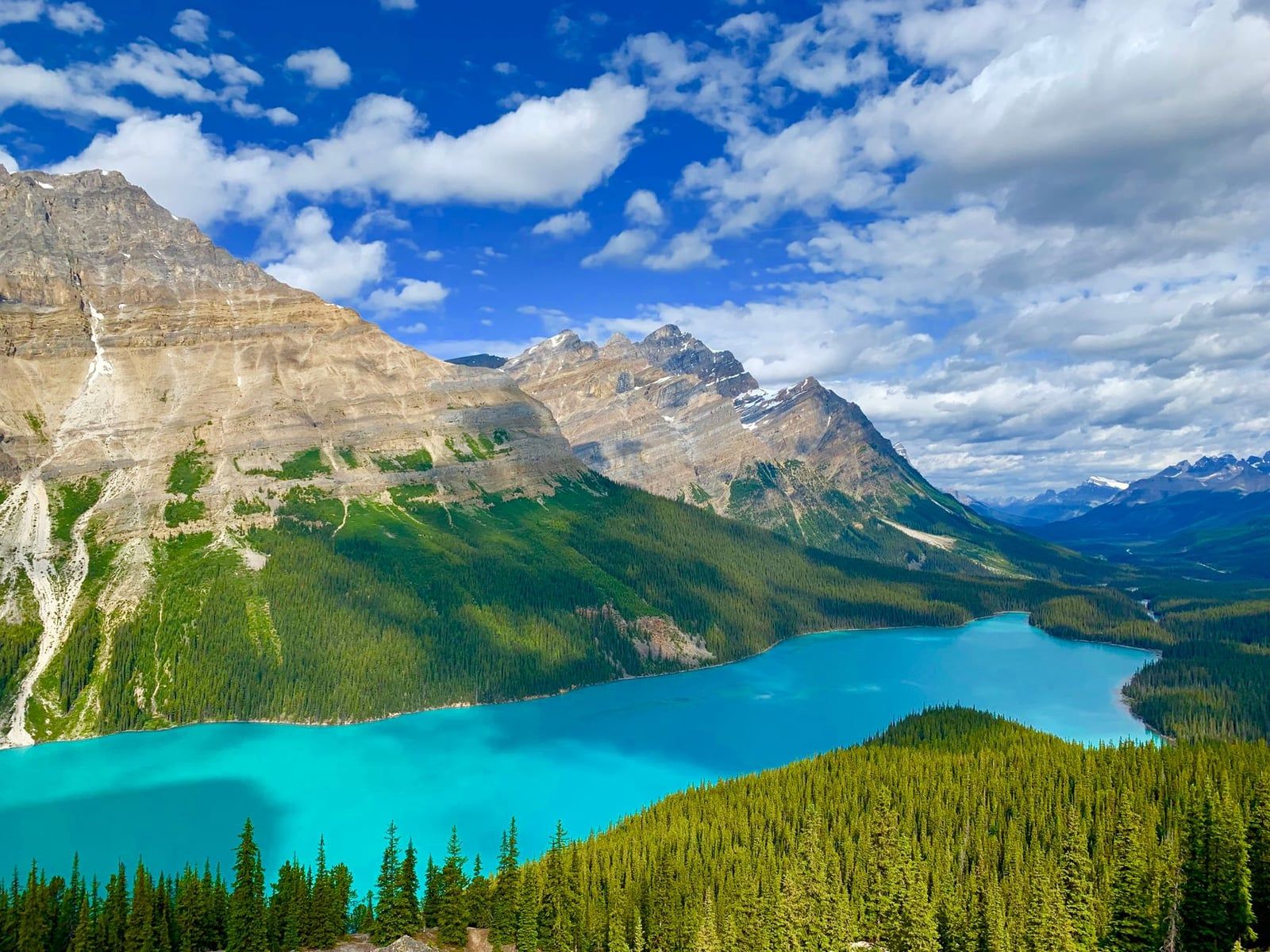
Bow Lake, with the Crowfoot Glacier visible above it and the historic Num-Ti-Jah Lodge on its shore, is the first real stop and one of the few places to get food along the Parkway — pack a lunch anyway, since options are thin. A few minutes on, Peyto Lake's overlook (wheelchair accessible) delivers a fox-head-shaped lake in electric blue, with far fewer people than Lake Louise sees on the same morning.
Columbia Icefield (Optional Detour)
Continuing to the Columbia Icefield Discovery Centre adds two to three hours round trip from Bow Lake, where you can walk onto the toe of the Athabasca Glacier or book an Ice Explorer ride onto the ice. It's worth it if glaciers are the reason you came. Skip it if you'd rather arrive in Lake Louise with daylight left for the lakeshore, then check into your Lake Louise lodging by evening — tomorrow starts early.
Day 3: Moraine Lake & Lake Louise
This is the bucket-list day: both lakes are close together and share one shuttle system, so there's no reason to split them across two bases.
Moraine Lake First Thing
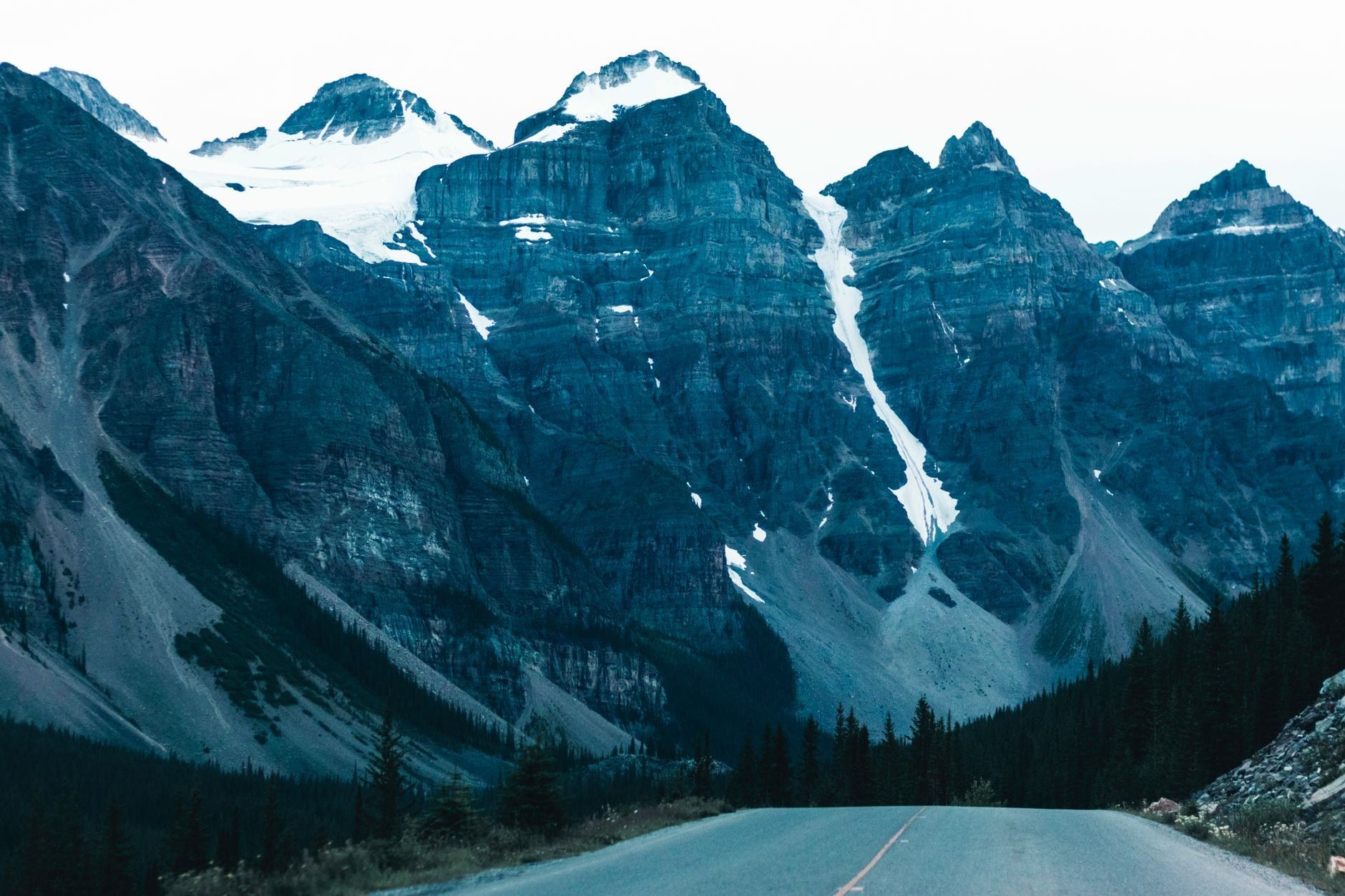
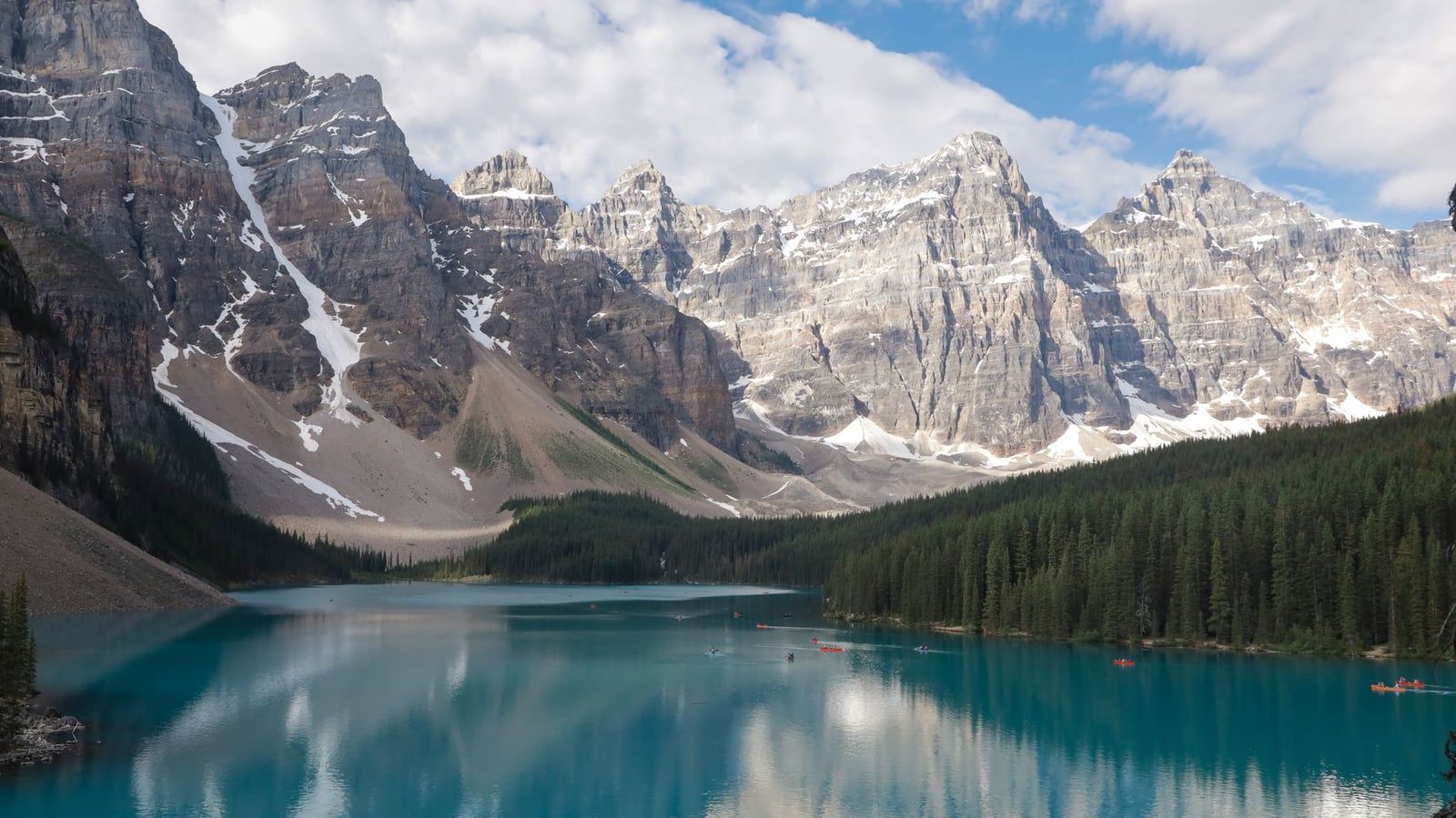
Catch the first shuttle of the day — Moraine Lake's viewpoint draws crowds within an hour of sunrise even with the shuttle system controlling access. The Rockpile Trail is a short, roughly ten-minute uphill walk to the lookout over the Valley of the Ten Peaks, the view once printed on the Canadian $20 bill. If the morning light is doing anything special, this is where you want to be standing. Renting a canoe for an hour costs around $110 and is the one way to get out on that turquoise water instead of just photographing it; guided canoe trips are another option if you'd rather not paddle solo.
Getting to Lake Louise
The Lake Connector Shuttle moves you from Moraine Lake to Lake Louise on the same ticket, no need to double back to a parking lot first. Budget 15-20 minutes for the ride.
Choosing Your Lake Louise Hike
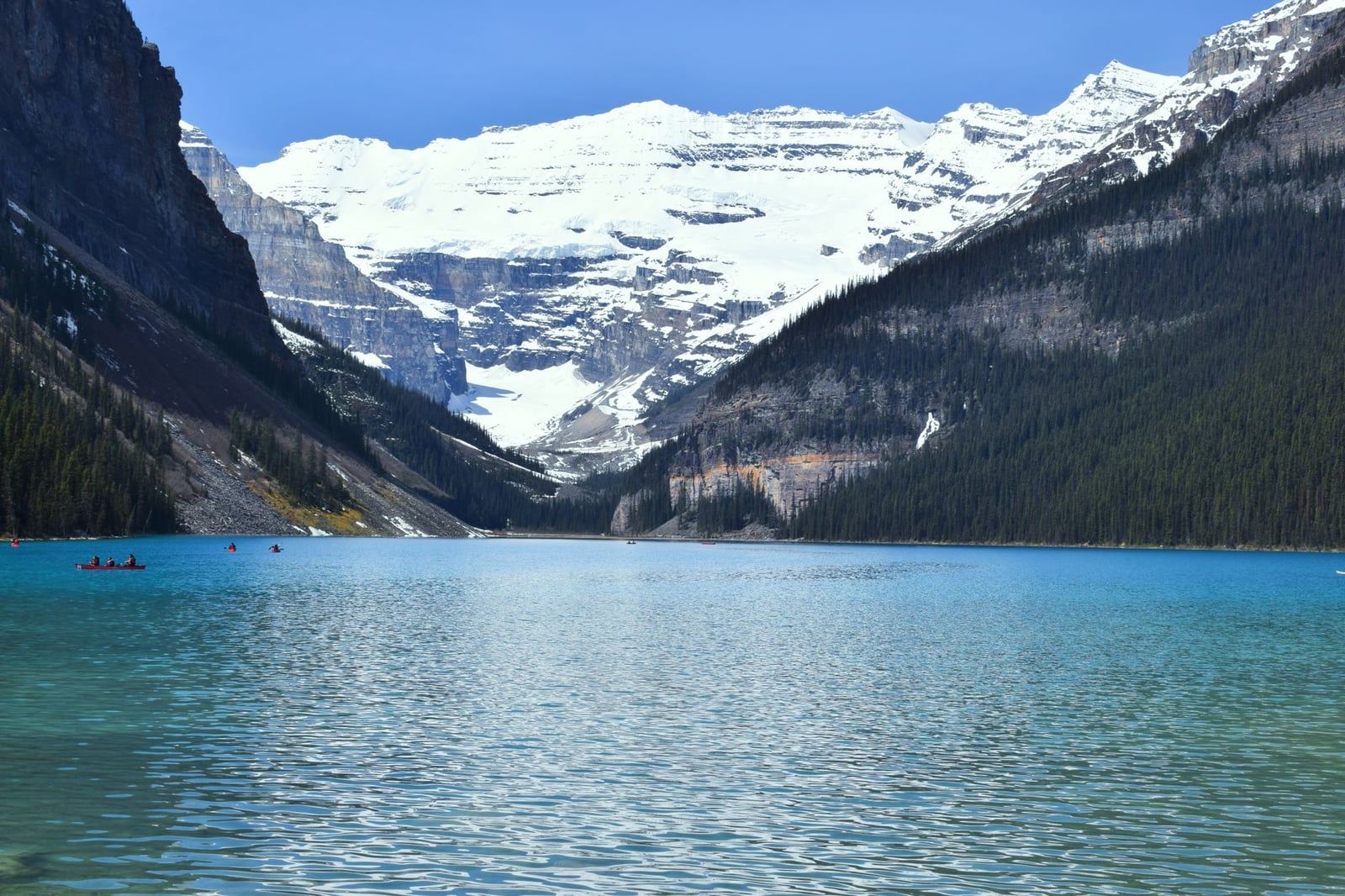
Lake Louise's lakeshore path takes 20-30 minutes round trip and is flat enough for anyone, framed by the Victoria Glacier at the far end. The real draw is above the lake, though, where two trails climb into the alpine — pick one rather than trying both in an afternoon.
| Lake Agnes Teahouse | Plain of Six Glaciers | |
|---|---|---|
| Distance | 2.3 km one-way, 60-90 min up | 5.5 km one-way, longer commitment |
| Terrain | Steady, well-graded climb | Gradual then steeper near the glacier viewpoint |
| Reward | Tea and homemade scones at a historic teahouse | Close views of hanging glaciers |
| Best for | First-timers wanting a shorter alpine hike | Experienced hikers with a full afternoon |
Whichever you pick, start by early afternoon. The connector shuttle's last departures leave in early evening, and you don't want to be racing the clock on a switchback descent. For more trail options across the park, see our Banff hiking guide.
Day 4: Choose Your Adventure — Vermilion Lakes, Yoho, or a Slower Morning
Match the closing day to your flight time and energy level rather than following one fixed path — three options work depending on how much driving you have left in you.
Relaxed Option: Vermilion Lakes & the Drive to Calgary
If your flight leaves in the afternoon, catch sunrise at the Vermilion Lakes, five minutes from downtown Banff, then take the Trans-Canada Highway back to Calgary, about 1.5 hours without stops. It's the easiest way to end a hiking-heavy trip and still make a midday flight.
Active Option: Add Yoho National Park
With a full day and an evening flight, cross into Yoho National Park via the Trans-Canada, about 30-45 minutes past Lake Louise. Emerald Lake's loop trail is an easy, mostly flat walk a little over an hour, and Takakkaw Falls, one of Canada's tallest waterfalls, is a short detour if the access road is open. This adds real driving time, so only take it if you're not racing a flight.
Stopover Option: Grassi Lakes in Canmore
Heading back toward Calgary anyway, Grassi Lakes Trail in Canmore sits right on the route and works well as a last stretch of the legs before the airport. It's a shorter, easier commitment than the Yoho detour and keeps you closer to schedule. Match the option you choose to your flight time, not the other way around — a missed rental car return costs more than any lake view is worth.
Practical Tips: Weather, Wildlife & What to Pack
Mountain weather changes fast enough that a sunny morning can turn into a hailstorm by 2pm, even in July. Pack warm layers and a waterproof shell regardless of the forecast, and bring sturdy boots for anything beyond the paved lakeshore paths.
Bear spray can't fly with you — buy it in Banff or Lake Louise, or rent it from shops like Snowtips Bactrax for about $10 USD a day. Make noise on trails, especially near blind corners and running water, and keep dogs leashed; it's the law here, not just good practice. Parks Canada notes bear spray deters attacks in over 90% of documented encounters, so carry it where you can actually reach it, not buried at the bottom of a pack.
Banff townsite sits around 1,400 meters (4,500 feet) and Lake Louise near 1,750 meters (5,740 feet) — high enough to notice if you're arriving from sea level. Take Day 1 at an easy pace, drink more water than usual, and save the steeper climbs for Day 2 or 3 once you've adjusted.
Elk, bighorn sheep and the occasional moose show up right in Banff townsite as often as on trails, and elk get genuinely aggressive during the fall rut and spring calving season. Keep your distance, never feed anything, and treat a roadside animal jam as a reason to slow down, not stop in the lane. Our guide to Banff's wildlife covers what to do if you meet a bear or cougar on a trail.
Frequently asked questions
Is 4 days enough to see Banff?
Yes, for a first visit. Four days covers Banff townsite, Lake Louise, Moraine Lake, Johnston Canyon and a stretch of the Icefields Parkway. Add Jasper or a full day in Yoho and plan on five to seven days instead.
Do I need a car for a 4-day Banff itinerary?
A rental car gives you the most flexibility, especially for the Icefields Parkway. Roam Transit and the Parks Canada shuttle can substitute specifically for Lake Louise and Moraine Lake if you'd rather not drive at all.
Can you still drive to Moraine Lake?
No. Moraine Lake Road has been closed to personal vehicles year-round since 2023. From June to mid-October, access is by Parks Canada shuttle, Roam Transit, a licensed commercial operator, or as a registered Moraine Lake Lodge guest.
Should I visit Lake Louise or Moraine Lake first?
Moraine Lake first, as early as you can manage — its viewpoint gets crowded within an hour of sunrise. Lake Louise's best hikes thin out naturally as you climb, so they work well from mid-morning into the afternoon.
How much does a Banff National Park pass cost?
A daily adult pass costs CA$12.25, seniors pay $10.75, and youth 17 and under are free. A family or group of up to seven in one vehicle pays $24.50 per day, and the annual Discovery Pass covering all Parks Canada sites is $83.50.
What is the best home base for a 4-day Banff trip — Banff, Canmore, or Lake Louise?
Split the stay: two nights in Banff or Canmore, then two nights near Lake Louise. Canmore runs cheaper and sits about 20-25 minutes further out; basing near Lake Louise for days 3 and 4 cuts out the 45-60 minute drive from Banff on your two busiest mornings.
Do I need to book Lake Louise and Moraine Lake shuttles in advance?
Yes. Parks Canada shuttle reservations open months before the summer season and sell out quickly, especially early-morning departures. Roam Transit's Lake Louise Express and private operators like the Moraine Lake Bus Company are backups with their own booking windows.
Can 4 days in Banff include Jasper or Yoho National Park?
A proper Jasper add-on needs extra days, since it's roughly 2.5-3 hours one-way up the Icefields Parkway. Yoho is close enough to fold into a flexible Day 4 — Emerald Lake and Takakkaw Falls sit 30-45 minutes past Lake Louise — if you skip the Canmore stopover or relaxed morning option instead.