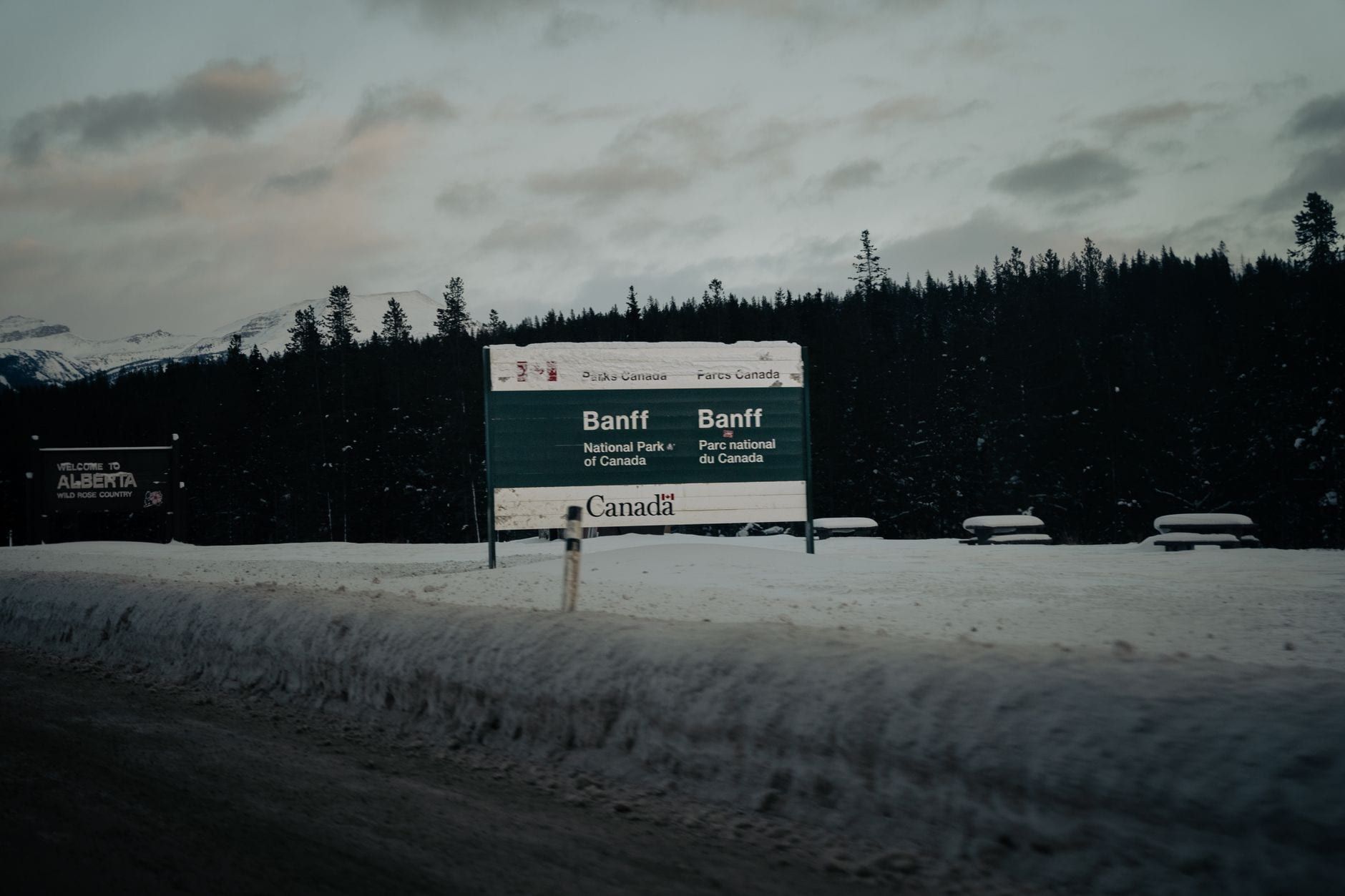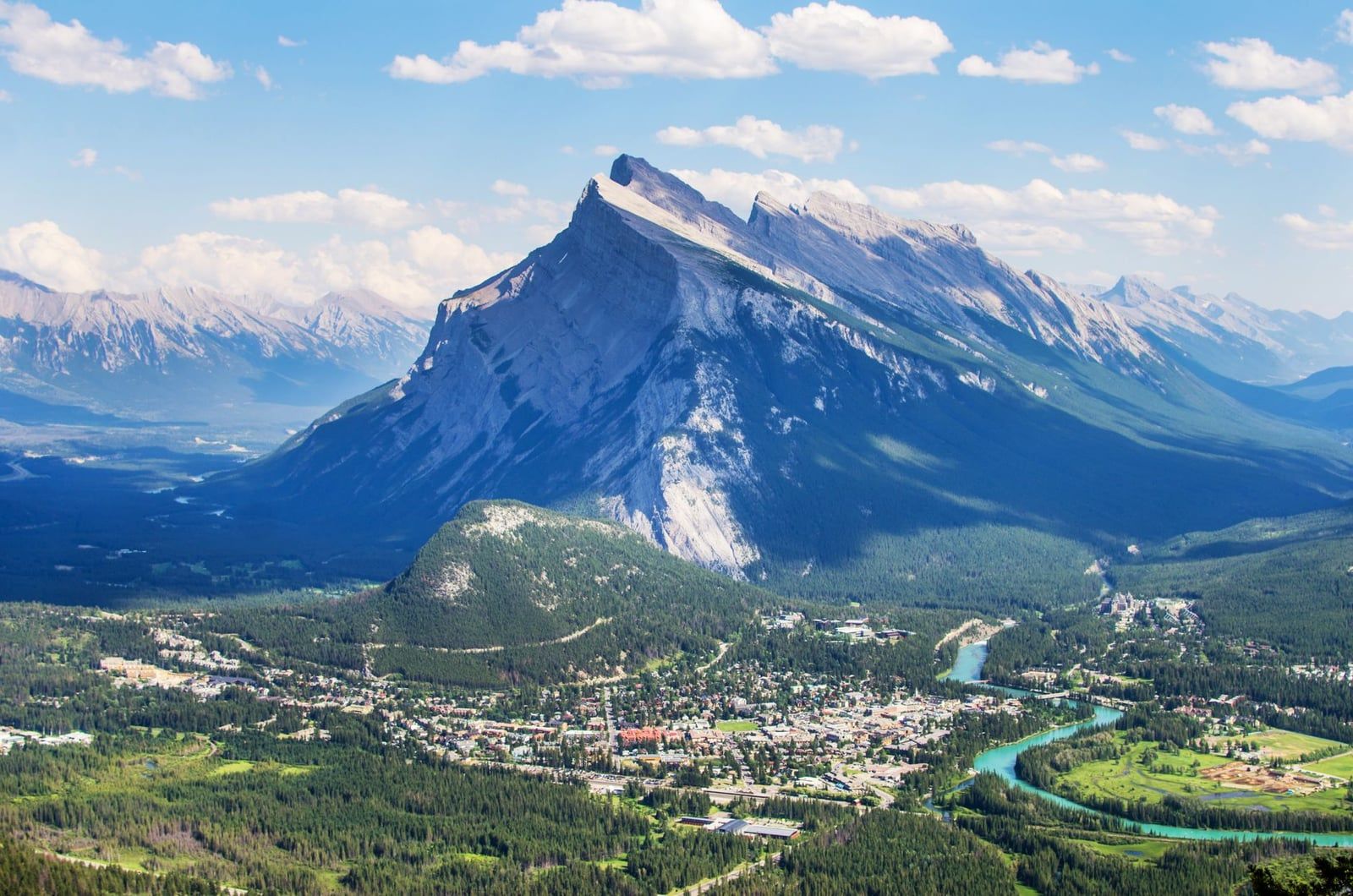
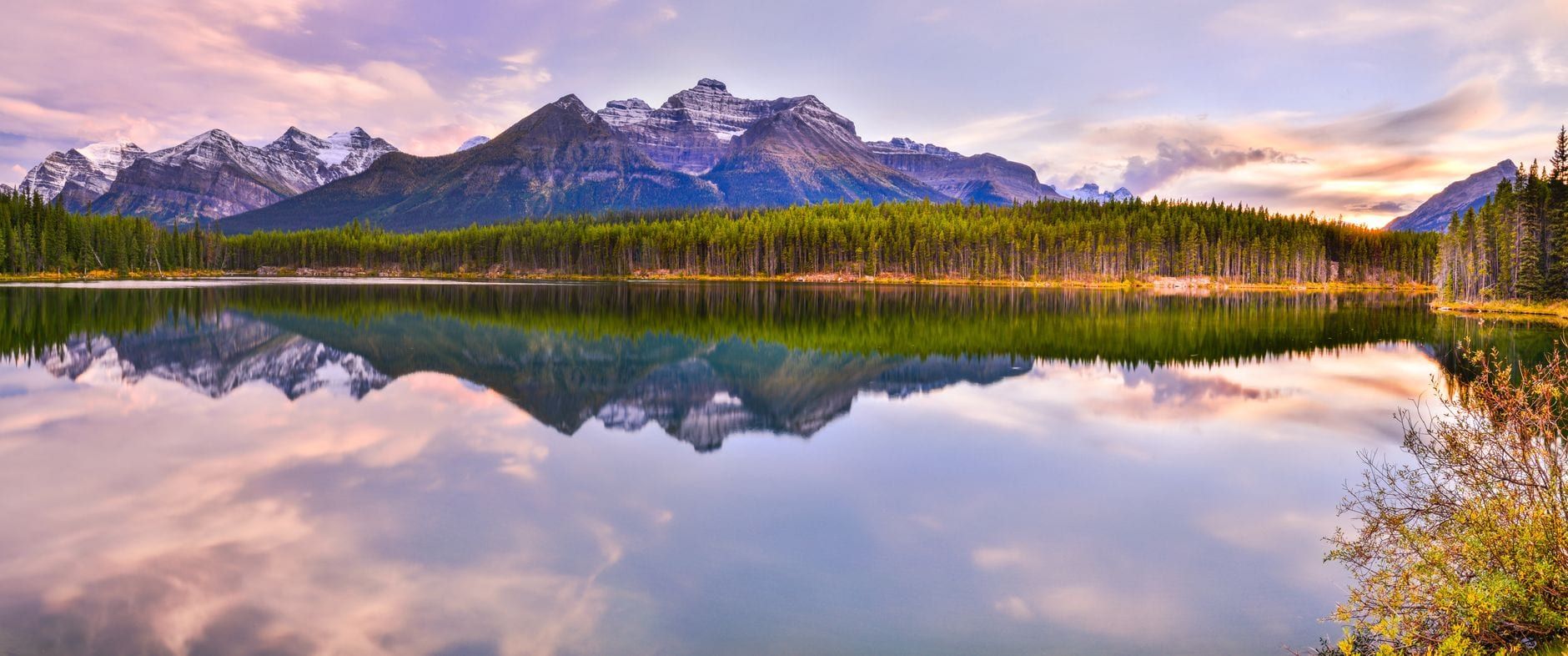
Banff National Park packs turquoise glacial lakes, 3,600-metre peaks, hot springs, and a walkable mountain town into 6,641 square kilometres of the Alberta Rockies. Canada's oldest national park, established in 1885, pulled in a record 4.5 million visitors in 2025 — most of them inside the five-month window between May and September. For the full history and layout, see our Banff National Park overview.
This guide sorts the park's activities by effort and season instead of dumping fifty attractions into one list. Whether you want one big day, a relaxed week, or a longer loop through Jasper and Yoho, the sections below build toward a plan you can actually book.
Banff National Park at a Glance
Banff became Canada's first national park in 1885, when the federal government fenced off a small hot-springs reserve on Sulphur Mountain after railway workers stumbled on the springs two years earlier. The Rocky Mountains Park Act of 1887 expanded that reserve into a park of more than 670 square kilometres; today it covers 6,641 square kilometres of glaciated peaks and river valleys, anchored by the townsite of Banff, population 8,865.
Daily admission is $12.25 CAD for an adult, $10.75 for a senior, and free for anyone 17 or under; a family or group of up to seven in one vehicle pays $24.50. If you're visiting national parks across Canada more than a few times a year, the annual Discovery Pass, $83.50 for an adult, pays for itself fast. Full current pricing sits on the park's opening hours and entry fees page.
Peak season runs June through September, when every trail, shuttle, and campground is open and daylight stretches past 15 hours. Late September swaps the crowds for gold, as the larch trees above Lake Louise and Moraine Lake turn for about two weeks before the first snow. Winter, December through March, belongs to skiers, with three resorts running lifts into May. Our season-by-season guide goes deeper on the trade-offs by month.
One day is enough for the Banff Gondola and a single lake. Three days lets you add a hike and a slower town visit — the sweet spot for a first trip. Give it seven or more if you want the Icefields Parkway, a backcountry night, or a side trip into Jasper or Yoho.
| Item | Cost |
|---|---|
| Daily entry (adult) | $12.25 CAD |
| Discovery Pass (adult, annual) | $83.50 CAD |
| Lake Louise parking (May–Nov) | $42 CAD/day |
| Parks Canada shuttle (adult, one-way) | $12.75 CAD + $3.50 booking fee |
| Banff Upper Hot Springs (adult) | $17.50 CAD |
| Wilderness Pass (backcountry camping) | $15.00 CAD/night |
The Iconic Lakes: Louise, Moraine, Peyto, Bow & Minnewanka
Lake Louise
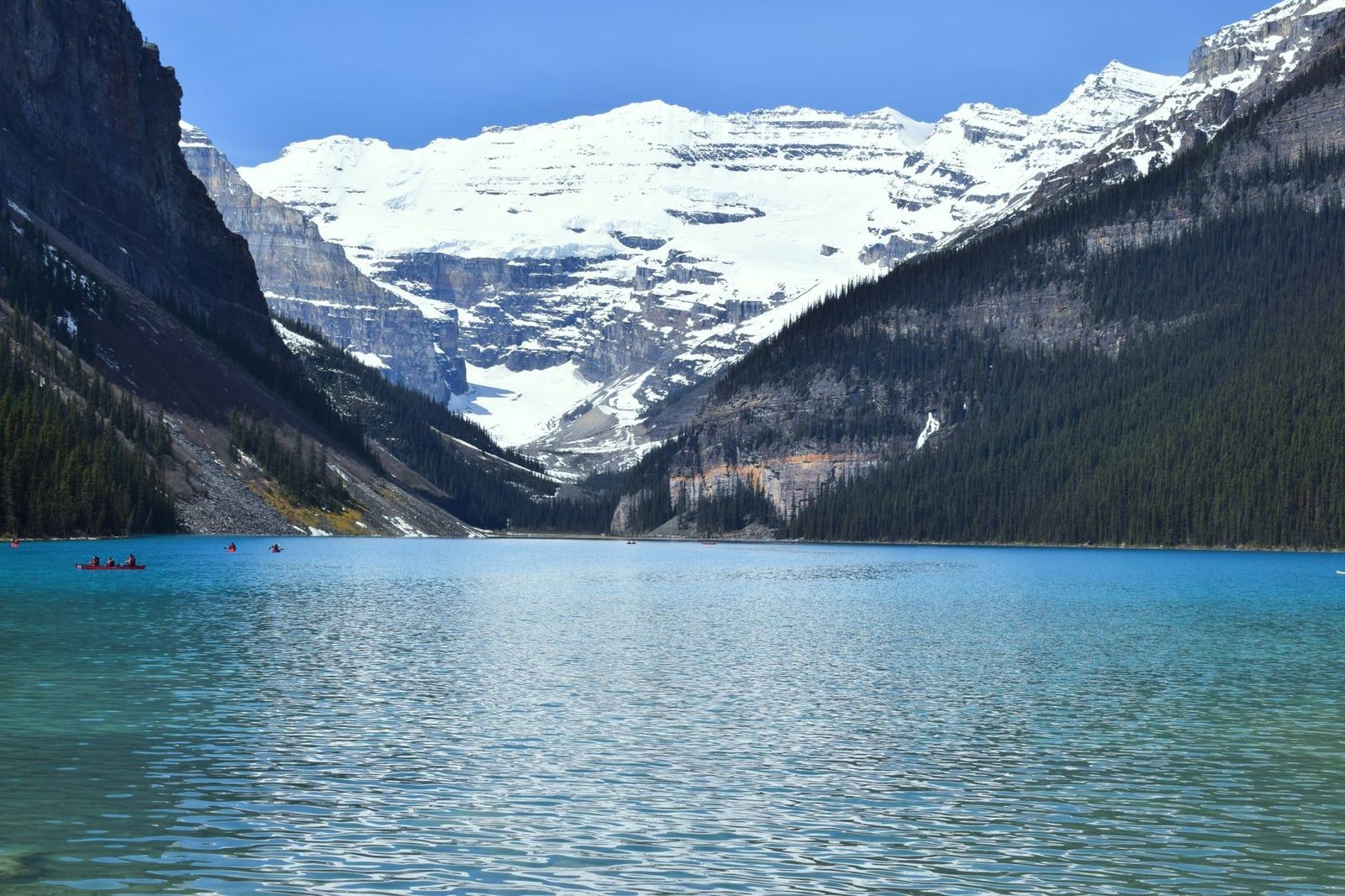
Lake Louise sits at 1,750 metres, its turquoise water framed by the hanging ice of the Victoria Glacier. The flat lakeshore path takes 20 to 30 minutes round trip and needs nothing more than sneakers. Want the view without the crowd? Keep walking — the trail up to the Lake Agnes Tea House climbs 3.4 km and about 400 metres of elevation for tea and scones over an alpine lake. Parking fills before 7 a.m. from May to November and runs $42 CAD a day, so most visitors take the Roam Route 8X bus or a Parks Canada shuttle instead.
Moraine Lake
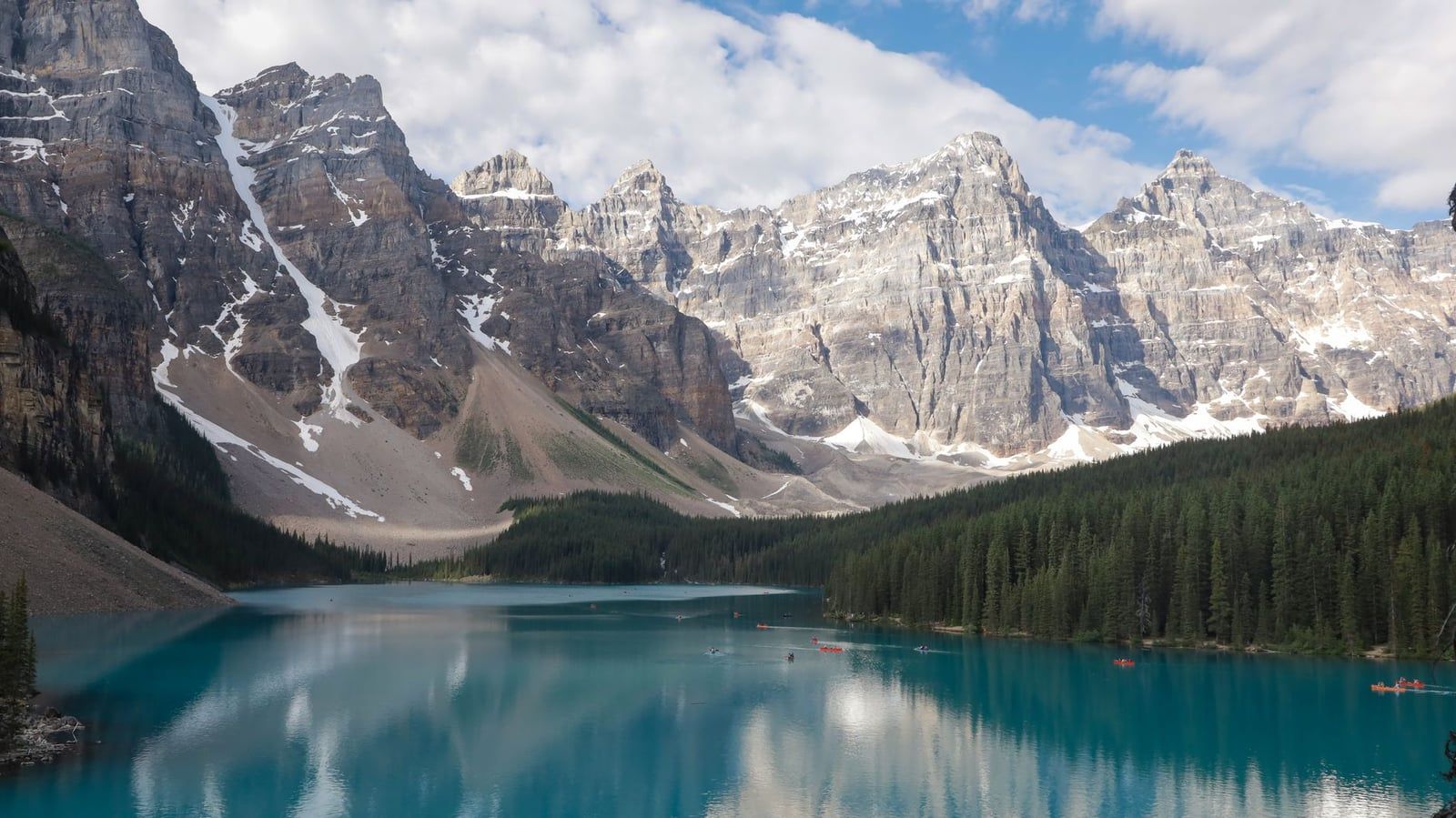
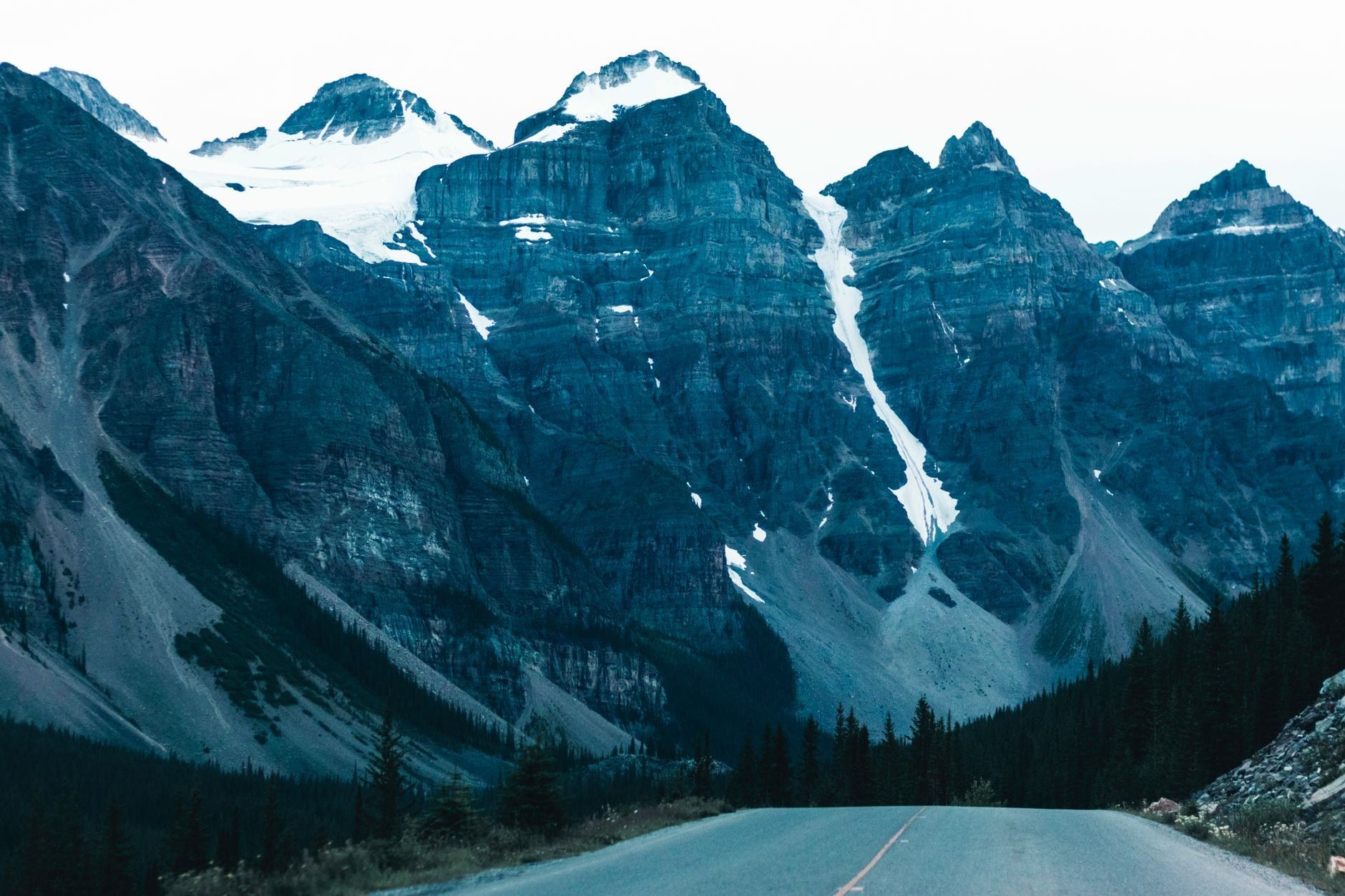
Moraine Lake sits higher than Lake Louise, at 1,884 metres, in the Valley of the Ten Peaks — the view once printed on Canada's $20 bill. Moraine Lake Road is closed to private cars year-round; the only ways in, from June to mid-October, are the Parks Canada shuttle, Roam Transit, or a licensed operator. The short, steep climb up the Rockpile Trail takes about ten minutes and delivers the postcard shot. Skip the shuttle-reservation scramble entirely by booking a seat through a private tour that handles the access for you.
Peyto Lake
Peyto Lake is the one shaped like a wolf's head from above, its color shifting from deep blue in early summer to a brighter turquoise by August as glacial silt builds up. The viewpoint is a short, paved five-minute walk from the parking area on the Icefields Parkway, with a handicap-accessible section built into the overlook. Go before 9 a.m. or after 6 p.m. in July and August — this stop gets as crowded as Lake Louise despite sitting an hour further out.
Bow Lake
Bow Lake is the easy alternative when Peyto and Louise are jammed. It sits right off the Icefields Parkway near Num-Ti-Jah Lodge, a flat five-minute walk from the pullout to the shoreline, with the Bow Glacier hanging above it. Far fewer buses stop here. That's exactly the point.
Vermilion Lakes
Vermilion Lakes Drive runs along three shallow lakes just west of Banff townsite, a five-minute detour that's the best sunrise spot in the park for reflections of Mount Rundle. Elk graze the marshy edges at dawn, and the flat road doubles as an easy cycling loop — no permit or shuttle needed, just drive, walk, or pedal out from town.
Lake Minnewanka
Lake Minnewanka is Banff's longest lake at about 21 km, held behind a dam on the Cascade River east of town. A 90-minute scenic cruise runs May to October out to Devil's Gap, and the loop road around the lake is one of the more reliable spots in the park to see bighorn sheep. Short on time? The first kilometre of shoreline trail from the boat dock gives almost the same view for free.
Best Hikes for Every Ability
Easy and Paved
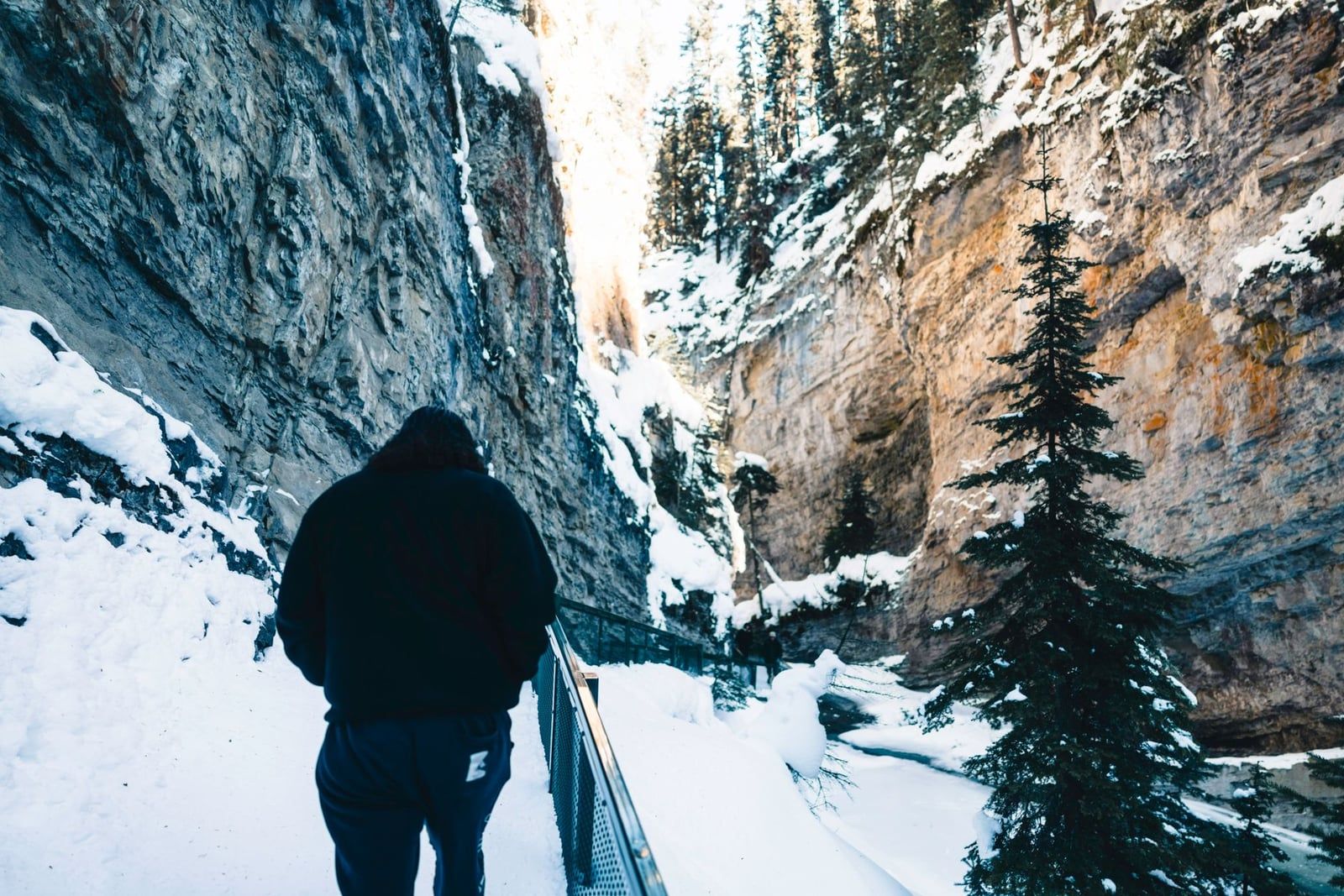
Johnston Canyon is the easy hike everyone does, and for good reason: a catwalk bolted to limestone cliffs leads 1.1 km to the Lower Falls and on to the Upper Falls at 2.7 km, gaining about 120 metres along the way. Go early — by mid-morning in July the catwalk backs up like a subway platform. Sundance Canyon, a paved 4.4 km loop starting near the Cave and Basin, and the flat Bow Falls riverside walk from the Fairmont Banff Springs, are two more options that need nothing but sneakers.
Moderate
Tunnel Mountain is the local's after-work hike: 2.4 km one-way to the summit, with a trailhead just 1 km, about 15 minutes on foot, from downtown Banff. It's steep enough to feel like a workout without eating your whole day. For a longer moderate outing, pair the Lake Agnes Tea House loop with an extension to the Big Beehive for wider views over Lake Louise.
Strenuous and Full-Day
Larch Valley and Sentinel Pass, starting from the Moraine Lake shuttle drop-off, climbs through larch forest that turns gold in late September before topping out at Sentinel Pass. It's Banff's most photographed alpine hike, and one of its most crowded. Riding the gondola up Sulphur Mountain and hiking down is another full-day option, for anyone who wants the view without the climb.
Multi-Day Backcountry
The Sawback Trail runs 46 miles (74 km) between Banff townsite and Lake Louise, crossing three mountain passes over roughly seven days of backcountry camping. It needs a Wilderness Pass, bear spray, and real backcountry experience — not a casual add-on to a lake-and-gondola trip.
Guided Hikes
Nervous about navigation, bears, or just picking the right trail for the day? Hire a local guide instead of winging it. A day out with Banff hiking tours also skips the which-trailhead guesswork that trips up most first-time visitors.
Gondolas, Skywalks & Scenic Drives
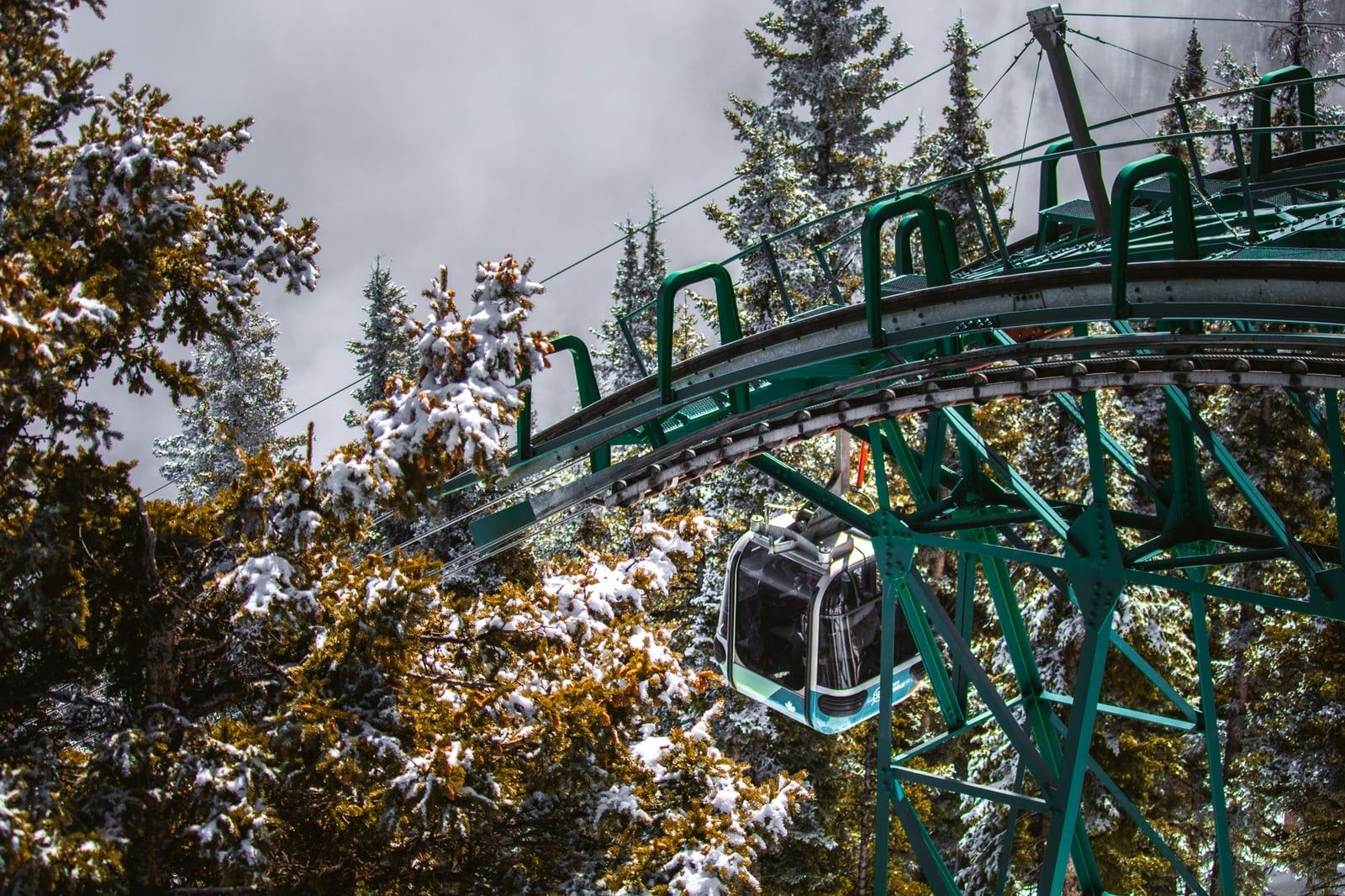
Banff Gondola
The Banff Gondola climbs Sulphur Mountain in about eight minutes, landing at a summit boardwalk 2,281 metres up with views over six mountain ranges and the Bow Valley below. Cabins hold up to four people, so solo travelers and couples aren't stuck sharing with strangers. A short boardwalk at the top leads to the old Sulphur Mountain Cosmic Ray Station and two restaurants — budget an hour for the view alone, two if lunch is part of the plan.
Mount Norquay Chairlift
Mount Norquay's summer chairlift is the quieter, cheaper alternative to the Banff Gondola, lifting riders to a viewpoint over the Bow Valley from the same slopes that host the park's only Via Ferrata in warmer months. It's the pick for anyone who's already done the gondola once and wants a different angle.
Icefields Parkway
The Icefields Parkway (Highway 93) runs about 230 km from Lake Louise to Jasper, and it's the drive the whole trip gets built around: Bow Lake, Peyto Lake, and the blue ice of Crowfoot Glacier all sit within the first hour. Push far enough, into Jasper National Park, and you can walk onto the toe of the Athabasca Glacier or ride an Ice Explorer onto it. Fill the tank before leaving Lake Louise — there's no reliable cell coverage and only one gas station on the entire route.
Soak, Paddle & Cruise: Water-Based Activities
Banff Upper Hot Springs
Banff Upper Hot Springs sits at the base of Sulphur Mountain, at the same springs railway workers found in 1883 — the discovery that led to the park's creation. The mineral-rich pool is kept between 37°C and 40°C, entry runs about $17.50 CAD, and submersible wheelchairs are available for barrier-free access. Go at dusk in winter, when steam rises off the water against snow-covered peaks, and skip the midsummer afternoon crowd.
Canoeing and Kayaking
Paddling the Bow River through Banff townsite is flat, calm water suitable for beginners, with rental docks near the Bow River Bridge. Renting a canoe on Lake Louise or Moraine Lake costs more and needs an early booking in summer, but pushing out into that turquoise water is worth doing once. A guided trip through Banff canoe tours is the easier route if you don't want to manage rentals and timing yourself.
Rafting and Float Trips
Guided float trips drift the calm stretch of the Bow River below town, running an hour or two with a local outfitter doing the steering — good for families or anyone who wants scenery without whitewater. For something with more narration than paddling, Lake Minnewanka's scenic cruise, covered above, trades effort for a guide's rundown of the lake's dammed history.
Wildlife Watching: What to Look For and How to Stay Safe
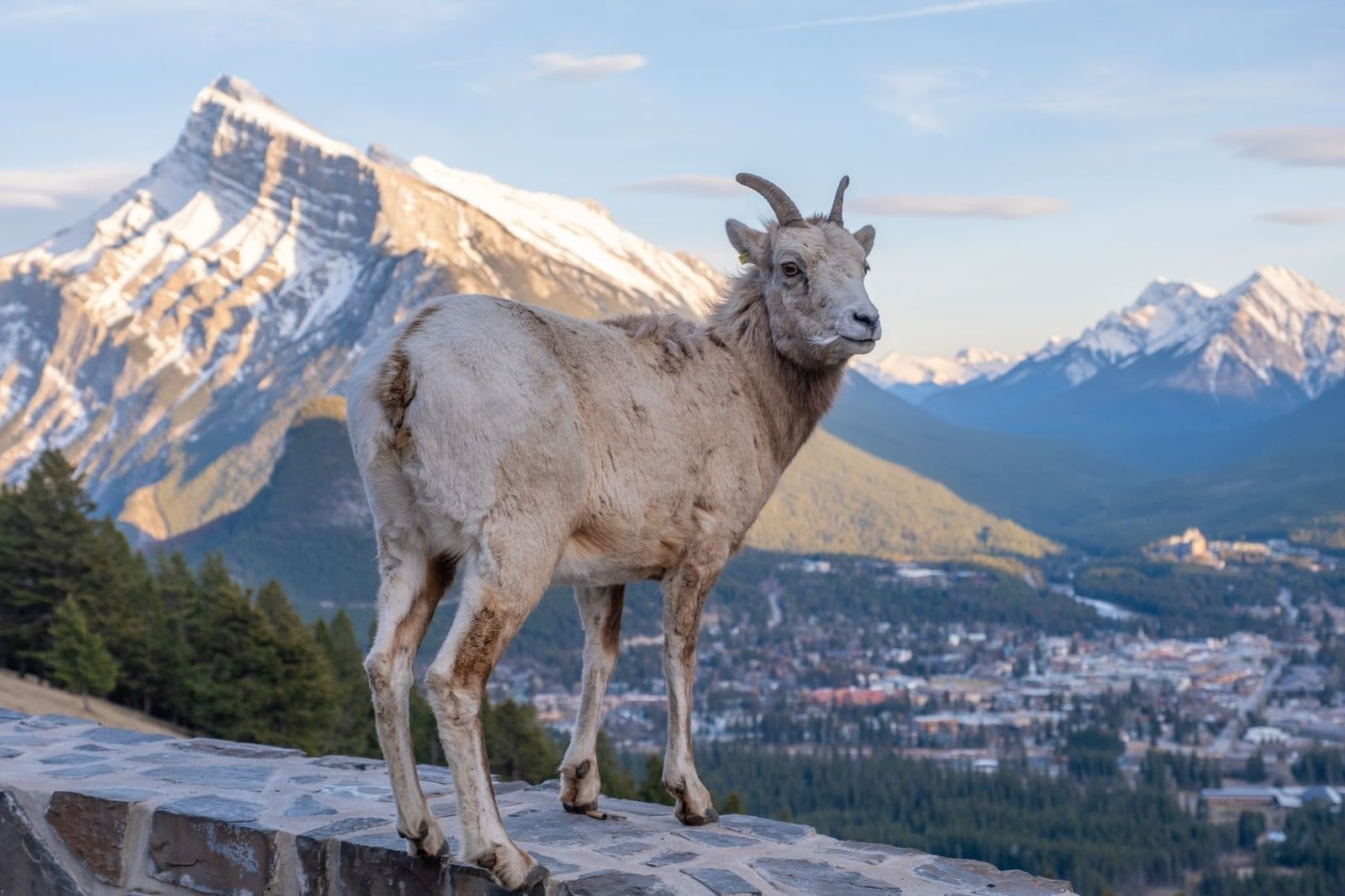
Elk, bighorn sheep, and mountain goats are common enough that you'll likely spot one without trying, especially at dawn or dusk. Elk graze the Banff Springs Golf Course and the edges of Vermilion Lakes early in the morning; bighorn sheep work the slopes of Mount Norquay and the Lake Minnewanka loop road most of the year. Marmots and pikas turn up on rockier alpine trails like Lake Agnes and Larch Valley, chirping warnings from the boulders.
Grizzly bears and wolves are around but far less predictable — most sightings happen along the Bow Valley Parkway or deep in the Icefields Parkway corridor, usually at a distance. Bear activity spikes during berry season in late summer, which is when carrying bear spray on any trail stops being optional. Prefer to let someone else do the spotting and the safety calls? A wildlife tour puts a guide's eyes, and bear spray, between you and the risk.
Banff Town: History, Culture, Shopping & Food
Downtown Banff is compact enough to cover on foot, with the museums, riverside walks, and the historic Fairmont hotel all inside a short walk of Banff Avenue. It's the fallback plan when weather shuts down the high trails, and a natural half-day between lake visits.
Whyte Museum and Banff Park Museum
Banff Park Museum, built in 1903, is the oldest surviving federal building in Canada's national parks and a National Historic Site since 1985; inside, more than 5,000 vintage taxidermy specimens fill a log building that looks more like a hunting lodge than a museum. It's open Thursday to Monday, mid-May to mid-October. The Whyte Museum of the Canadian Rockies, a few blocks away, covers the human side instead: mountaineering history, Indigenous art, and the painters who worked this valley long before Instagram existed.
Cave and Basin National Historic Site
Cave and Basin is where this whole park started: a cave of bubbling, sulfur-scented thermal water that railway workers found in 1883, sparking the ownership dispute that led Ottawa to protect the site in 1885. Interactive exhibits now walk through that history, and the boardwalk above the cave still smells exactly like you'd expect.
Shopping and Dining on Banff Avenue
Banff Avenue is the town's spine — outdoor-gear shops, souvenir stores, and a run of restaurants and breweries within a ten-minute walk of almost every hotel. It's a solid low-effort half-day when weather closes in on the trails, and the local breweries pour a decent excuse to sit down after a long hike.
Fairmont Banff Springs Hotel
The Fairmont Banff Springs Hotel, built in 1888 by the Canadian Pacific Railway to lure wealthy tourists west, is worth the walk even if you're not staying there. Its stone turrets and castle-like facade are as much a Banff landmark as the mountains behind it, and afternoon tea in the lobby is open to non-guests who book ahead.
Adventure Activities & Winter Fun
Beyond the lakes and gondolas, Banff has a full menu of higher-adrenaline options and a long winter season that keeps the park busy well past the summer crowds.
Via Ferrata at Mount Norquay
Mount Norquay's Via Ferrata is Banff's only one — a guided route up steel cables, suspension bridges, and ladders bolted into the cliff face, with tiers running from a two-hour introduction to a full-day traverse for the fit and fearless. No climbing experience is required; guides clip you in and talk you through every move.
Ice Climbing and Horseback Riding
Winter turns Banff's waterfalls into ice-climbing routes, with guided trips heading up frozen cascades near Johnston Canyon and Cascade Mountain. In warmer months, horseback tours cover gentler ground along the Bow River, up Sulphur Mountain, and around the Sundance Loop — a slower, saddle-height way to see the same valley the hikers are sweating through.
Golf at Banff Springs
The Fairmont Banff Springs golf course has been played since the hotel's early days, and its holes sit in some of the most photographed rough in golf, with Mount Rundle behind almost every green. Book well ahead for July and August tee times.
Winter in Banff
Three resorts, Banff Sunshine, Lake Louise Ski Resort, and Mount Norquay, run one of North America's longest ski seasons, typically November through May. Lake Louise also floods a rink for skating right on the lakeshore most winters, and the seasonal Hot Chocolate Trail, roughly November through February, sends visitors around some 30 cafés and shops each pouring a different signature hot chocolate. Snowshoe rental is cheap and easy in town, and it turns any summer hiking trail into a winter one.
Planning Your Visit: Getting Around & Sample Itineraries
ROAM Transit is Banff's public bus system, connecting the townsite with Canmore and Lake Louise on wheelchair-accessible hybrid buses carrying wildlife-awareness information for riders. Within the park it reaches Johnston Canyon, the Banff Gondola base, and Lake Minnewanka, which covers most of what a car-free visitor needs. Driving in from Calgary is still the most flexible option for the Icefields Parkway and Bow Valley Parkway — see our guide to getting to Banff National Park for routes and timing.
Lake Louise and Moraine Lake shuttles run through Parks Canada's booking system: $12.75 CAD for an adult, $6 for a senior, $4 for a youth, plus a $3.50 online booking fee, and summer slots sell out weeks in advance. Book the earliest departure available; the lakes look best, and feel emptiest, before 8 a.m.
Accessible options run wider than most first-timers expect. The Lake Louise lakeshore path, the paved Banff Legacy Trail, and the Peyto Lake viewpoint are all wheelchair-friendly, and the Banff Gondola, Lake Minnewanka cruise boats, and Upper Hot Springs, with submersible wheelchairs, are all built for barrier-free access too.
One Day
Ride the Banff Gondola first thing, then head to Lake Louise or Moraine Lake for the early light before the crowds arrive, and spend the afternoon walking Banff Avenue and Bow Falls.
Three Days
- Day 1: Lake Louise lakeshore, Lake Agnes Tea House hike, dinner in town.
- Day 2: Moraine Lake shuttle at sunrise, Banff Gondola, Upper Hot Springs.
- Day 3: Johnston Canyon early, Cave and Basin, shopping on Banff Avenue.
Seven Days or More
Stretch the three-day core across a week by adding a full Icefields Parkway day to Bow Lake, Peyto Lake, and the Columbia Icefield, a backcountry or Sawback Trail night, and a slower wildlife-watching morning along the Bow Valley Parkway. With seven to nine days, tack on Yoho National Park, about 30 to 45 minutes west of Lake Louise, or push north into Jasper — both separate parks worth a dedicated day rather than a rushed detour.
Frequently asked questions
How many days do you need in Banff National Park?
Three days covers the core: one day for lakes, one for a hike or the gondola, one for the town. Five to seven days allows a slower pace plus the Icefields Parkway, and seven to nine is the range to consider if you're adding Jasper or Yoho National Parks.
Do you need a reservation for Moraine Lake or Lake Louise?
Moraine Lake bans private vehicles entirely; access is by Parks Canada shuttle, Roam Transit, or licensed operator, typically June to mid-October. Lake Louise allows driving, but the lot fills by sunrise and costs $42 CAD a day, so most visitors book a shuttle or take the Roam Route 8X instead.
What is the best time of year to visit Banff National Park?
June through September gives the warmest weather and full trail and lake access. Late September is prime for golden larch trees in the alpine. Winter, roughly November to May, is ski season at three resorts, and Parks Canada notes the park is busiest May through September.
Is Banff National Park expensive to visit?
Daily entrance is $12.25 CAD for an adult, which is only the start. Hot springs run about $17.50 CAD, Lake Louise parking is $42 CAD a day, and shuttle, gondola, and tour costs add up fast on top of that.
Can you visit Banff National Park without a car?
Yes. ROAM Transit connects Banff, Lake Louise, and Canmore, and reaches Johnston Canyon, the Banff Gondola, and Lake Minnewanka. Many town attractions, including the museums, Bow Falls, and the hot springs, are walkable from downtown Banff.
What's the difference between Banff, Jasper, and Yoho National Parks?
They're separate, adjacent national parks in the Canadian Rockies. Banff is the original and most-visited, Jasper lies north via the roughly 230 km Icefields Parkway, and Yoho sits just across the BC border, about 30 to 45 minutes west of Lake Louise.
What wildlife can you see in Banff and how do you stay safe around it?
Elk, bighorn sheep, mountain goats, marmots, and pikas are common; grizzly bears and wolves are seen less often. Parks Canada recommends staying at least 100 metres from carnivores and 30 metres from ungulates, and never feeding any animal.
What is the top must-do activity in Banff National Park if you only have one day?
Ride the Banff Gondola for the views, then get to either Lake Louise or Moraine Lake by shuttle for the classic turquoise-lake stop, and finish with a walk through Banff town.
Sources
- parks.canada.ca/pn-np/ab/banff/visit/tarifs-fees
- parks.canada.ca/pn-np/ab/banff/visit/installations-facilities
- parks.canada.ca/pn-np/ab/banff/visit/les10-top10
- parks.canada.ca/pn-np/ab/banff/info/gestion-management/involved/plan/2025
- en.wikipedia.org/wiki/Banff_National_Park
- en.wikipedia.org/wiki/Moraine_Lake