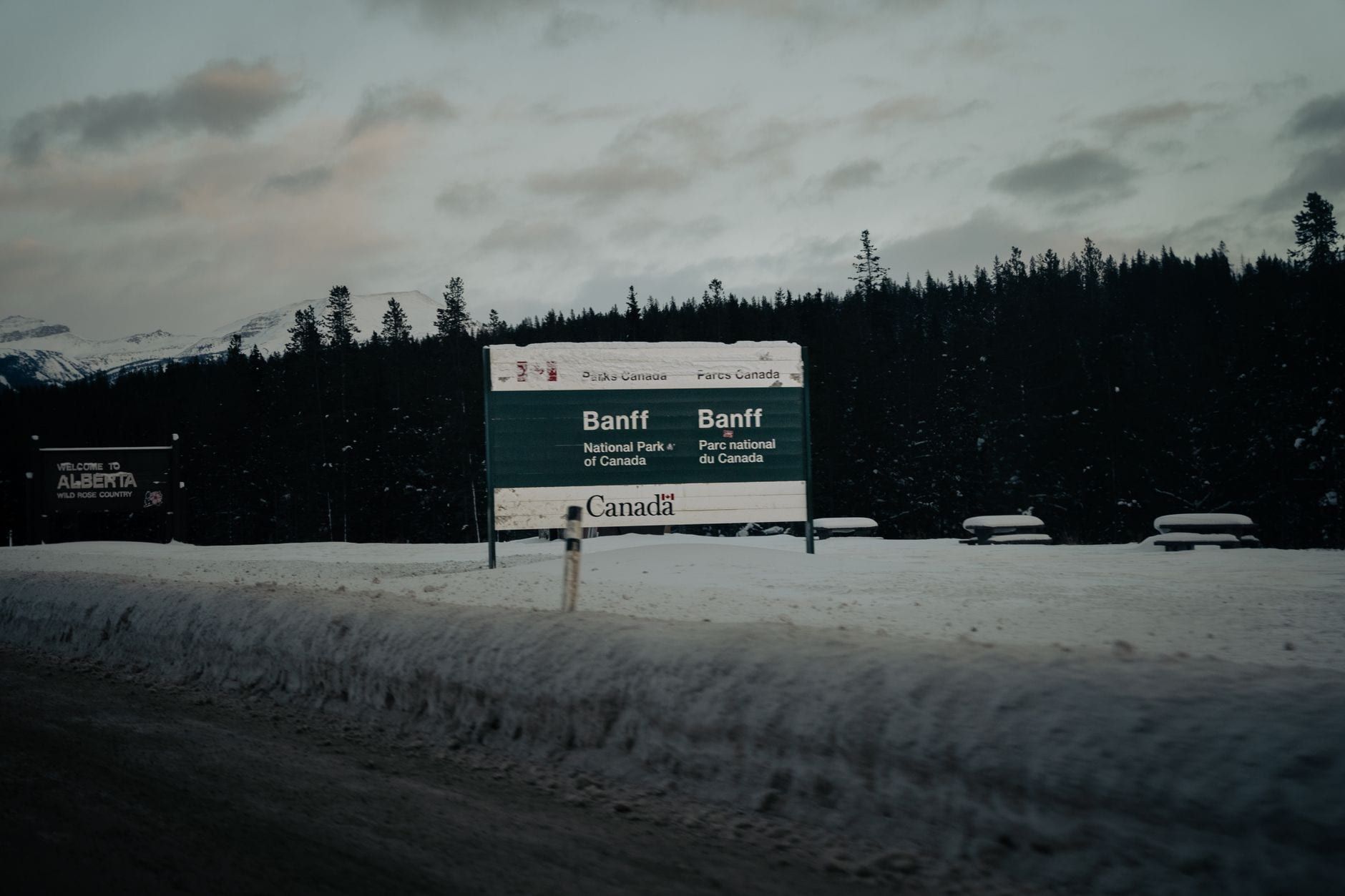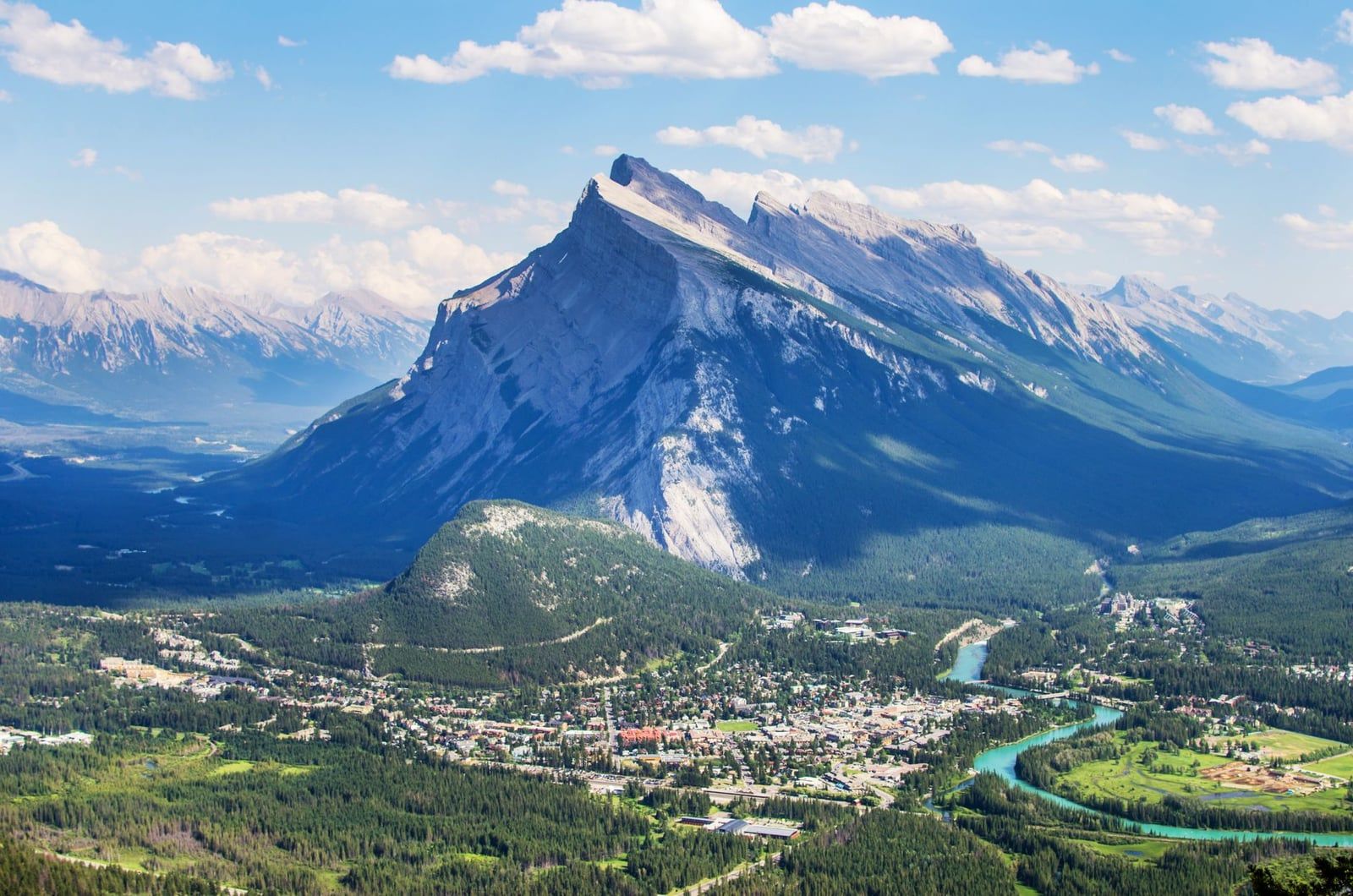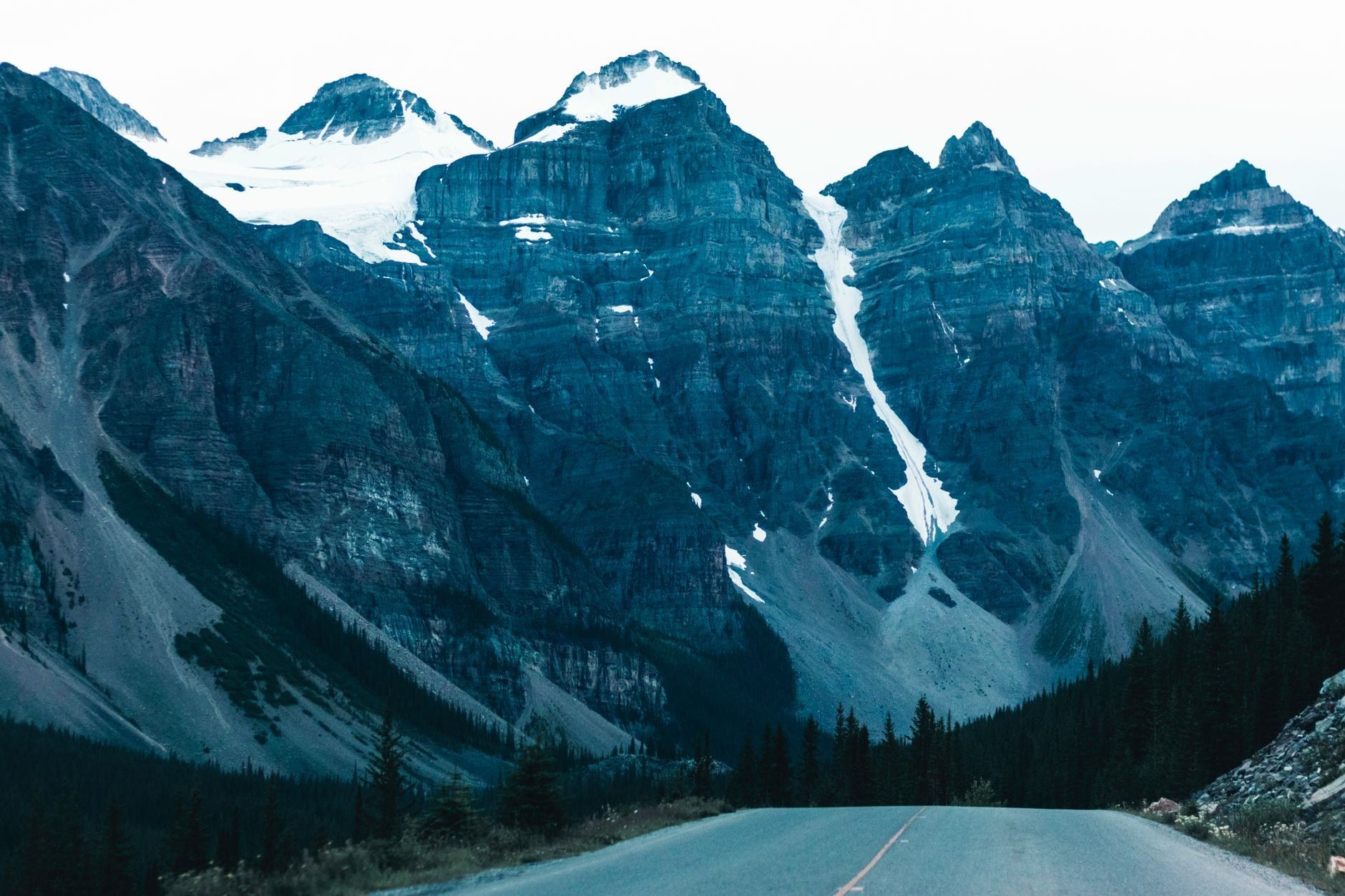
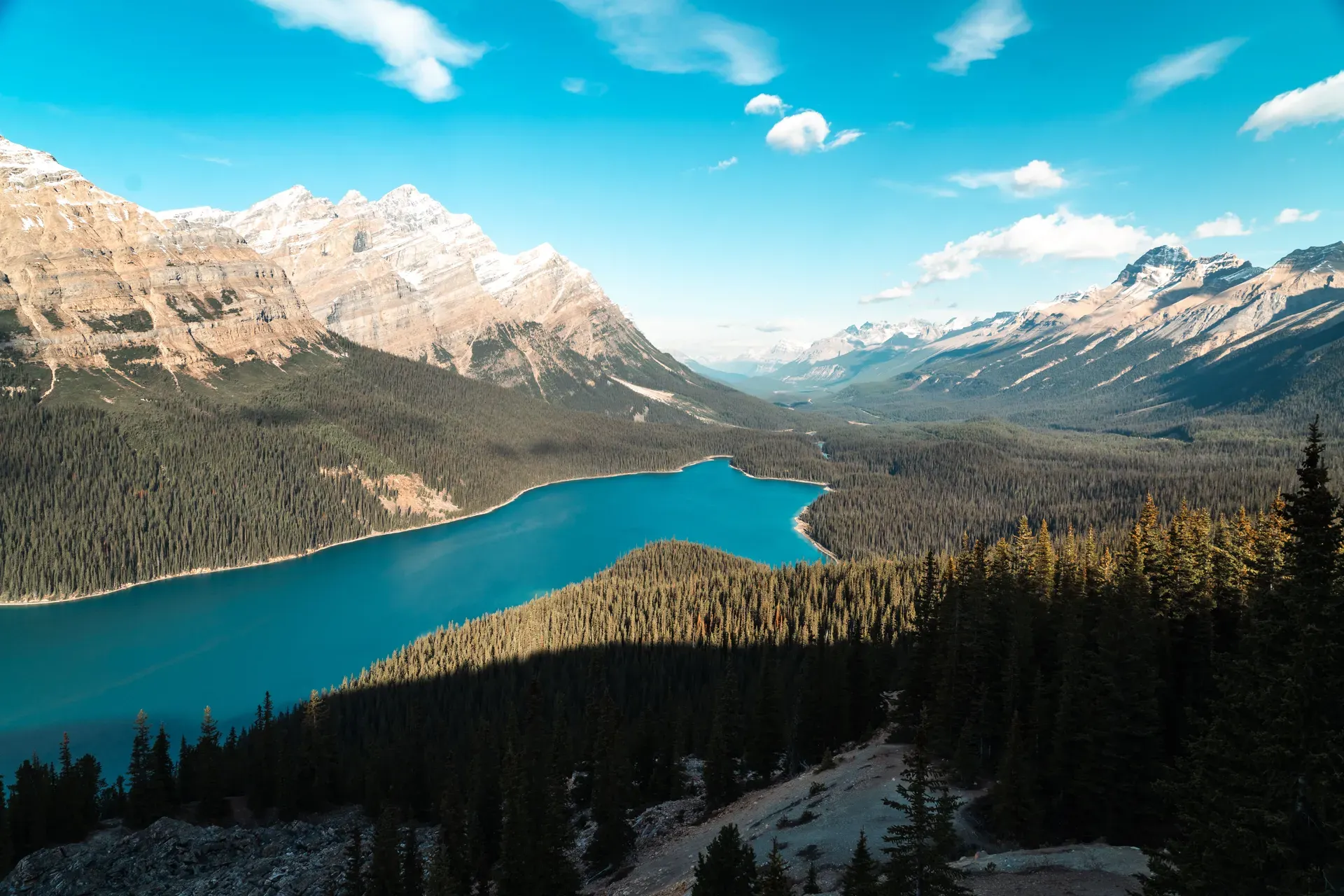
Ten days is the sweet spot for Banff National Park. It's enough time to slow down at Lake Louise and Moraine Lake, add day trips into neighboring Yoho and Kootenay, and still have a spare afternoon when a bear jam or a rainstorm throws off the schedule. The rushed three- or five-day version always feels like a highlight reel; ten days lets you actually explore it.
This plan answers the question every Rockies-bound traveler eventually asks: stay Banff-centric, or push north to Jasper along the Icefields Parkway? Below is a day-by-day plan for the Banff-only route, the bookings you need to lock in before you land in Calgary, and the fork where you'd swap in a Jasper extension instead.
How to Approach a 10-Day Banff Trip
Two different trips hide inside the same search term. Version A stays entirely inside Banff National Park: ten nights split between Banff and Lake Louise, with day trips into Yoho and Kootenay. Version B turns the week into a one-way loop, spending the back half in Jasper after driving the full Icefields Parkway. Both work. Neither is more correct.
Version A suits photographers, families with young kids, and anyone who'd rather see fewer places well than more places quickly — you get real slack for weather and short lines at Moraine Lake. Version B suits hikers and road-trippers who want the whole Icefields Parkway in one direction rather than driving it twice, plus Jasper's quieter lakes and wildlife. If your dates are flexible, our 7-day Banff itinerary is a useful gut check for what a shorter Banff-only trip leaves out — ten days fixes exactly those gaps.
Whichever you pick, resist changing hotels nightly. Basing in two hubs — Banff/Canmore for the first week, Jasper for the last three or four nights if extending — cuts hours of packing and driving out of the trip and leaves more daylight for the park.
| Banff-Only (with Yoho/Kootenay day trips) | Banff + Jasper Loop | |
|---|---|---|
| Lodging changes | 2 hubs, minimal repacking | 2-3 hubs, one long transfer day |
| Driving pattern | Day trips, same base each night | One-way ~230 km Icefields Parkway drive |
| Best for | Families, photographers, first-timers | Hikers, road-trippers wanting Jasper too |
| Return leg | Short drive back to Calgary from Banff | Longer drive or flight home from Jasper |
Before You Go: Key Bookings and Logistics
Fly into Calgary International Airport (YYC) — it's the sensible gateway, about 130 km and roughly 1.5 hours from Banff on the Trans-Canada Highway. Renting a car is worth it for this itinerary; the Bow Valley Parkway, the Icefields Parkway, and the Yoho and Kootenay day trips all need your own wheels, even though Banff townsite itself is walkable and served by the Roam transit shuttle. Check our directions and transport guide before booking flights if you're weighing a rental car against shuttles.
Every vehicle entering the park needs a pass. Daily admission is $12.25 CAD for an adult, $10.75 for a senior, and free for anyone 17 or under; a family or group of up to seven in one vehicle pays $24.50 a day. Staying the full ten days, the $83.50 annual Discovery Pass pays for itself in about a week and covers every other Parks Canada site too. Full current rates are on the park hours and fees page.
Moraine Lake Road has been closed to private vehicles since 2023, permanently. The only ways in are the Parks Canada Park & Ride shuttle from the Lake Louise Ski Resort, a Roam Transit bus, or a licensed commercial tour — driving up expecting to park will just get you turned around. Shuttle reservations open in mid-April and release in batches, then on a rolling 48-hour window through the season, so build your Lake Louise/Moraine Lake day around whatever slot you land rather than the other way around. Moraine Lake is also a designated Water Preservation Zone now, so no swimming, paddling, or wading; the Rockpile viewpoint is the move instead.
- Moraine Lake / Lake Louise shuttle seats (open mid-April, sell out fast)
- Summer accommodation in Banff and Lake Louise, booked 2-3 months out
- Banff Gondola and Lake Minnewanka cruise tickets
- Columbia Icefield Adventure and Glacier Skywalk tickets for Days 6-7
- A rental car, especially for July-August travel
Summer (June-September) is the only season that opens every road and trail in this plan; Moraine Lake Road itself only runs June through mid-October. Late September trades a little crowd pressure for golden larch trees in the alpine and shorter lines. Planning outside that window means reworking a lot of these days around closures.
10-Day Banff Itinerary, Day by Day
This is the Banff-only route (Version A): based in Banff and Lake Louise throughout, with day trips doing the heavy lifting. Swap in the Jasper split described below Day 7 if that's the route you'd rather run.
Day 1: Arrive and Ease Into Banff Town
Land in Calgary, collect the rental car, and drive the roughly 1.5 hours to Banff. Keep the afternoon light — jet lag and the mountain air catch up fast. Walk the short Bow Falls Trail from downtown to the falls viewpoint, then climb to Surprise Corner for the classic look across the canyon at the Fairmont Banff Springs Hotel. Dinner on Banff Avenue and an early night set up everything that follows.
Day 2: Banff Gondola, Cave and Basin, Vermilion Lakes
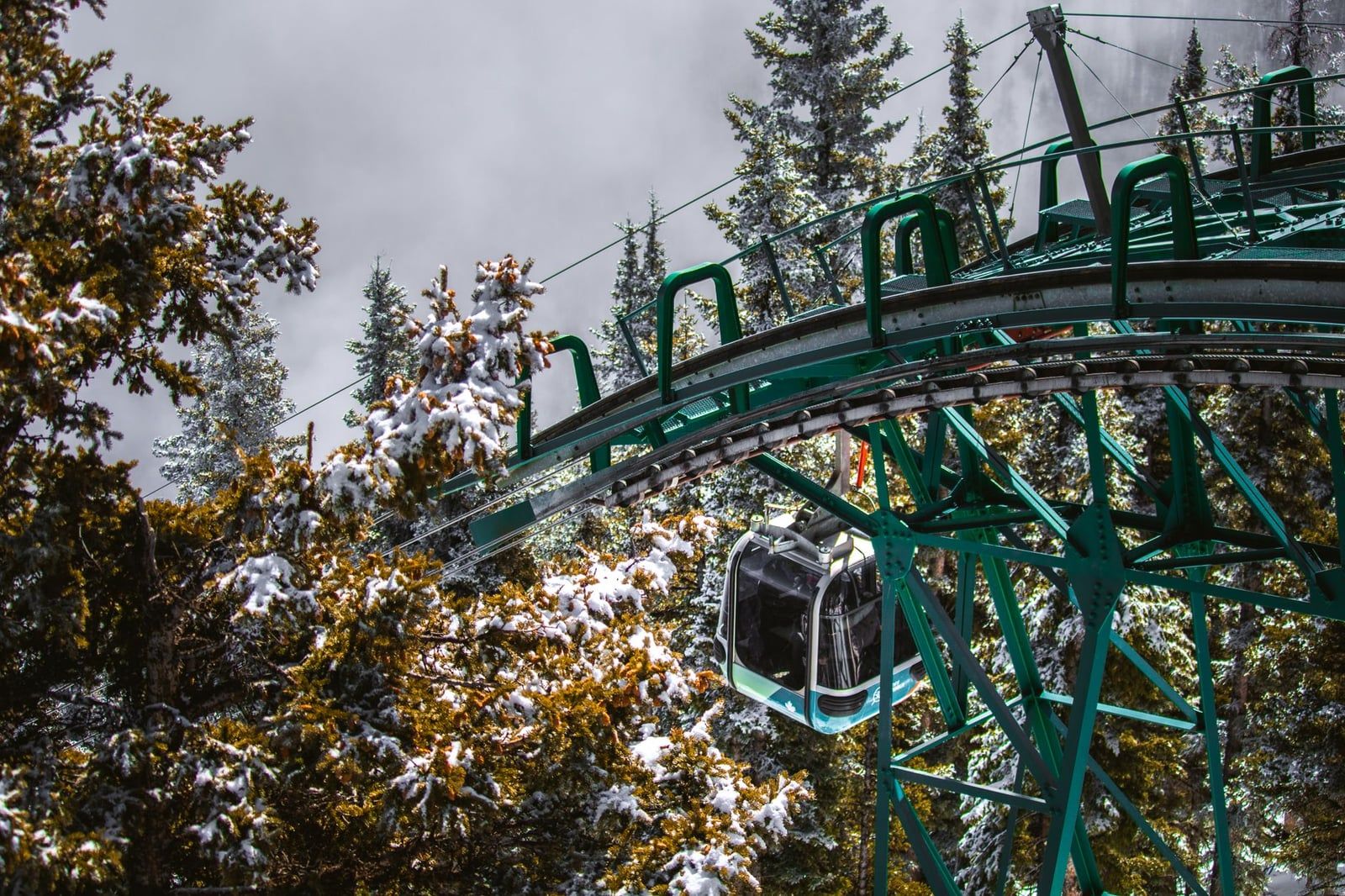
Ride the Banff Gondola up Sulphur Mountain first thing; the trip takes about eight minutes each way and lands on a boardwalk at 2,281 meters with views across six mountain ranges. Come down by early afternoon for the Cave and Basin National Historic Site, where railway workers found the hot springs in 1883 that led to the park's creation. Save the last light for the Vermilion Lakes a few minutes from downtown, where still water mirrors Mount Rundle and elk sometimes graze in the shallows at dusk.
Day 3: Lake Minnewanka and Johnston Canyon
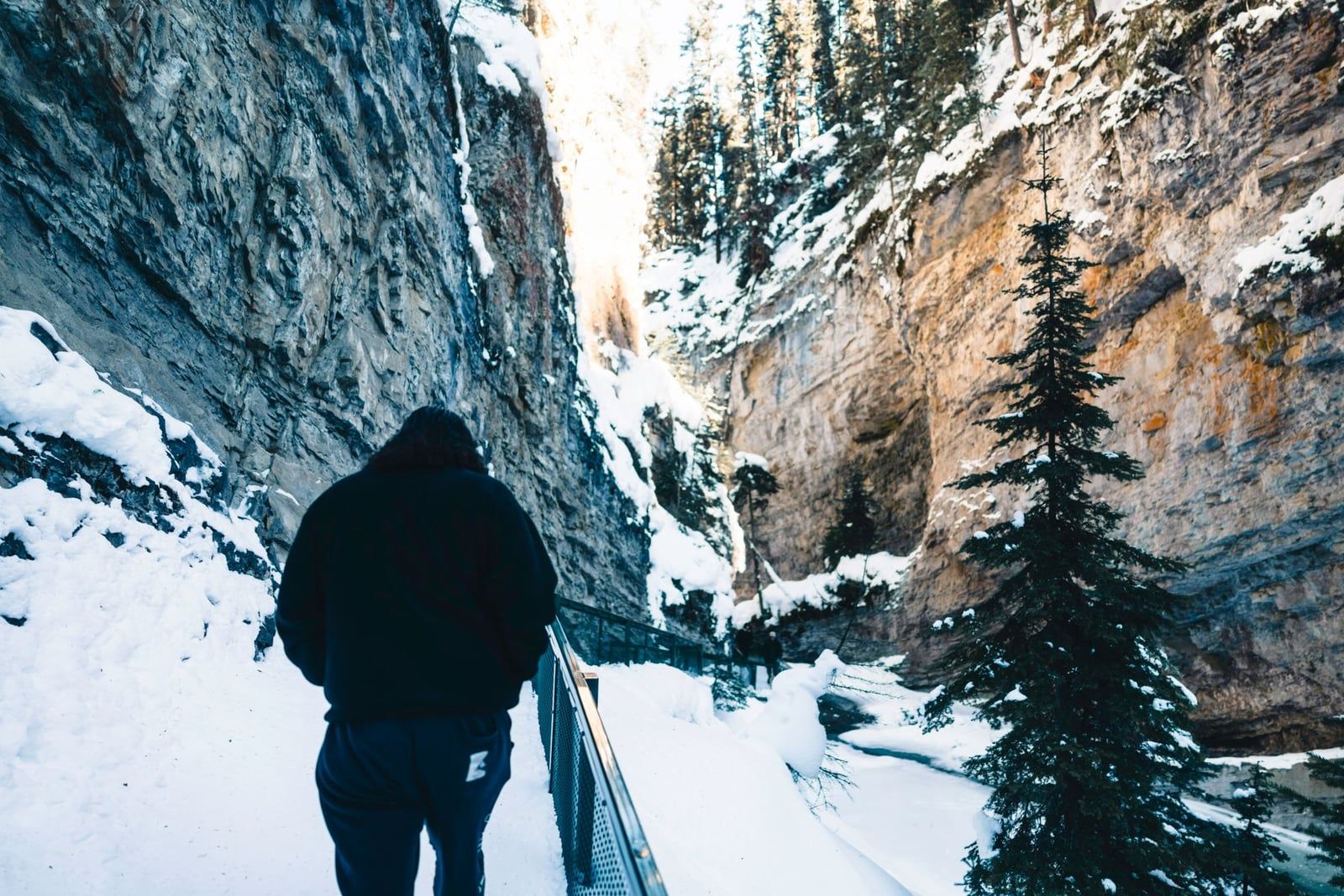
Lake Minnewanka, the park's longest at about 21 km, is a short drive east of town and worth a scenic cruise or a flat shoreline walk where bighorn sheep often graze right by the road. In the afternoon, drive the Bow Valley Parkway to Johnston Canyon: the paved catwalk to the Lower Falls runs 1.1 km each way, and pushing on to the Upper Falls adds another 1.6 km with real elevation gain. Go before 9 a.m. or after 5 p.m. in July and August, since the canyon's narrow catwalk gets genuinely crowded at midday. Animal lovers can swap the canyon for the Yamnuska Wolfdog Sanctuary, or book a guided outing through a Banff wildlife tour that knows where the elk and sheep have been showing up that week.
Day 4: Lake Louise and Moraine Lake
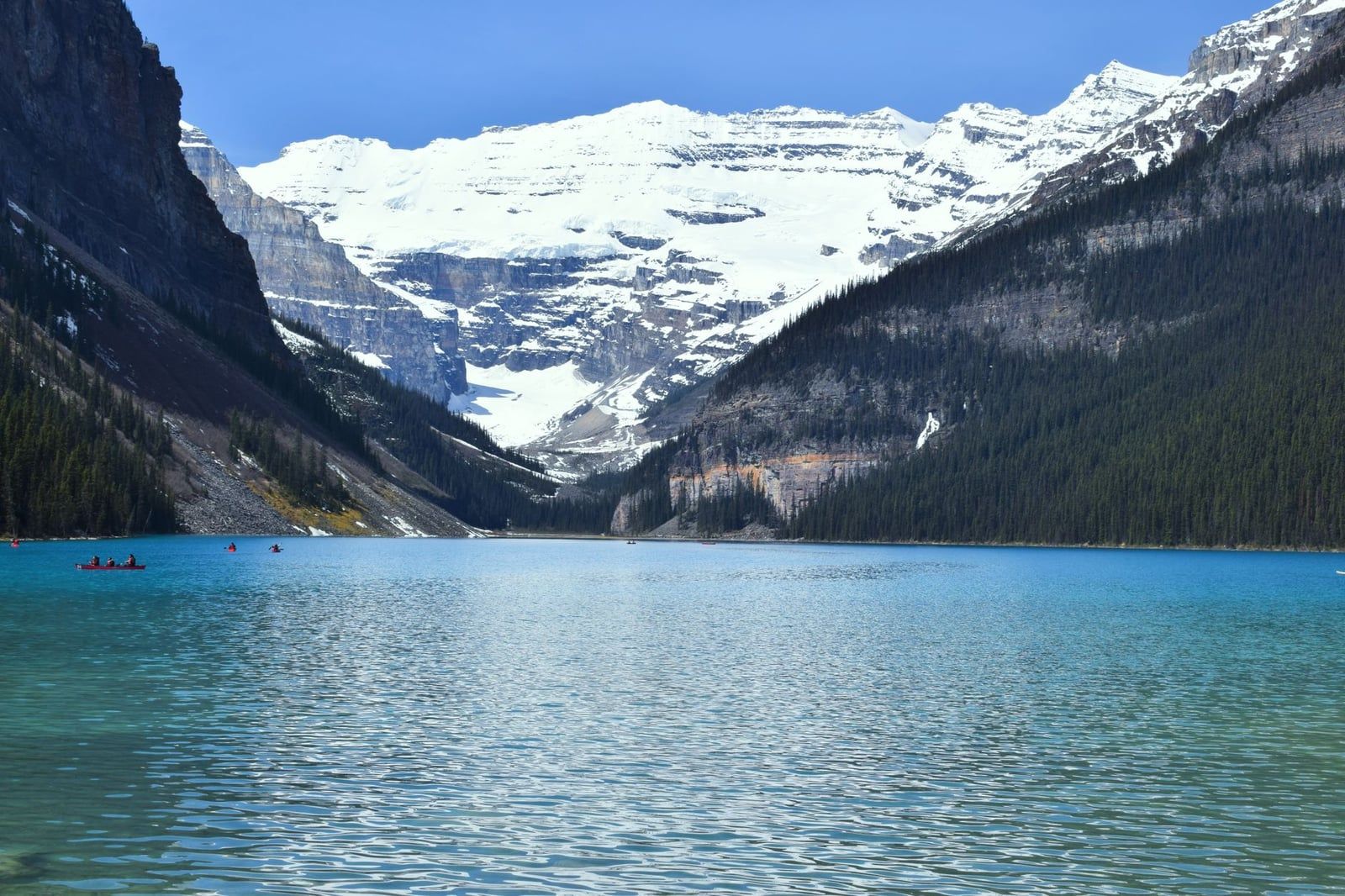
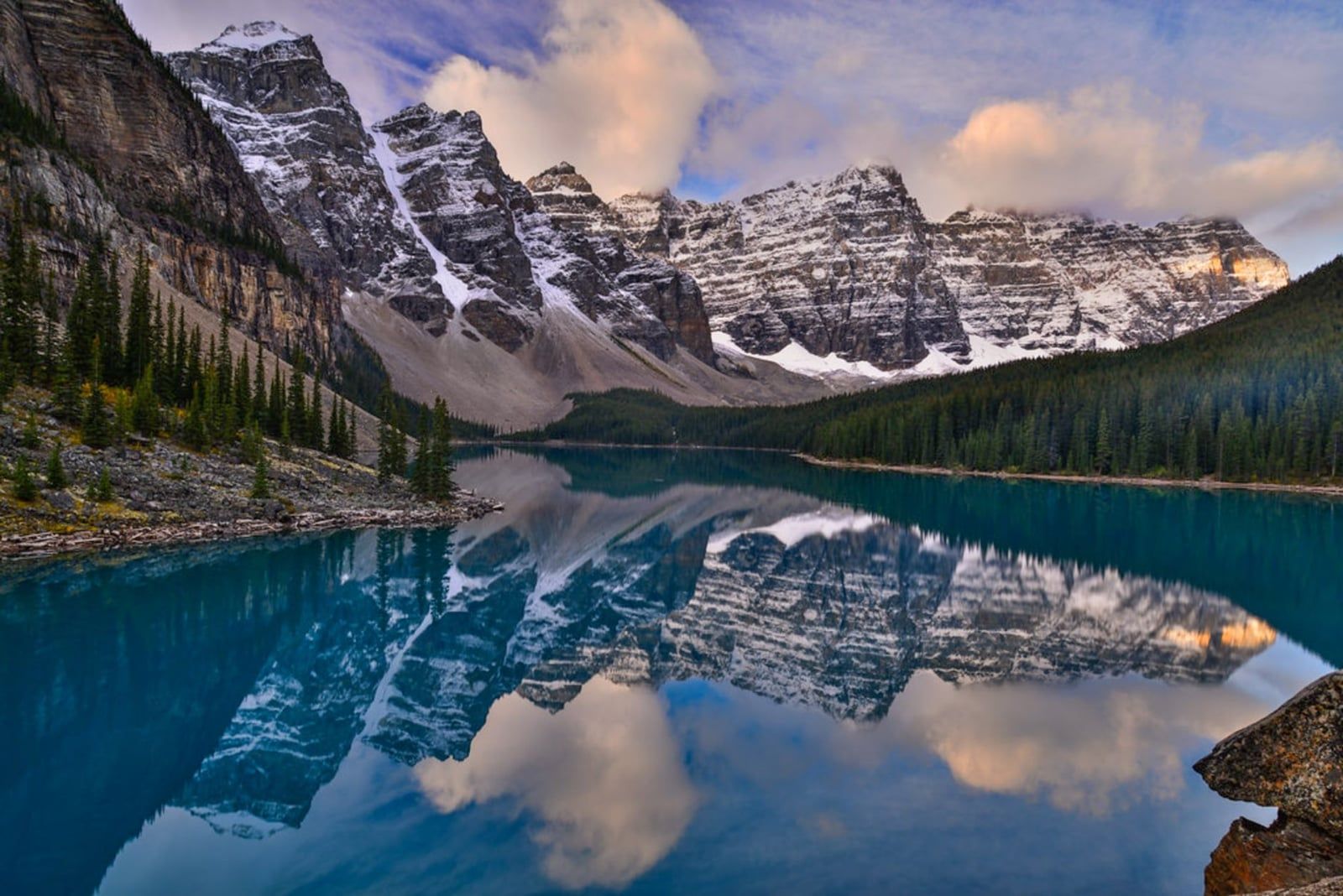
This is the day everything else is built around, so use whatever shuttle slot you booked back in April. Start at Lake Louise: the lakeshore path is a 20-30 minute round trip, and the turquoise water against the Victoria Glacier looks exactly like the postcards if you're there near opening. Ride on to Moraine Lake and climb the short, steep Rockpile Trail for the view that used to be printed on the Canadian $20 bill. Legs and timing willing, add the Lake Agnes Tea House hike from Lake Louise — 3.4 km and about 400 meters of climbing to a teahouse serving scones above a smaller alpine lake. Guided hiking tours can fold that add-on into the day if you'd rather not manage shuttle timing solo.
Day 5: Bow Valley Parkway and Canmore
Slow down today. Drive the Bow Valley Parkway at a crawl, stopping at Morant's Curve, where the railway bends below Mount Temple in a shot familiar from a hundred calendars. Spend the afternoon in Canmore, 20 minutes southeast of Banff and noticeably cheaper for lunch or a beer. Hikers can tackle Ha Ling Peak, which gains over 800 meters in under 3 km — a proper leg-burner — while anyone wanting an easier outing should do Grassi Lakes instead, an easy 4 km round trip to two turquoise pools.
Days 6-7: The Icefields Parkway
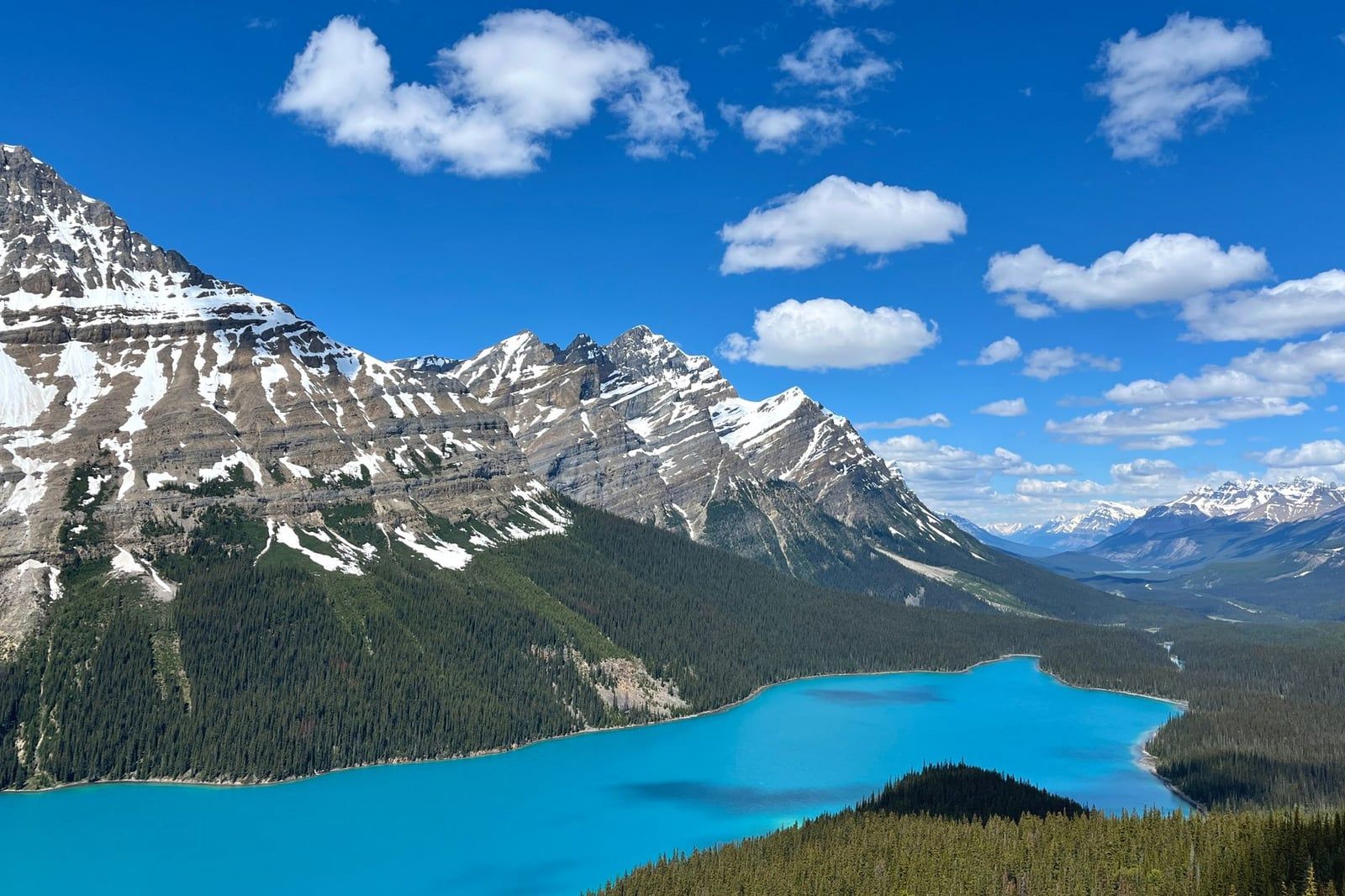
The Icefields Parkway runs about 230 km from Lake Louise toward Jasper and earns two days rather than one rushed there-and-back. Day one covers Bow Lake, the fox-head overlook at Peyto Lake, and Mistaya Canyon — all short walks from the parking areas, none needing more than 20 minutes on foot. Push further to the Columbia Icefield on day two for the Ice Explorer ride onto the Athabasca Glacier or the Glacier Skywalk's glass platform, then loop back past Athabasca Falls. Fill the tank and grab cash before leaving Lake Louise; there's little to no cell coverage along most of the route.
Run this as a long there-and-back day trip from Lake Louise, or book one night near the Columbia Icefield and drive back the next day. Away from any town light, the sky along the parkway gets dark enough that a ten-minute stop with a tripod is worth it if you're overnighting up there.
Day 8: Yoho National Park
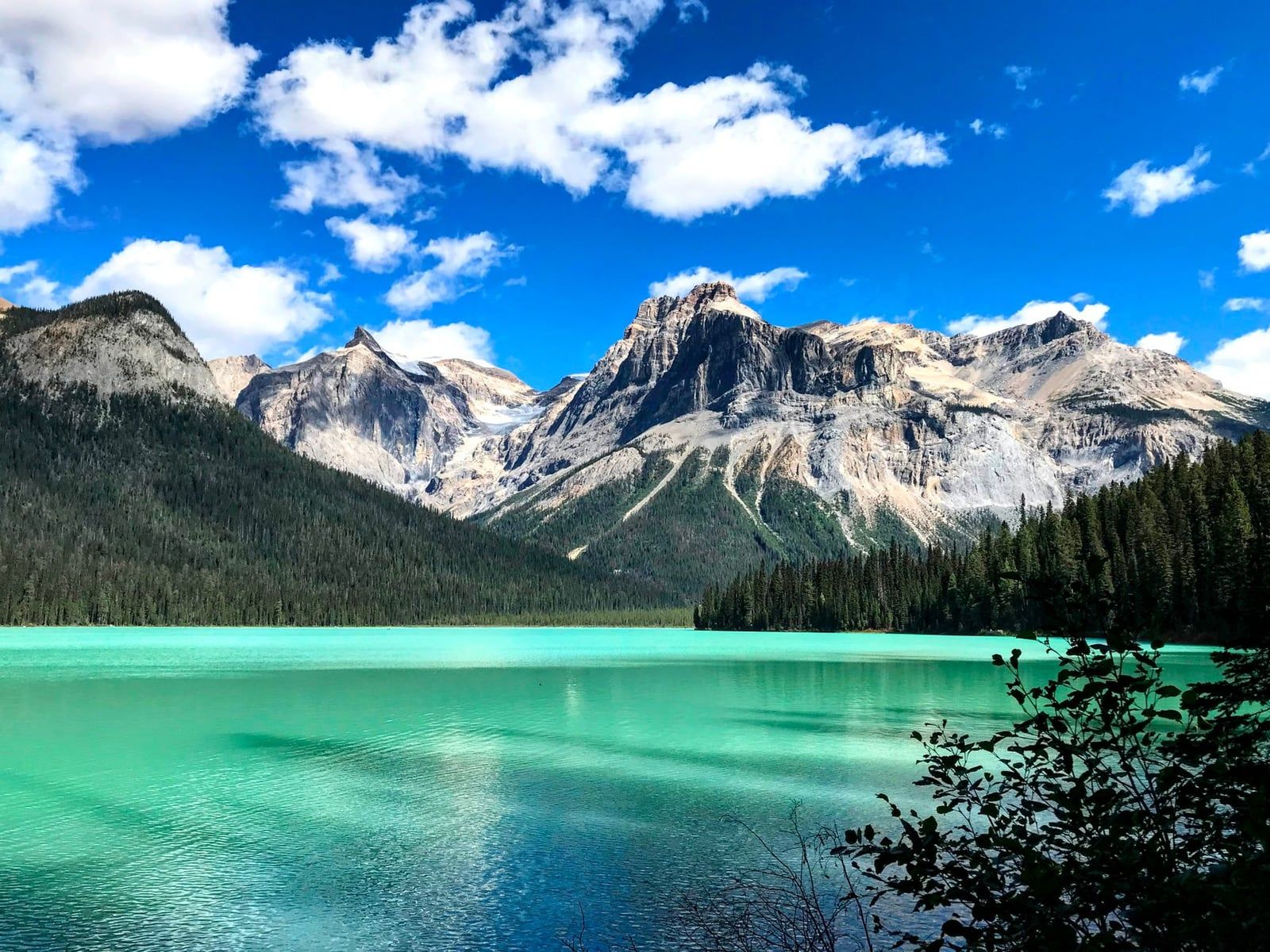
Yoho sits 30-45 minutes west of Lake Louise, over the BC border, and gets underrated. Emerald Lake's loop trail is easy, mostly flat, and about 3.2 miles around water even more saturated in color than Lake Louise, with far fewer people on the shore. Stop at the Natural Bridge on the way in, where the Kicking Horse River has carved a rock arch, and detour to Takakkaw Falls if the access road is open — one of Canada's tallest waterfalls. Grab lunch in the tiny town of Field before heading back. If you're weighing whether the Jasper extension in the callout above beats this day trip, our Banff versus Jasper comparison lays out the trade-offs.
Day 9: Kootenay National Park or a Flex Day
Kootenay, about an hour south via Highway 93, trades lakes for red rock and hot water. Marble Canyon is a short boardwalk over a slot canyon cut by Tokumm Creek, the Paint Pots are ochre-stained mineral springs a 20-minute walk from the lot, and Radium Hot Springs makes a good soak to close the day. If nine days of sightseeing has you wanting a slower pace instead, use this as the flex day: sleep in, then tackle a bucket-list hike like Plain of Six Glaciers or the larch-lined Larch Valley trail near Moraine Lake.
Day 10: Last Morning in Banff and the Drive Home
Keep the final morning easy. Soak in the Banff Upper Hot Springs, browse the Whyte Museum of the Canadian Rockies, or pick up souvenirs on Banff Avenue before the roughly 1.5-hour drive back to Calgary. Build in buffer time if flying out same-day — mountain traffic on the Trans-Canada into Calgary can back up on Sunday afternoons.
Where to Stay for a 10-Day Banff Trip
Two hubs cover this whole itinerary: Banff, or Canmore, for the first week, plus optionally one night near Lake Louise if it makes an early Moraine Lake start easier. Moving hotels every night eats hours you'd rather spend at a lake. Our where-to-stay guide goes deeper than the shortlist below.
Budget travelers do well at the HI Banff Alpine Centre or one of the Canmore hostels, both well under $100 a night for a dorm bed. Mid-range picks like the Canalta Lodge or Peaks Hotel in Banff cost more but put you within walking distance of downtown. For a splurge, the Fairmont Banff Springs delivers the castle-in-the-Rockies experience in town, while Emerald Lake Lodge in Yoho is worth a night if the Day 8 detour has room in the budget.
Canmore, about 20-25 minutes southeast of Banff townsite, runs noticeably cheaper on hotels and restaurants and makes a sensible base for Days 1, 5, and 10. Campers should look at the Tunnel Mountain campgrounds just outside Banff townsite — the cheapest way to run this trip, though you'll want a vehicle and a warm sleeping bag, since mountain nights stay cold even in July.
How Much a 10-Day Banff Trip Costs
Costs swing hard on lodging choice, but budget roughly $150-400 per person per day once flights, car rental, park fees, activities, and food are all counted, depending on whether you're camping or booking the Fairmont. Lodging and transportation are the two biggest levers; dropping from a $300-a-night hotel to a $40 hostel bed does more for the budget than skipping any single attraction.
| Cost category | Amount per person (USD) |
|---|---|
| Flights | $390 |
| Lodging | $730 |
| Transportation (car rental, gas, parking) | $255 |
| Activities | $510 |
| Food | $380 |
| Travel insurance | $80 |
That example totaled $2,345 per person including flights, lodging, a rental car, gas, parking, activities, food, and travel insurance. A couple or family sharing lodging and a car brings the per-person number down; hosteling and self-catering can push a bare-bones version well under $1,500.
Tips for Making the Most of 10 Days in Banff
A few habits separate a smooth ten days from a stressful one.
- Start sightseeing by 7-8 a.m. at Lake Louise and Moraine Lake
- Build in one unscheduled day for stops that run long
- Carry bear spray on hikes and keep it within reach
- Pack real layers and a rain shell, whatever the month
Elk, bighorn sheep, and the occasional bear show up close to trails and even townsite streets. Never approach or feed them, and give elk extra room during the fall rut, when they can turn aggressive. A private guide through private Banff tours is worth considering for travelers with mobility limits or kids who tire fast — it removes the shuttle-timing stress from Days 4, 6, and 7 entirely.
Frequently asked questions
Is 10 days enough for Banff National Park?
Yes. Ten days covers Banff town, Lake Louise, Moraine Lake, and the Icefields Parkway at a relaxed pace, with room left for Yoho and Kootenay day trips or a Jasper extension — the common 3-5 day version has to cut most of that.
Should I split my time between Banff and Jasper, or stay in Banff the whole time?
Both work. A Banff-only ten days allows deep exploration plus Yoho and Kootenay day trips; a Banff+Jasper split, roughly five nights and four nights, covers more ground including the full one-way Icefields Parkway and Jasper's Maligne Lake and wildlife circuit.
Do I need a car for a 10-day Banff itinerary?
Yes. A rental car picked up in Calgary (about 1.5 hours from Banff) gives the flexibility this itinerary needs, since the Bow Valley Parkway and Icefields Parkway both require your own vehicle. Banff townsite itself is walkable and served by the Roam transit shuttle.
How do I get to Moraine Lake now that you can't drive there?
Private vehicles have been banned from Moraine Lake Road since 2023. Book the Parks Canada Park & Ride shuttle from the Lake Louise Ski Resort, use Roam Transit, or book a commercial shuttle; reservations for the Parks Canada shuttle open mid-April and are released in batches.
How much does a 10-day Banff trip cost?
One documented 10-day Banff/Jasper trip for a group of four averaged about $2,345 USD per person including flights, lodging, car rental, gas, parking, activities, food, and insurance. Camping and hosteling can bring that well under $1,500 per person.
What is the best time of year for a 10-day Banff itinerary?
Summer, June through September, has full trail and road access but the biggest crowds and requires booking two to three months ahead. Late September brings golden larch color in the alpine with noticeably fewer people.
Do I need to book Banff attractions and hotels in advance?
Yes. Moraine Lake and Lake Louise shuttles, the Banff Gondola, the Lake Minnewanka cruise, the Columbia Icefield Adventure, and popular hotels can sell out weeks to months ahead in peak season — book as soon as your dates are set.
Can I do a 10-day Banff itinerary without doing hard hikes?
Yes. Most headline sights — the Lake Louise lakeshore, Moraine Lake's Rockpile, Icefields Parkway viewpoints, the Banff Gondola, and boat cruises — need only short, easy walks. Harder hikes like Plain of Six Glaciers or Larch Valley are optional add-ons, not requirements.