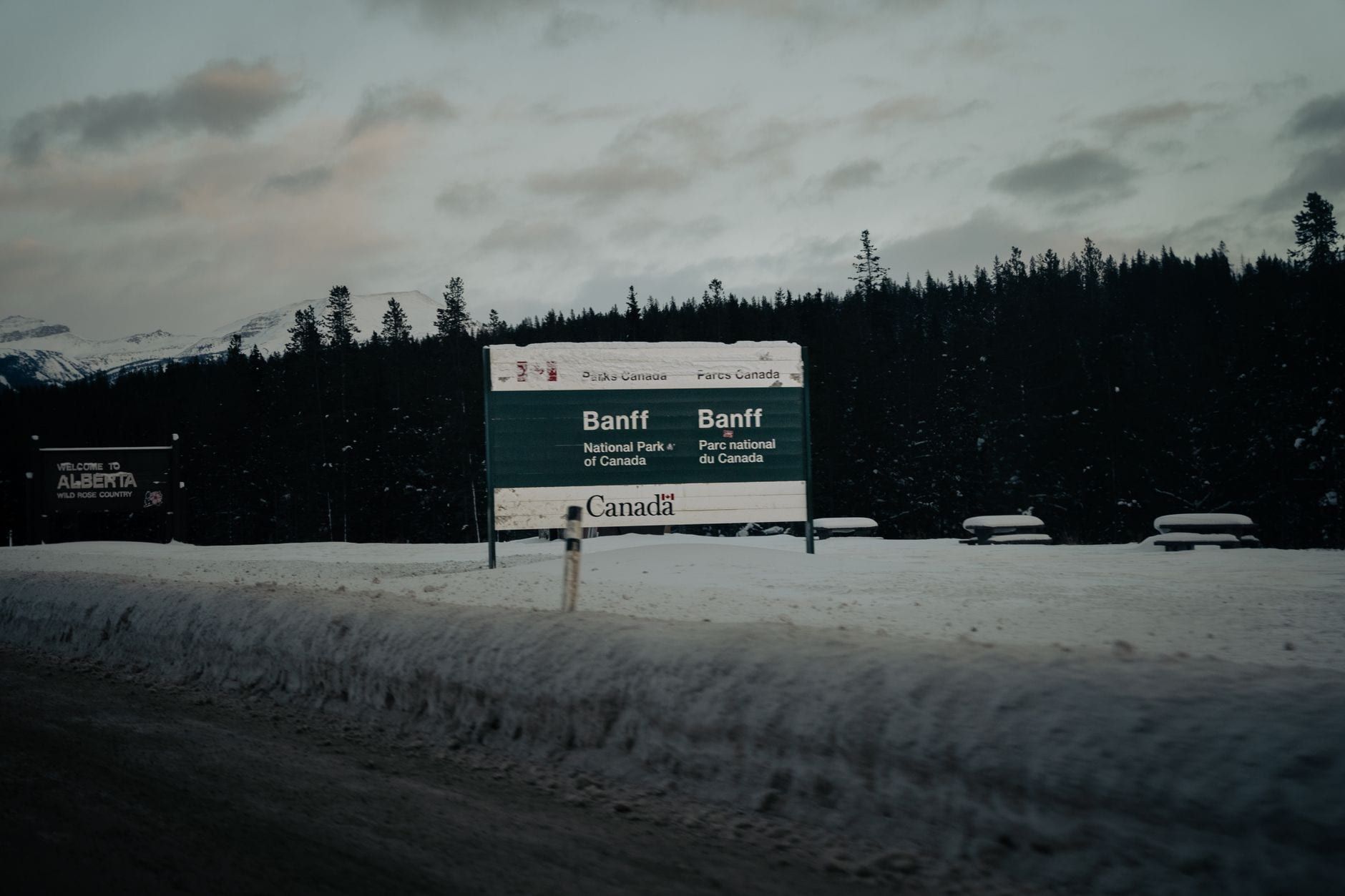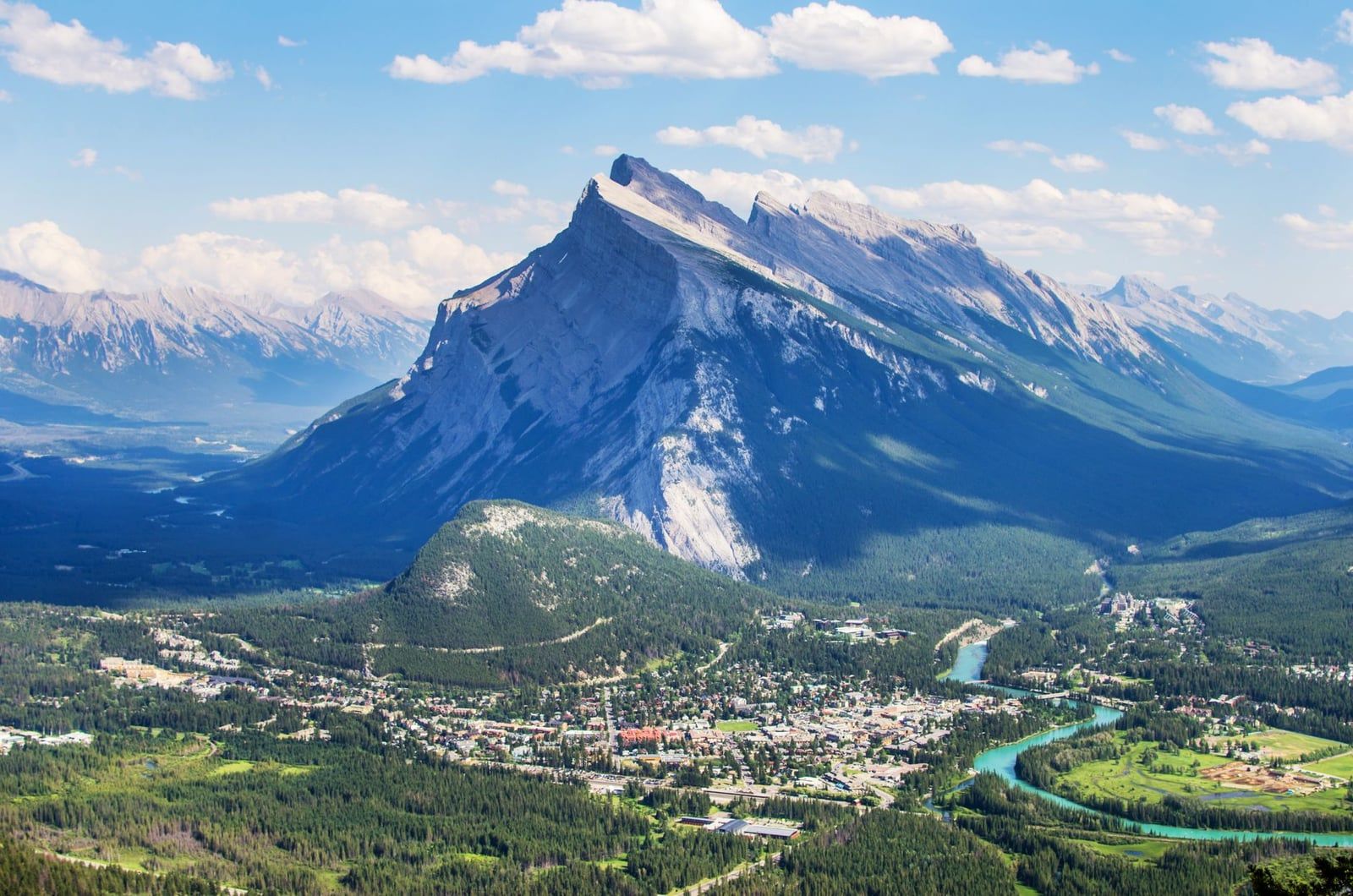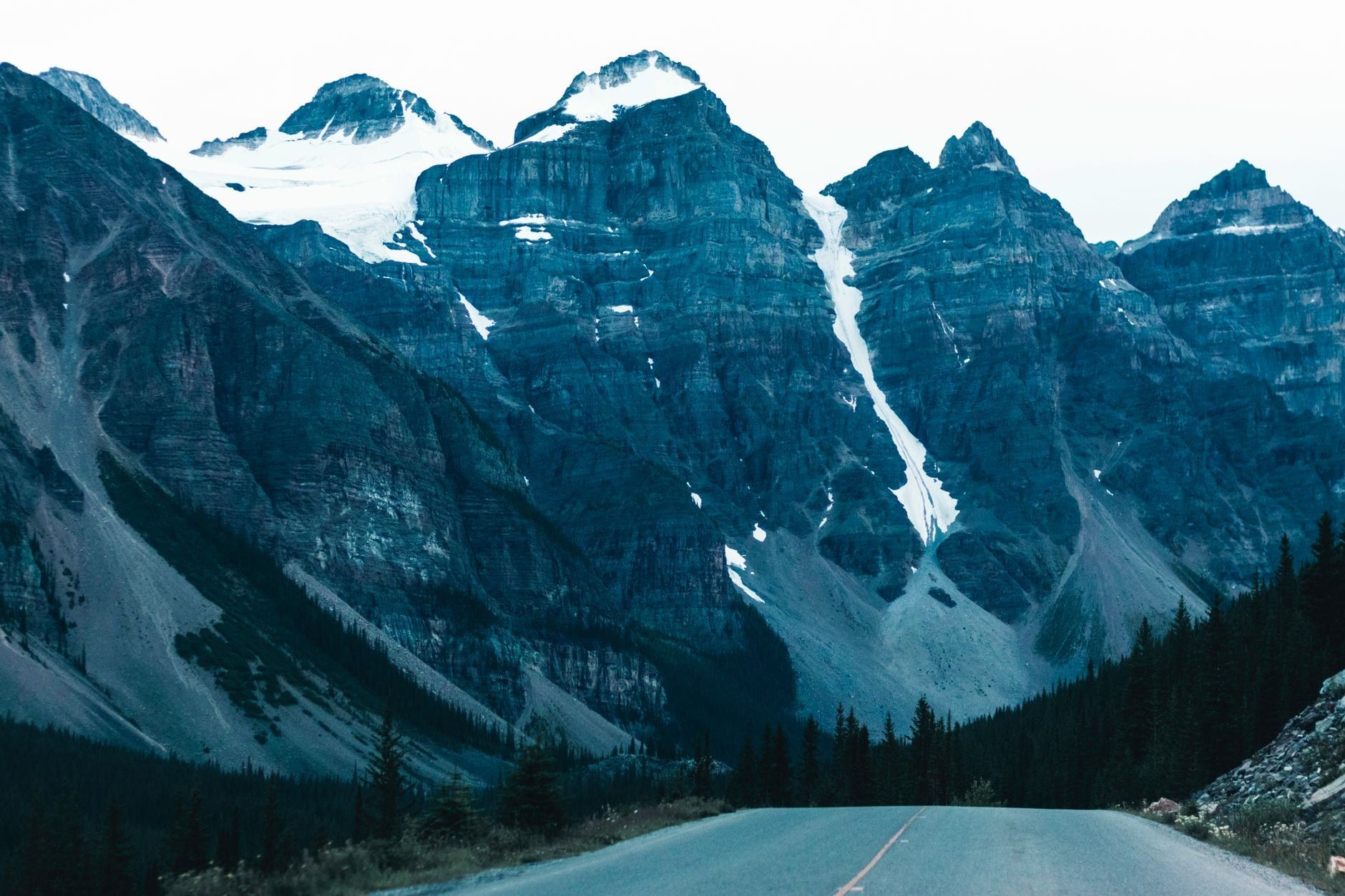
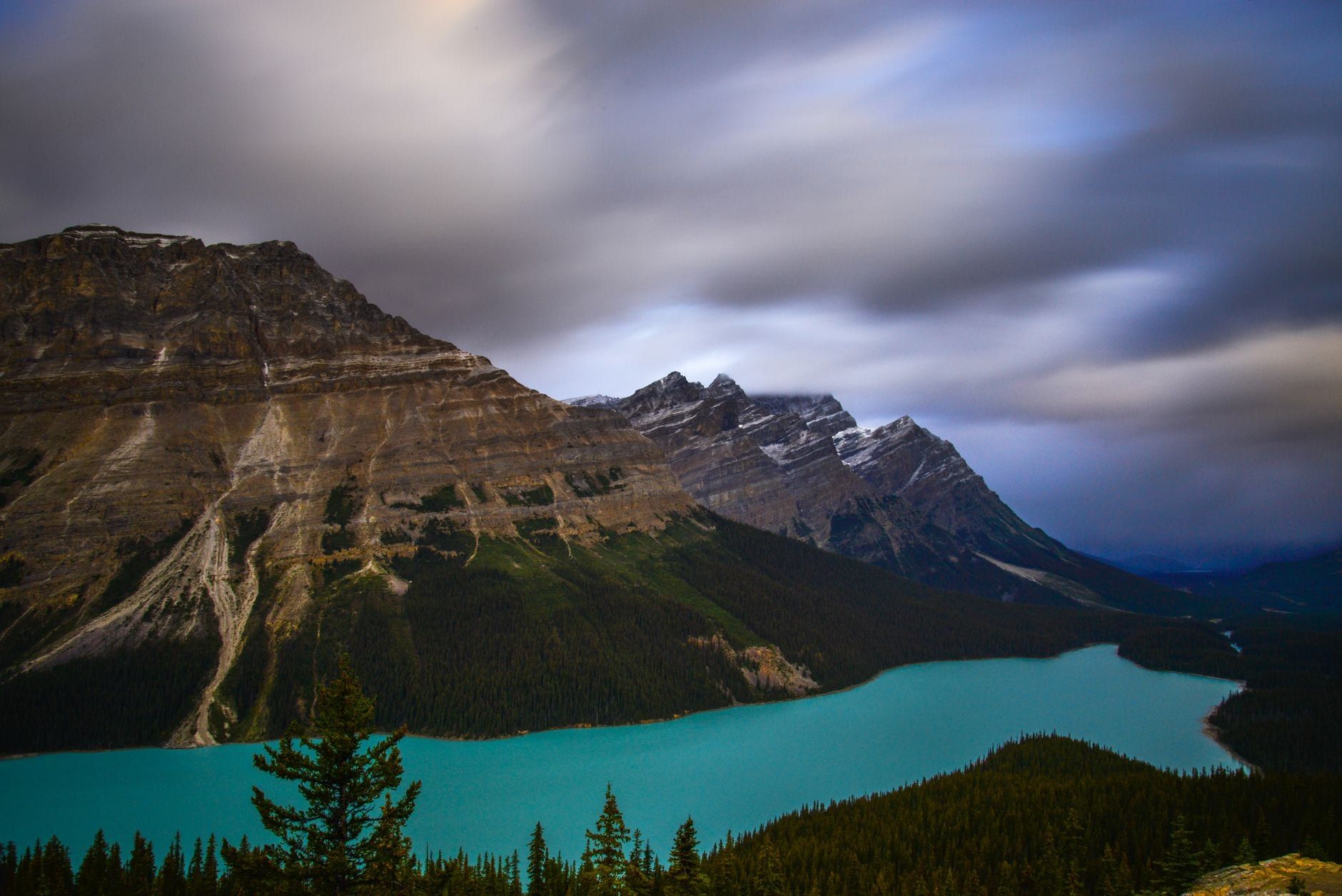
Banff sits inside Alberta's Canadian Rockies with a full-service town in the middle of the park; Glacier sits in Montana with no town at all, just a handful of historic lodges and gateway communities outside its boundaries. That one difference shapes almost everything else, cost, crowds, how far you walk from bed to trailhead, before you even get to the scenery.
Both parks protect turquoise-to-blue alpine lakes, working glaciers, and grizzly country carved by the same mountain range split across an international border. This guide compares the concrete details, fees, drive times, trail mileage, and the 2026 access rules, so you can pick the right one for your dates and budget, or plan a trip that covers both. For the full rundown on Banff itself, see our Banff National Park overview.
Banff vs Glacier National Park at a Glance
| Category | Banff National Park | Glacier National Park |
|---|---|---|
| Country / range | Alberta, Canada — Canadian Rockies | Montana, USA — Rocky Mountains |
| Size | 6,641 km² (2,564 sq mi) | ~4,100 km² (1,583 sq mi / 1,013,126 acres) |
| Entrance fee | CA$12.25/day adult; free Jun 19-Sep 7, 2026 | $35 per vehicle (7-day) |
| Signature drive | Icefields Parkway, 144 mi to Jasper | Going-to-the-Sun Road, ~50 mi |
| Trail mileage | 900+ miles (1,600 km) | 700+ miles |
| Town inside the park | Yes — Banff, population 8,865 | No in-park town |
Banff was established in 1885 as Canada's first national park; Glacier followed in 1910. Banff wins on convenience: a real town, a bigger trail network, and a scenic drive you can complete in an afternoon. Glacier wins on wildness: fewer visitor services, tougher hikes, and a road that feels carved rather than built. Neither is the wrong answer, they suit different trips.
Location, Distance & Getting There
Banff is about 130 km (roughly 90 minutes) west of Calgary International Airport (YYC) on the Trans-Canada Highway, with hourly direct shuttles from operators like the Banff Airporter and Brewster Express, plus a budget FlixBus route launched in 2024. Glacier's nearest airport is Glacier Park International (FCA) in Kalispell, Montana, about 30-45 minutes from the West Glacier entrance. Neither park is a quick add-on to a city trip; both require a dedicated flight or a long drive. Full route and shuttle details are on our getting to Banff National Park page.
Crossing between them means crossing the US-Canada border. Any American visiting Banff, or Canadian visiting Glacier, needs a valid passport (a NEXUS card works at land crossings too); document rules vary slightly by citizenship, so check current requirements before you book. The two parks sit roughly 220 to 300 miles apart depending on which entrance and border crossing you use, typically the Chief Mountain International Highway or the Piegan-Carway port of entry. Expect 4 to 8 hours of driving. That's a full day of travel, not a quick detour, so most people treat it as two separate legs of one longer journey.
Scenery & Signature Drives: Turquoise Lakes vs Going-to-the-Sun Road
Both parks build their reputation around one road and a handful of lakes, but the color palette and the driving experience differ sharply.
Banff's Turquoise Lakes and the Icefields Parkway
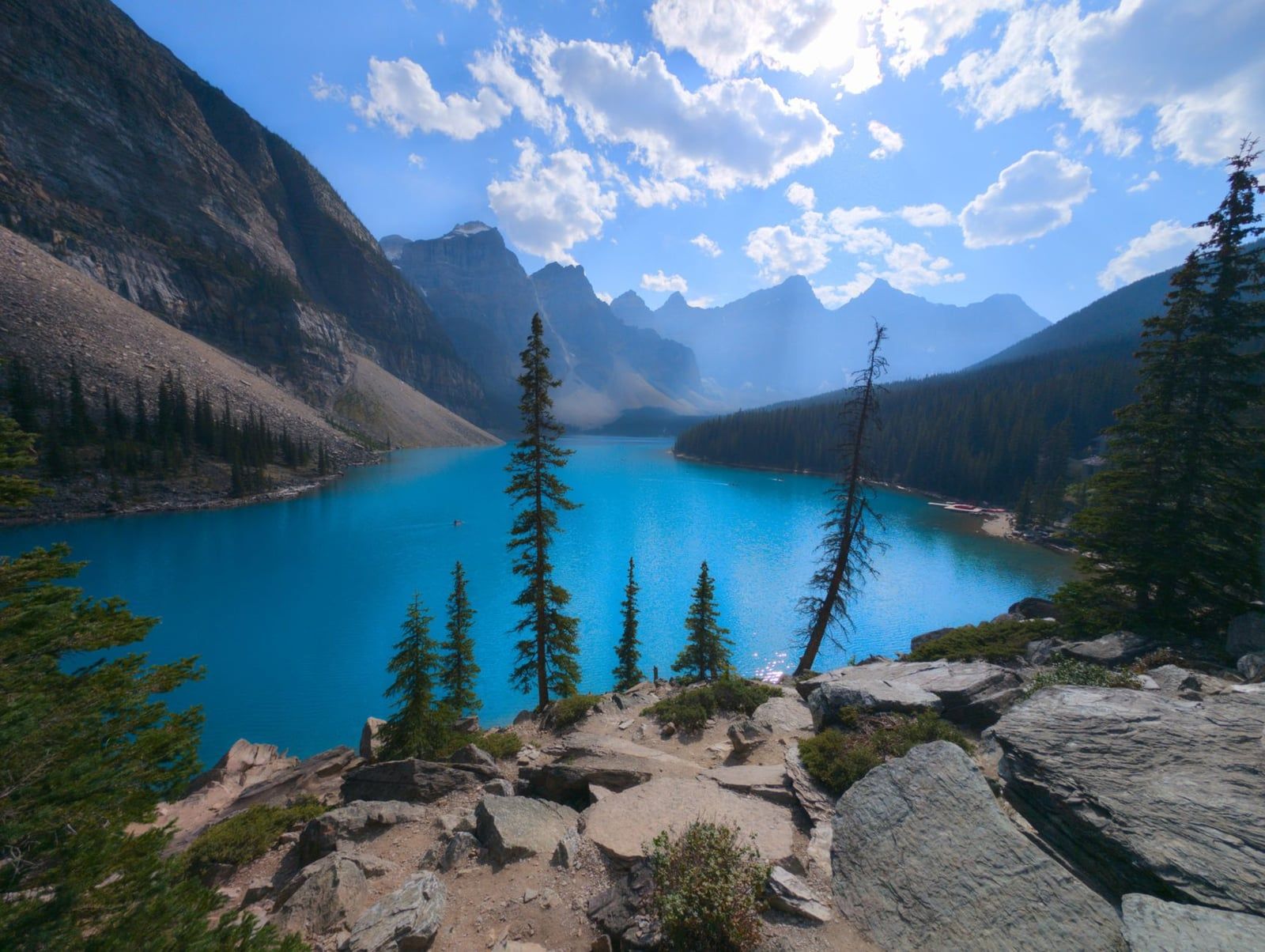
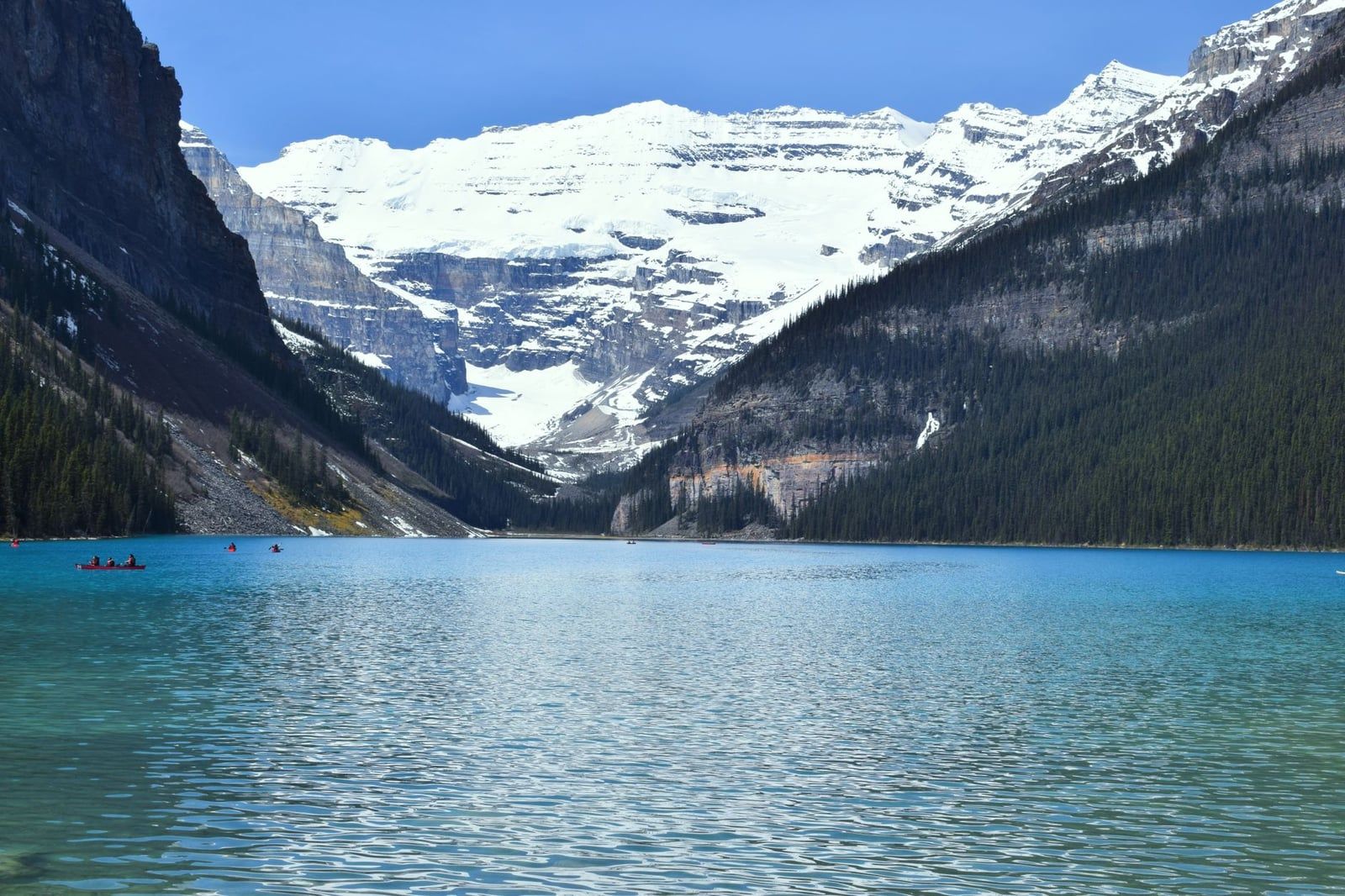
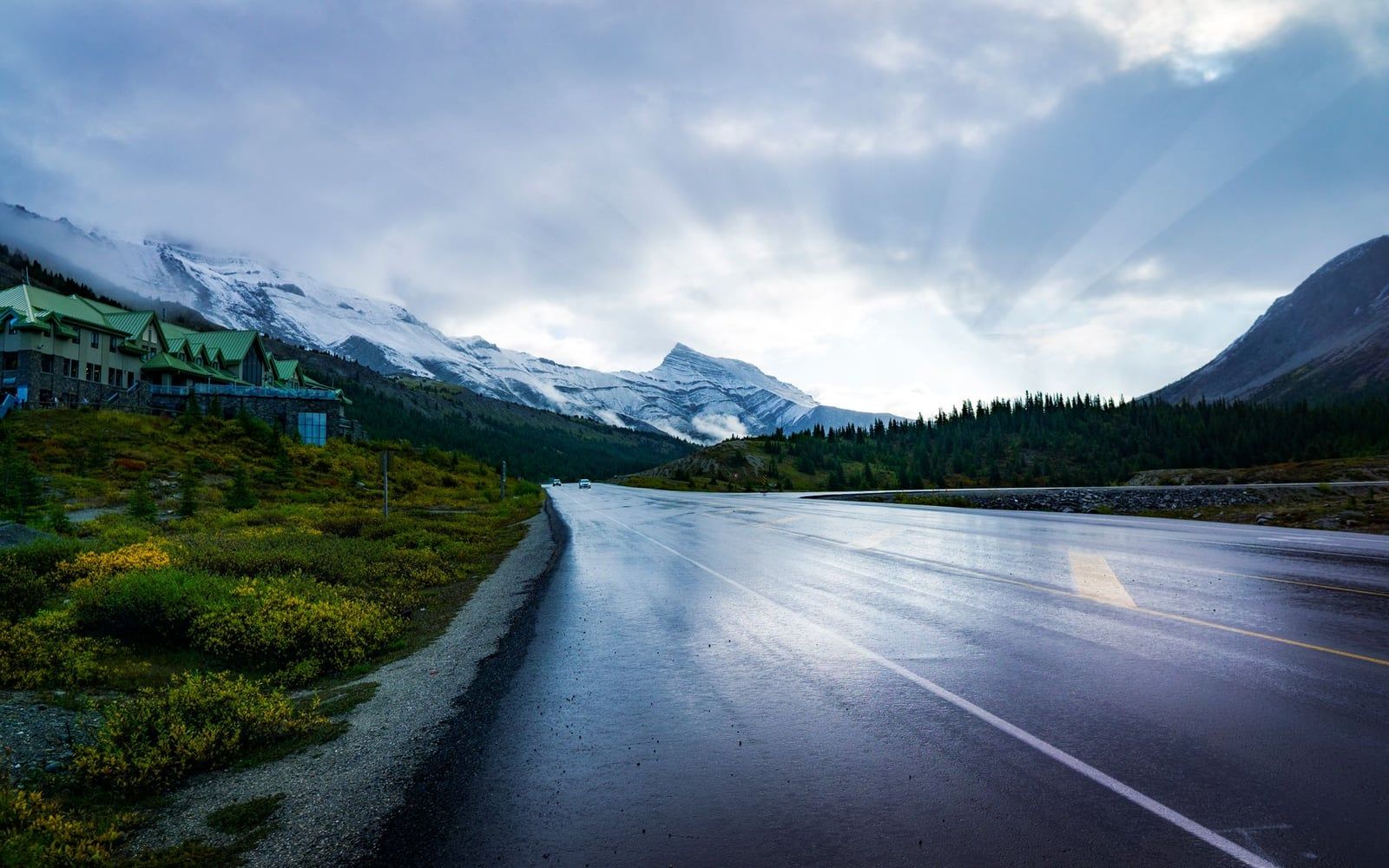
Lake Louise and Moraine Lake owe their color to glacial flour, fine rock dust suspended in meltwater that scatters light into an almost unnatural turquoise. Both sit inside easy reach of paved parking and short lakeshore paths, which is exactly why they're crowded. The Icefields Parkway (Highway 93N) runs 144 miles north from Lake Louise toward Jasper, passing Peyto Lake, Bow Lake, and the Columbia Icefield along the way. It's one of the most photographed drives in North America because the pull-offs are frequent and the views need no hiking at all.
Glacier's Going-to-the-Sun Road and Wilder Lakes
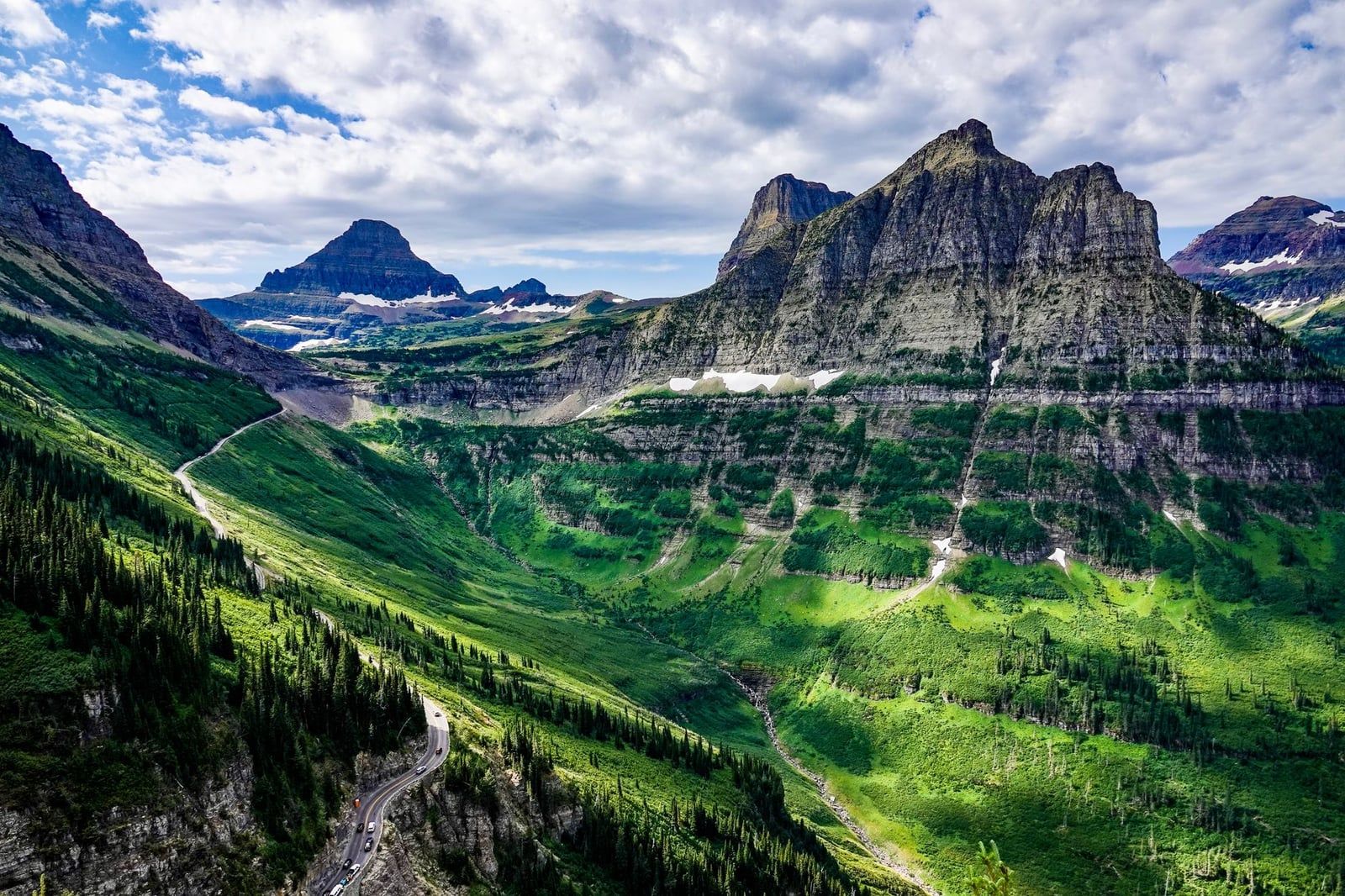
Going-to-the-Sun Road is shorter, about 50 to 52 miles, and doesn't fully open until late June or early July most years because snow lingers at Logan Pass into summer. Glacier's 130-plus named lakes read blue and blue-green rather than Banff's saturated turquoise, and the park still holds about 25 active glaciers, down from roughly 150 in 1910. The compositions feel less arranged: fewer guardrails, fewer paved viewpoints, more of the landscape left to figure out on your own terms. If you want a curated, accessible shot, Banff delivers it faster. If you want scenery that looks earned, Glacier does.
Weather works against both parks in similar ways. Each has a short high-alpine summer, roughly June through September, and can drop snow at elevation even in August. Banff's shoulder seasons run a little longer and milder; Glacier's Logan Pass is known for sudden weather swings that can close the road with little warning.
Hiking & Trails
The trail systems reflect the same personality split as the scenic drives, one broader and gentler, one shorter and harder.
Glacier: Fewer Miles, Bigger Payoff Per Step
Glacier's trail system covers 700-plus miles, and the standout routes are serious. The Highline Trail runs about 19 km along the Continental Divide with a ledge section bolted to cliff face; Grinnell Glacier Trail is roughly 17.7 km round trip to a glacier-fed lake. Avalanche Lake and Iceberg Lake are shorter but still demand real elevation gain. Mountain biking isn't allowed on most Glacier trails, so this is a hiking park, full stop.
Banff: More Trail, Wider Range of Difficulty
Banff has over 900 miles (about 1,600 km) of trail, and the range runs from stroller-flat to genuinely alpine. Plain of Six Glaciers (10.6 km, 365 m gain) ends at a backcountry teahouse serving tea and scones; Sentinel Pass and Larch Valley deliver the park's best golden-larch scenery each September; Johnston Canyon's lower section is paved and manageable for most fitness levels, while Cory Pass is a proper leg-burner. Mountain biking and horseback riding are permitted on many Banff trails, which Glacier simply doesn't offer. For a full breakdown by region and difficulty, our Banff hiking guide and guided hiking tours are the places to start planning. Hikers chasing a wilder, harder trail system should lean Glacier; anyone hiking with kids, or wanting options beyond walking, should lean Banff.
Wildlife Viewing
Both parks sit in prime grizzly country, but you'll spot animals differently depending on which one you choose.
Glacier's Backcountry Grizzlies
Glacier's Many Glacier valley is one of the more reliable spots in the Lower 48 for grizzly bear sightings, though you'll usually earn them on a trail rather than from a car window. Black bears, mountain goats, bighorn sheep, moose, wolves, and even the occasional wolverine round out the list. NPS rules require staying at least 100 yards from bears and wolves, and 25 yards from other wildlife.
Banff's Roadside Wildlife
Banff's wildlife shows up closer to the road, and sometimes closer to town than you'd expect: elk regularly graze right in Banff townsite at dawn and dusk. Grizzly and black bears, bighorn sheep, mountain goats, and wolves are all present, and sightings along the Icefields Parkway and Bow Valley Parkway are common without leaving the car. Carry bear spray on any hike regardless of which park you're in, and never approach or feed animals, elk get aggressive during the fall rut. Our wildlife tours cover the safety basics in more depth.
Crowds, Reservations & Best Time to Visit
Glacier dropped its vehicle reservation system for Going-to-the-Sun Road in 2026, but don't read that as unrestricted access: Logan Pass parking is capped at three hours from July 1 to September 7, and the Logan Pass shuttle now runs on tickets booked through Recreation.gov. Turn up without a plan in midsummer and you'll likely be turned away from the pass itself.
Banff has gone the opposite direction. Personal vehicles are banned year-round on Moraine Lake Road, so seeing that lake means booking a Parks Canada shuttle, riding Roam Transit, or using a licensed operator. Lake Louise's own parking lot fills within an hour of sunrise in peak summer. Check current Banff hours and fees before you go, since the schedule shifts seasonally. The headline news for 2026: all admission to Banff is free from June 19 through September 7 under the Canada Strong Pass, though camping, parking, and shuttle fees still apply.
Peak season in both parks is July and August, with the heaviest traffic and the fullest parking lots. Glacier gets noticeably quieter, and gold larches show up on nearby slopes, through September. Banff's version of that is late September into early October, when Larch Valley turns gold and crowds thin from their summer peak. Banff also stays genuinely busy outside summer thanks to ski season (November-May), while Glacier largely shuts down road access from October to June.
Cost & Budget Comparison
| Item | Banff | Glacier |
|---|---|---|
| Daily/entry fee | CA$12.25/day adult (free Jun 19-Sep 7, 2026) | $35 per vehicle, valid 7 days |
| Annual pass | Parks Canada Discovery Pass, C$83.50 | America the Beautiful pass, $80 |
| Avg. daily traveler spend* | ~$105 per person | ~$148 per person |
| In-park lodging style | Hostels to the Fairmont Banff Springs | Historic lodges (Many Glacier, Lake McDonald), limited rooms |
*Aggregated traveler spending data; actual costs swing heavily with lodging choice and season. Youth 17 and under always enter Banff free. Glacier's day-to-day entry fee is the pricier of the two most of the year, but Banff's free summer window flips that math for anyone visiting between June 19 and September 7, 2026, camping, parking, and shuttle fees still apply on top. Outside that window, budget travelers generally find Glacier's gateway towns (Whitefish, Columbia Falls) cheaper for food and beds than Banff's resort-town prices, while Many Glacier Hotel itself is no bargain and books out more than a year ahead.
Where to Stay & Eat: Resort Town vs Wilderness Lodges
This is where the two parks feel most different day to day, one built around a town, one built around a handful of remote lodges.
Banff Townsite
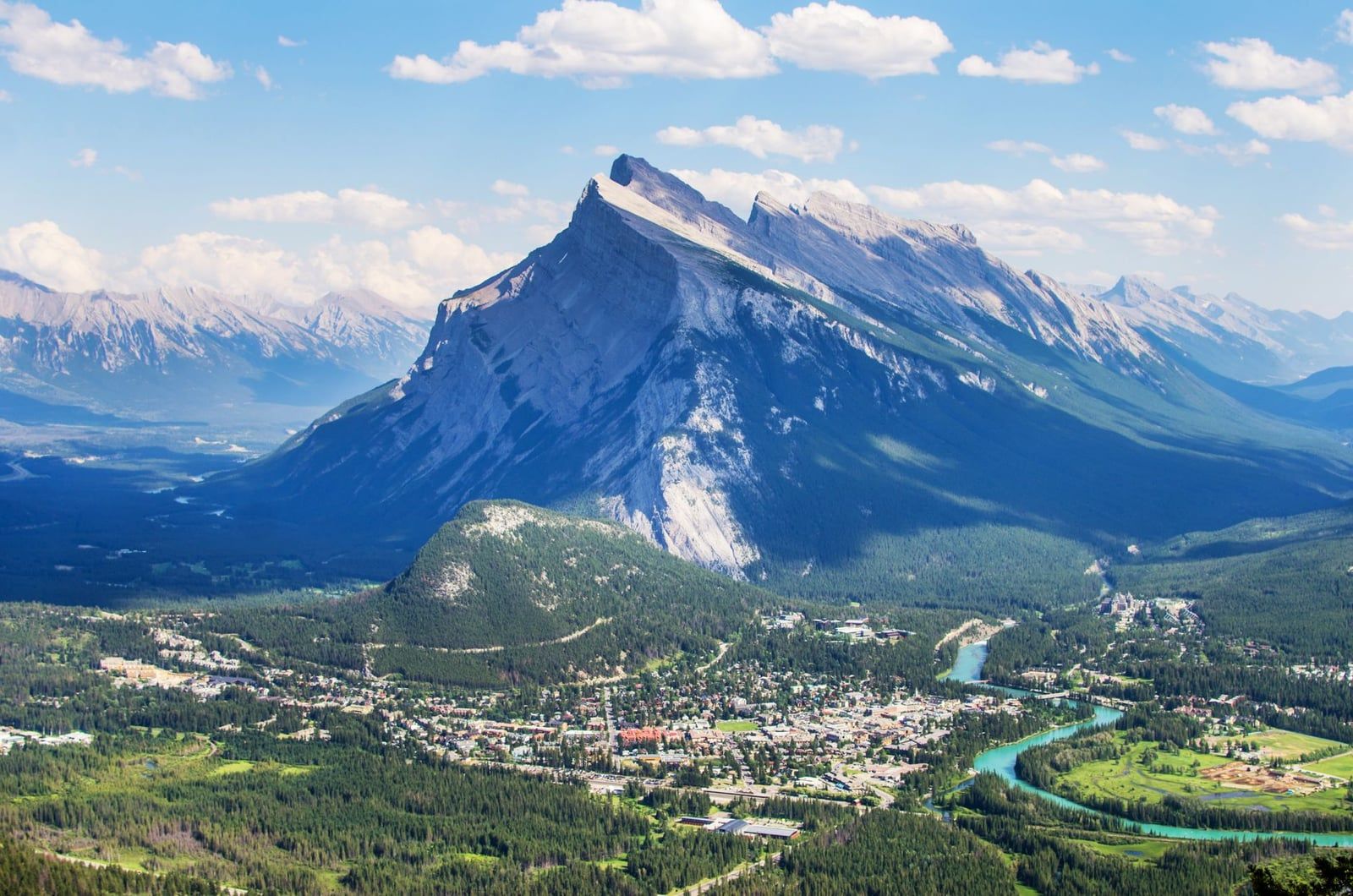
Banff's townsite, population 8,865, packs hostels, mid-range hotels, and the Fairmont Banff Springs into a walkable grid along the Bow River, with restaurants, breweries, and shops open late. You can eat well here without a car and without booking a year out, though July and August rates climb fast. See our where-to-stay guide for neighborhood-by-neighborhood picks.
Glacier's Lodges and Gateway Towns
Glacier has no equivalent inside its boundary. Historic in-park lodges, Many Glacier Hotel, Lake McDonald Lodge, Glacier Park Lodge, book out well over a year ahead and offer limited, rustic dining. For more choice and better value, most visitors base in Whitefish, Kalispell, or Columbia Falls, all 25-30 miles from the park entrances, which means a drive every single day rather than a walk. That's the trade-off: Glacier's nights feel remote and quiet; Banff's feel social and convenient. Pick the one that matches how you want to spend your evenings, not just your days.
Which Park Fits Your Trip? A Decision Guide by Traveler Type
Match the park to how you actually want to travel, not just to which photos look better online.
- Families and first-timers: Banff, the gondola, hot springs, easy lakeshore walks, and a real town beat a long backcountry drive.
- Couples and honeymooners: Banff for lodges and fine dining; Glacier for a more rugged, remote romantic backdrop.
- Serious hikers and backcountry seekers: Glacier, rougher trails, less development, bigger payoff per mile.
- Winter travelers and skiers: Banff, decisively, three resorts running November to May, versus none in Glacier.
- Budget and backpacker travelers: Glacier most of the year, or Banff specifically during its free summer 2026 window.
- Photographers: Banff for accessible, iconic turquoise-lake shots; Glacier for wilder, less arranged compositions.
For a winter-specific trip, our Banff in winter guide covers ski season logistics Glacier simply can't match.
Can You Visit Both? Combining Banff and Glacier in One Trip
Plenty of travelers do both in a single 10-14 day road trip, splitting roughly 4-5 nights in Glacier and 4-5-plus nights in Banff (or the reverse). An open-jaw flight, into Kalispell (FCA) and out of Calgary (YYC), or vice versa, avoids backtracking over the same roads twice.
The drive between them crosses the border at Chief Mountain International Highway or the Piegan-Carway port of entry, so check rental car cross-border policies and bear spray transport rules in advance, some canisters aren't allowed across by air or by certain rental agreements. Book lodging at least six months ahead for a July visit; Many Glacier Hotel and Banff's Fairmont routinely sell out further out than that.
FAQ
Do I need a passport to visit both Banff and Glacier National Park?
Yes. Crossing the US-Canada border requires a valid passport, or a NEXUS card at land crossings. Document rules can vary slightly by citizenship, so confirm current requirements before you travel.
Which is cheaper, Banff or Glacier National Park?
Glacier's $35 seven-day vehicle fee usually costs more per day than Banff's CA$12.25 daily pass, but Banff is completely free to enter from June 19 to September 7, 2026. Lodging and dining inside Banff's townsite generally run higher than Glacier's gateway towns, though Glacier's in-park lodges are pricey too and book out over a year ahead.
Which park has better hiking, Banff or Glacier?
Glacier is the more serious hiking destination, with 700-plus miles of rugged alpine trail like the Highline Trail and Grinnell Glacier. Banff has more total mileage (900-plus miles) and an easier range of difficulty, plus biking and horseback riding, which suits casual hikers and families better.
How far apart are Banff and Glacier National Park?
Roughly 220 to 300 miles apart depending on route and entrance points, about 4 to 8 hours by car including a border crossing at Chief Mountain or Piegan-Carway.
Can you visit both parks in one trip?
Yes. A common approach is a 10-14 day road trip split roughly 4-5 nights per park, using an open-jaw flight into Kalispell and out of Calgary (or the reverse) to avoid backtracking.
Which park is better for wildlife viewing?
Both deliver. Glacier's Many Glacier valley is especially reliable for grizzly sightings on the trail, while Banff offers easier roadside viewing, including elk right in the townsite and wildlife along the Icefields Parkway.
Which park is better for skiing or a winter trip?
Banff, without question. It runs three ski resorts, Sunshine Village, Lake Louise, and Mount Norquay, with a season from November to May. Glacier has no downhill skiing and largely shuts down access from October to June.